







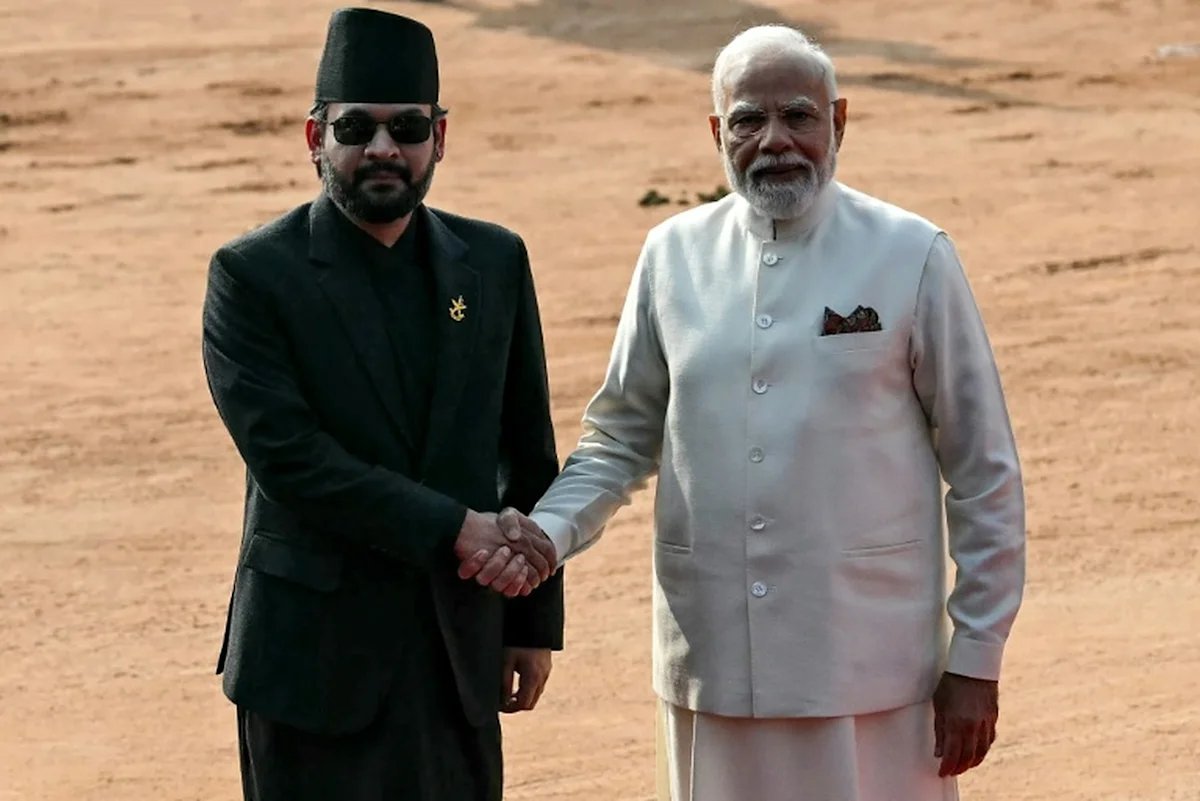
A New Era of Diplomacy: Nepal’s PM Balendra Shah Meets Narendra Modi in New Delhi
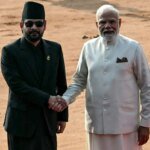
New Delhi – In a high-stakes diplomatic engagement, Nepal’s Prime Minister Balendra Shah arrived in the Indian capital this week, marking his first state visit to a neighboring country since ascending to power earlier this year. The 36-year-old leader, whose rise to the premiership followed a wave of youth-driven anti-corruption movements, was received with a formal red-carpet welcome at the presidential palace on Monday.
A Symbolic Meeting of Two Generations
The visual contrast between the two leaders captured the attention of observers: Shah, often known for his unconventional style as a former rapper and his signature sunglasses, stood in stark contrast to the seasoned Indian Prime Minister, Narendra Modi. Despite their differences in age and political background, the encounter underscored a shared commitment to stabilizing the bilateral relationship between the two Himalayan neighbors.
Shah’s arrival in New Delhi follows an initial meeting on Sunday with India’s External Affairs Minister, Subrahmanyam Jaishankar. Discussions during these sessions have centered on the core pillars of the India-Nepal partnership: energy cooperation, transit security, and expanding trade commerce.
Strategic Economic Ties
For Nepal, a landlocked nation of 30 million, maintaining a balanced foreign policy between its two massive neighbors—India and China—remains an existential priority. Economic data highlights the depth of the current relationship; India serves as Nepal’s primary economic anchor, accounting for roughly 60 percent of the country’s imports, valued at approximately $8.6 billion. In comparison, China accounts for a significantly smaller share of 13 percent, or $1.8 billion.
By prioritizing India for his first bilateral neighborly visit, Prime Minister Shah has signaled a strategic intent to bolster these established economic links, particularly as Nepal seeks to modernize its energy sector and infrastructure.
The Weight of National Recovery
The backdrop for this visit is particularly somber. While Shah previously represented Nepal on the international stage at the United Nations General Assembly in New York this past September, this visit to New Delhi carries the specific burden of national recovery.
Earlier this year, Nepal faced an unprecedented climate catastrophe. A catastrophic glacial collapse triggered massive, tsunami-like floods that claimed over 1,400 lives, with an additional 5,000 people remaining unaccounted for. The devastation has left the largely rural nation reeling, with reconstruction efforts estimated to cost a staggering $4.78 billion.
Despite being a minimal contributor to global greenhouse gas emissions, Nepal is bearing the brunt of environmental instability. Observers suggest that while economic and energy trade dominate the agenda, the humanitarian and reconstruction crisis is likely to feature prominently in the closed-door talks.
As the two delegations continue their deliberations, the focus remains on whether this new leadership in Kathmandu can successfully leverage its relationship with New Delhi to secure the support necessary to rebuild in the wake of tragedy, while balancing the delicate geopolitical realities of the Himalayan region. India’s Foreign Ministry has expressed optimism, stating that the visit presents a critical opportunity to “further strengthen” the long-standing bonds of friendship and development between the two nations.
Disclaimer: This content is auto-generated for informational purposes only.
Source: Read Original News