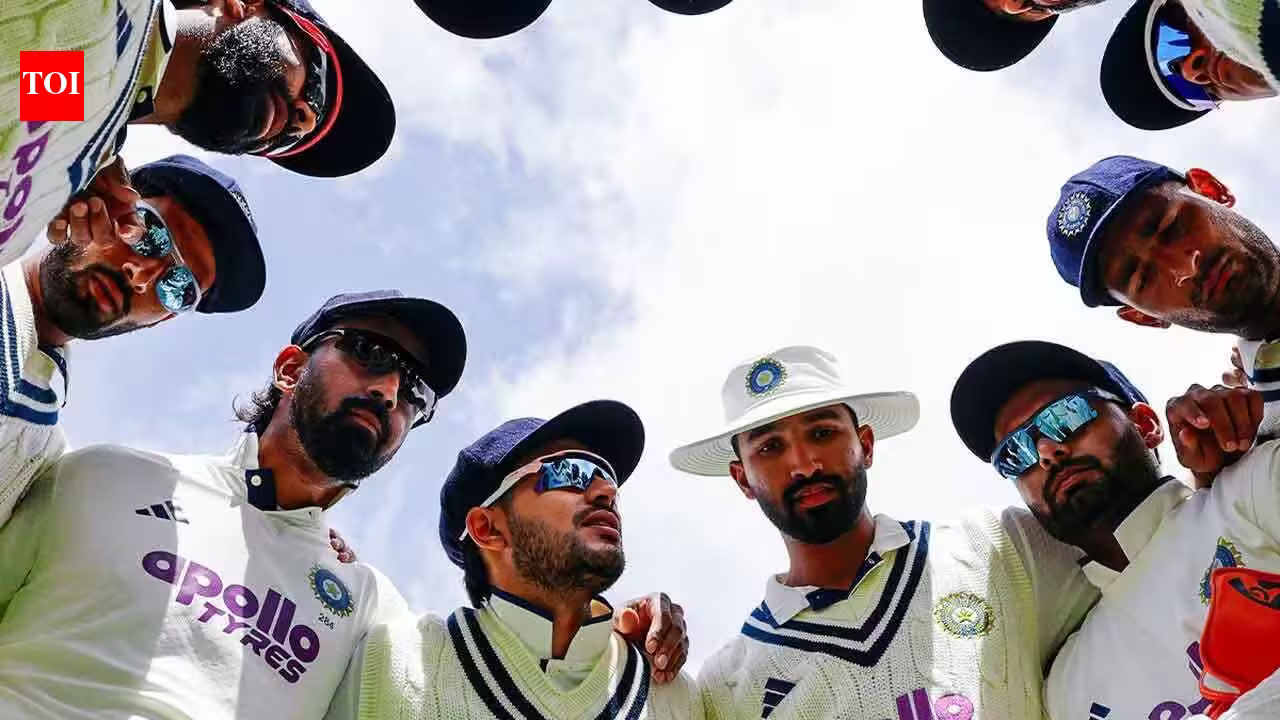








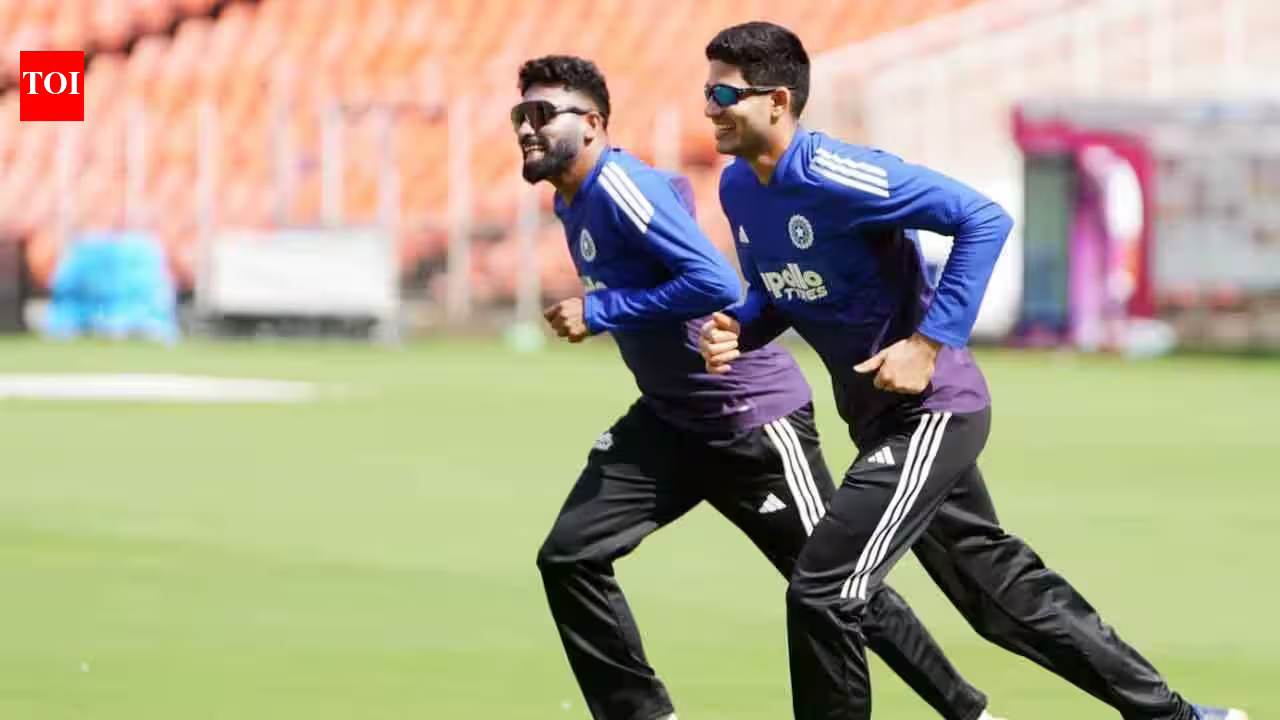
Wellington witnessed a gripping conclusion to the opening Test between India and New Zealand, but the post-match discourse was dominated by the strategic personnel decisions that preceded the contest. Captain Shubman Gill faced the media with transparency, addressing the controversial omission of seasoned pacer Mohammed Siraj from the playing XI at the Basin Reserve—a call that drew significant scrutiny following New Zealand’s gritty second-innings resistance.
A Difficult Call in the Name of Form
Mohammed Siraj has been a cornerstone of India’s pace attack throughout the current World Test Championship (WTC) cycle, boasting an impressive tally of 43 wickets in 11 matches. To leave such a proven performer on the sidelines was a decision that raised eyebrows across the cricketing fraternity. However, Gill was quick to emphasize that the selection process was anchored purely in the assessment of current form rather than historical reputation.
“Siraj is a really good friend, and dropping him was a really tough call,” Gill admitted following the conclusion of the draw. “We have played a lot together, and I have known him since our early days. I had a chat with him before the Test to explain the decision, and to his credit, he understood the situation.”
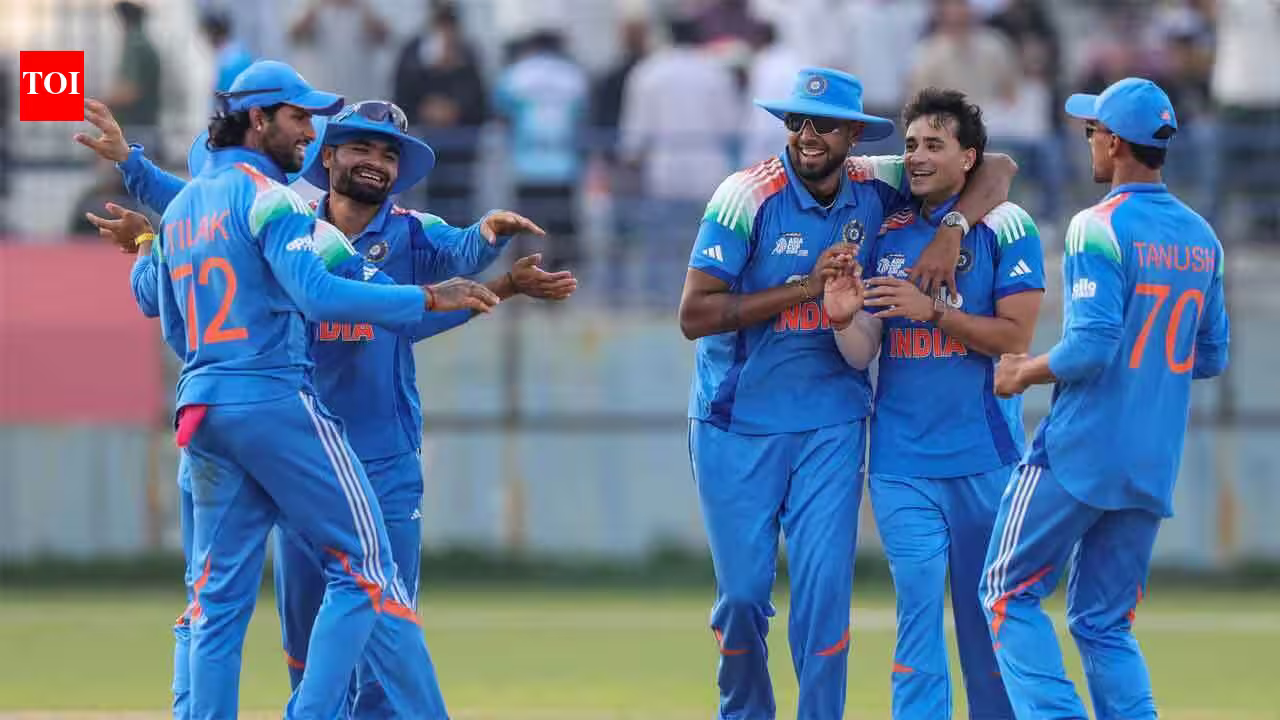
Gill’s rationale touched on the ebbs and flows that every elite athlete faces over the course of a long career. “Every player will see a phase where they are not at their peak, and we picked this side based on current form,” he added, acknowledging that while Siraj had shown glimpses of his talent in the preceding ODI series, the team management felt that the specific requirements of this Test match demanded a different tactical approach.
Redefining the Pace Attack
In place of Siraj and veteran spinner Ravindra Jadeja, the team management opted for a bold, pace-heavy configuration. The selected XI featured a four-pronged fast-bowling attack comprising Jasprit Bumrah, Akash Deep, Prasidh Krishna, and Anshul Kamboj, with Washington Sundar serving as the lone specialist spinner.
The decision to omit Jadeja—a player whose control and batting utility are often considered essential in overseas conditions—further fueled the debate. Critics suggested that the lack of Jadeja’s metronomic accuracy and Siraj’s experience might have been the deciding factor in India’s inability to force a result on a pitch that demanded relentless pressure. When pushed on whether the inclusion of such established stalwarts could have tilted the scales in India’s favor, Gill remained firm. “Could Jadeja and Siraj’s accuracy have made the difference? I don’t think so,” the captain asserted, displaying total confidence in the collective unit chosen to represent the country.
New Zealand’s Stoic Resistance
The debate regarding team selection became more pointed as the final day of the Test unfolded. Having declared their first innings at a staggering 702/9, India entered the final day as clear favorites to wrap up the game after bowling out the Kiwis for 368 in their first attempt.
New Zealand, resuming at 119/2, faced a mountain to climb, still trailing by 233 runs. India enjoyed early success, with Washington Sundar and Prasidh Krishna making vital inroads by dismissing overnight batters Devon Conway (65) and Rachin Ravindra (37). When Anshul Kamboj sent Tom Blundell packing, the floodgates appeared ready to burst open. However, the anticipated collapse never materialized.
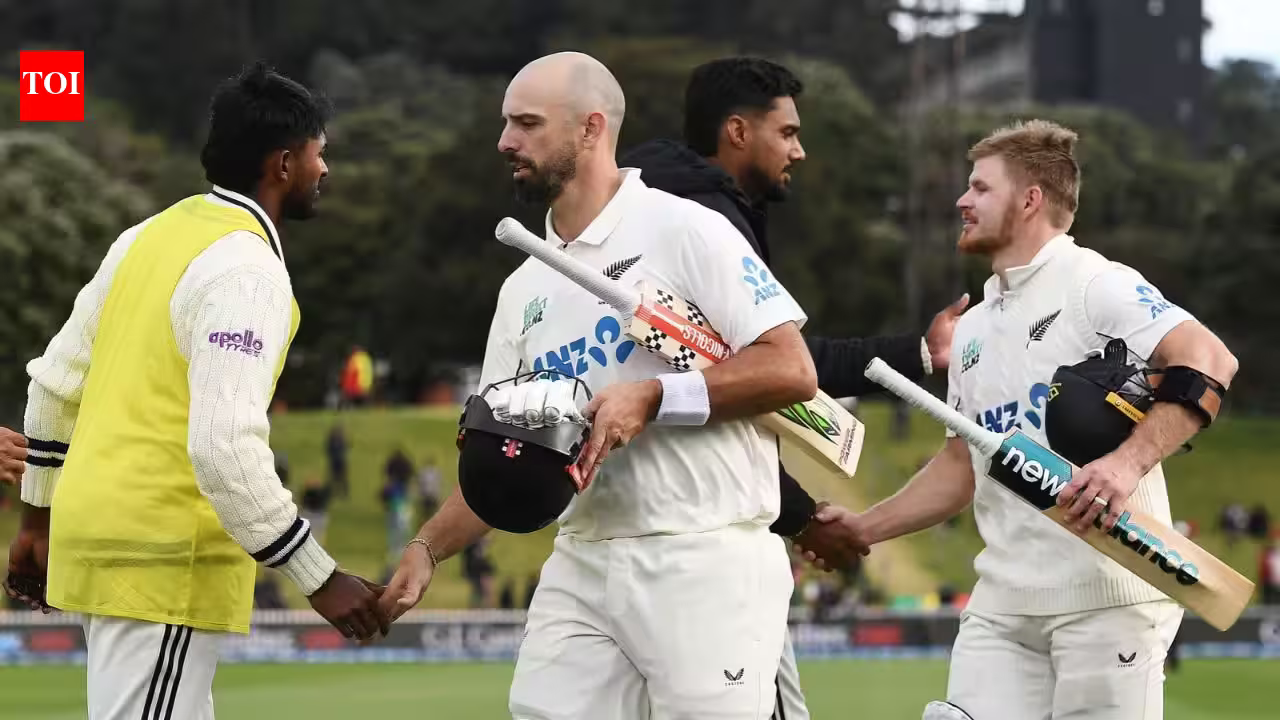
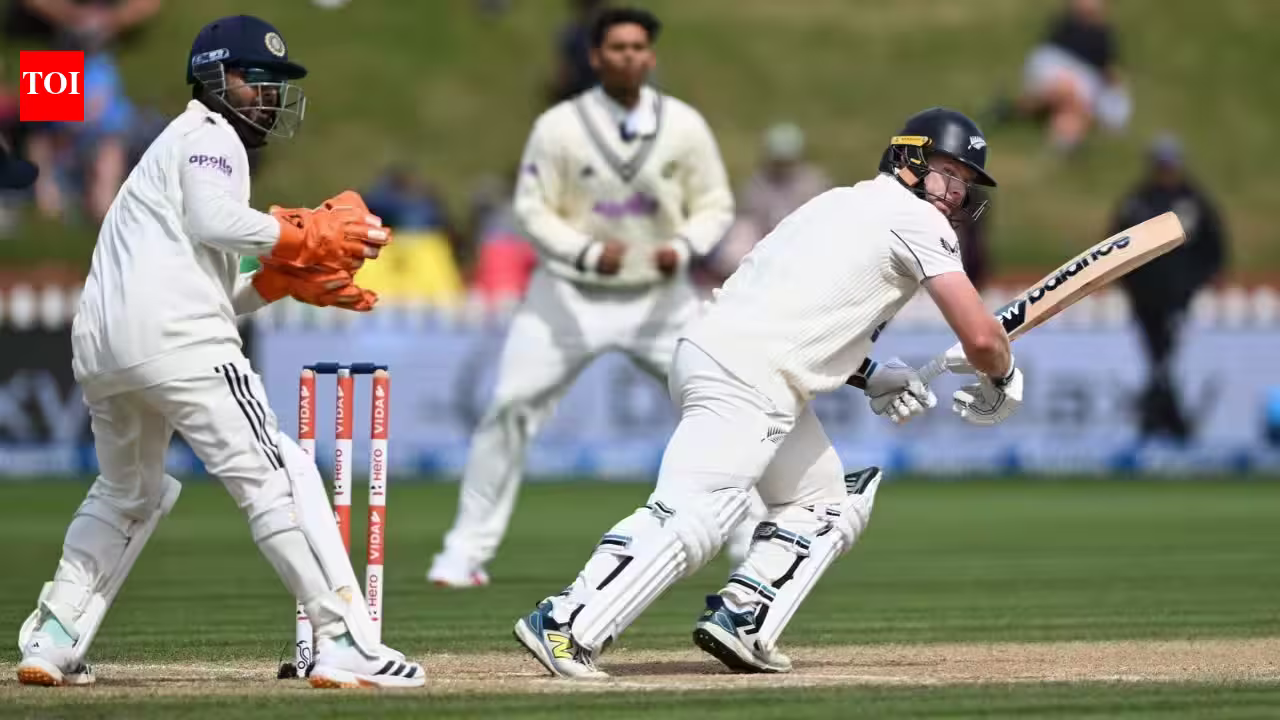
The turning point arguably came in the form of a missed run-out opportunity by Akash Deep, which handed a reprieve to Daryl Mitchell. The New Zealand batter seized the lifeline with both hands, crafting a defiant, unbeaten 49 off 186 deliveries. He was ably supported by Glenn Phillips, whose composure—fresh off a spectacular first-innings century—proved insurmountable for the Indian bowlers. Phillips remained unbeaten on 26 off 126 balls, with the duo successfully blocking out 259 deliveries to deny India the victory.
Looking Ahead
The draw leaves both sides with plenty to contemplate as they head into the next phase of the series. For India, the match served as a trial by fire for the younger members of their pace battery. While the bowlers showed flashes of brilliance, the inability to break the partnership between Mitchell and Phillips will undoubtedly be a point of analysis in the coming team meetings.
Gill remains optimistic, viewing the performance not as a failure of team selection, but as a learning curve for a group navigating the rigors of international cricket. The captain’s willingness to hold difficult conversations—whether it be with Siraj regarding his omission or with the media regarding the match result—reflects a leadership style that is as grounded as it is ambitious. As India looks to sharpen their attack for the remainder of the series, the balance between rewarding form and leaning on experience will remain the defining subplot of the tour. For now, the focus shifts to the next venue, where the Indian squad will look to translate their dominant first-innings display into a decisive series lead.
Disclaimer: This content is auto-generated for informational purposes only.
Source: Read Original News