







India Seeks Legal Resolution as UK Raises Concerns Over Scotch Whisky Tariffs
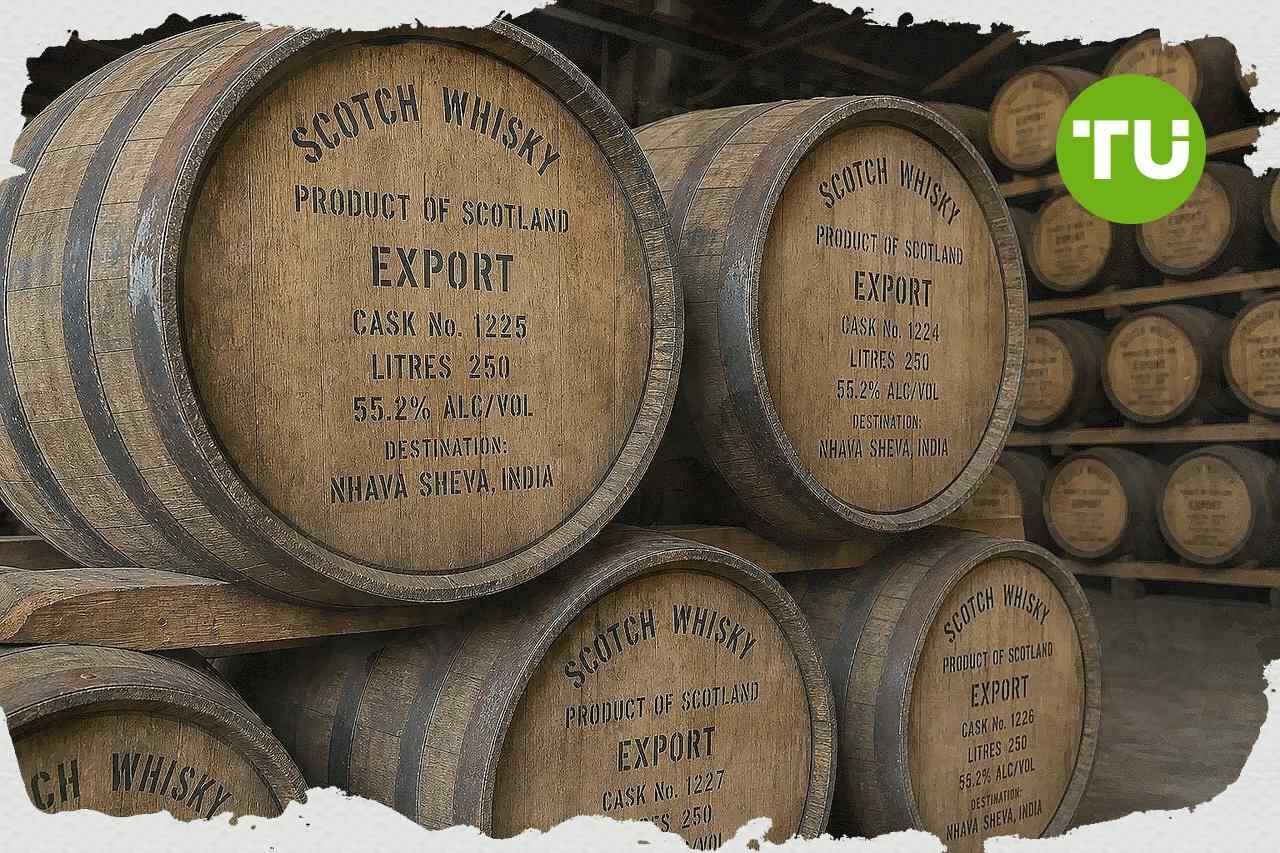
NEW DELHI – The Indian government is currently navigating a complex trade dispute with the United Kingdom regarding the taxation of bulk Scotch whisky imports. As negotiations surrounding the bilateral trade pact intensify, officials in New Delhi are scrambling to reconcile existing domestic court rulings with the commitments made under the recently signed agreement.
Indian Commerce Secretary Rajesh Agrawal confirmed on Monday that the UK government has formally raised concerns regarding the high duties currently applied to bulk spirit imports. While the trade agreement, which entered into force this past July, officially slashed tariffs on Scotch whisky to 75%, a regulatory impasse has led to an effective duty of 162.5% on bulk consignments, creating significant friction between the two nations.
The Core of the Dispute: Classification Conflicts
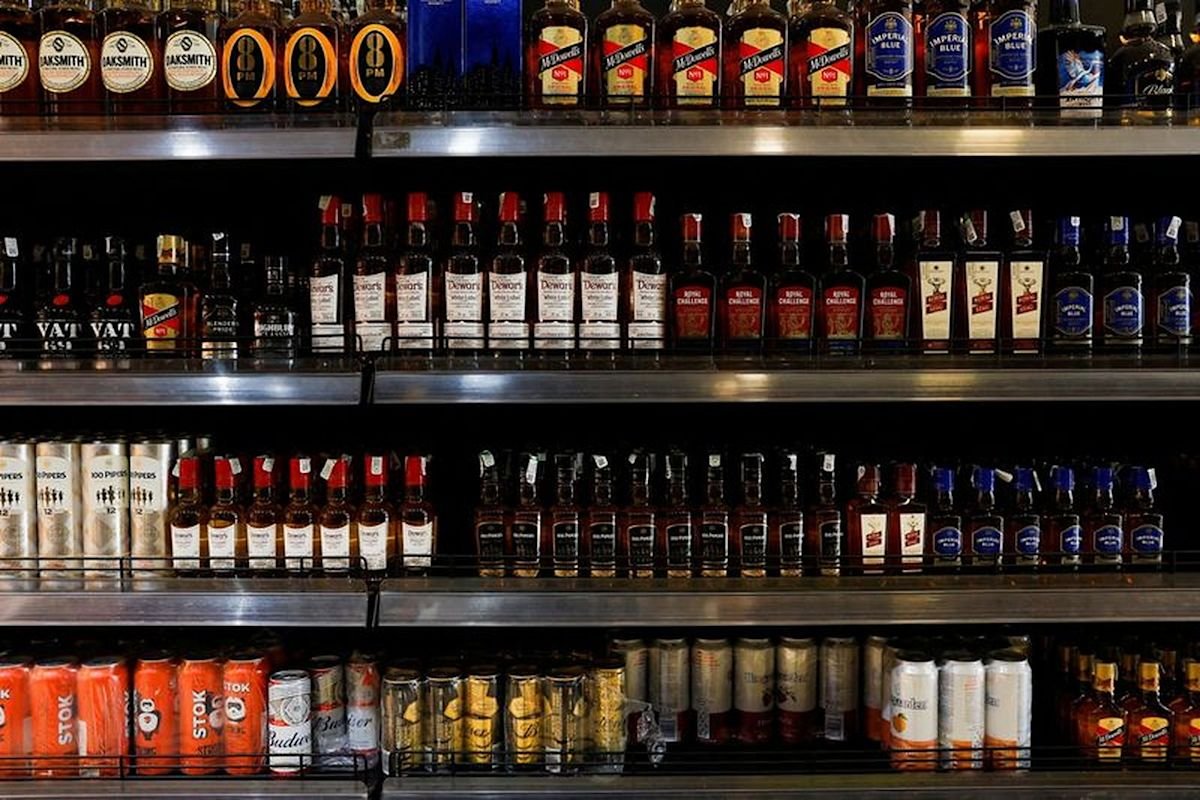
The disagreement centers on how bulk Scotch concentrates—the essential raw materials for popular blended whiskies in India’s $65 billion liquor market—are classified for customs purposes. While international spirit giants like Diageo, Pernod Ricard, and Bacardi expected to benefit from the reduced 75% tariff rate, Indian investigators have contended that these imports do not strictly qualify for the lower tax bracket.
According to government officials, the confusion stems from varying interpretations of customs classifications, further complicated by a series of domestic court cases that were not fully accounted for by trade negotiators during the deal-making process. The mismatch between the spirit of the international trade agreement and specific judicial precedents has created a procedural bottleneck at Indian ports.
Government Commitment and Market Stability
Addressing the growing tension, Secretary Agrawal emphasized that India remains fully committed to the spirit and letter of the trade pact with the UK. He sought to reassure stakeholders, noting that there is no intention within the government to backtrack on the deal.
“India holds its commitment to the entire agreement,” Agrawal stated. “There is no pullback, pushback, or hesitation. It is clear in our mind, and it is clear in our conversations with UK authorities.”
Recent reports indicate that thousands of liters of spirits, previously held in over 80 shipping containers belonging to major multinational distillers, have begun to be released from Indian ports. This move is seen as an attempt by the government to mitigate the immediate impact on global suppliers while trade and finance ministry officials work toward a more permanent, legally sound resolution.
Navigating Legal Hurdles
Behind the scenes, the Indian government is engaged in private discussions with both international firms and domestic players such as Radico Khaitan and Allied Blenders and Distillers. The primary challenge remains the reconciliation of historical court decisions—which often favored protective, high-tariff classifications—with the modern, liberalized trade obligations agreed upon with Britain.
As the Ministry of Finance and the Commerce Department coordinate to resolve the impasse, the coming days are expected to be critical. The resolution of this dispute is being closely watched, as it represents the first major test of the India-UK trade pact’s durability. For now, the administration is prioritizing a swift, legally compliant resolution to ensure that the broader economic partnership remains on track and that supply chains for one of India’s most lucrative consumer sectors remain stable.
Disclaimer: This content is auto-generated for informational purposes only.
Source: Read Original News