






India-UK Trade Tensions: New Delhi Faces Pressure Over Bulk Scotch Tariffs
The landmark trade engagement between India and the United Kingdom is facing its first significant administrative hurdle as concerns mount over the taxation of imported bulk Scotch whisky. While the bilateral agreement, which saw light earlier this year, was celebrated as a milestone for international commerce, a disagreement over customs classification has triggered a tense standoff between government officials and major global distillers.
The Tariff Dispute
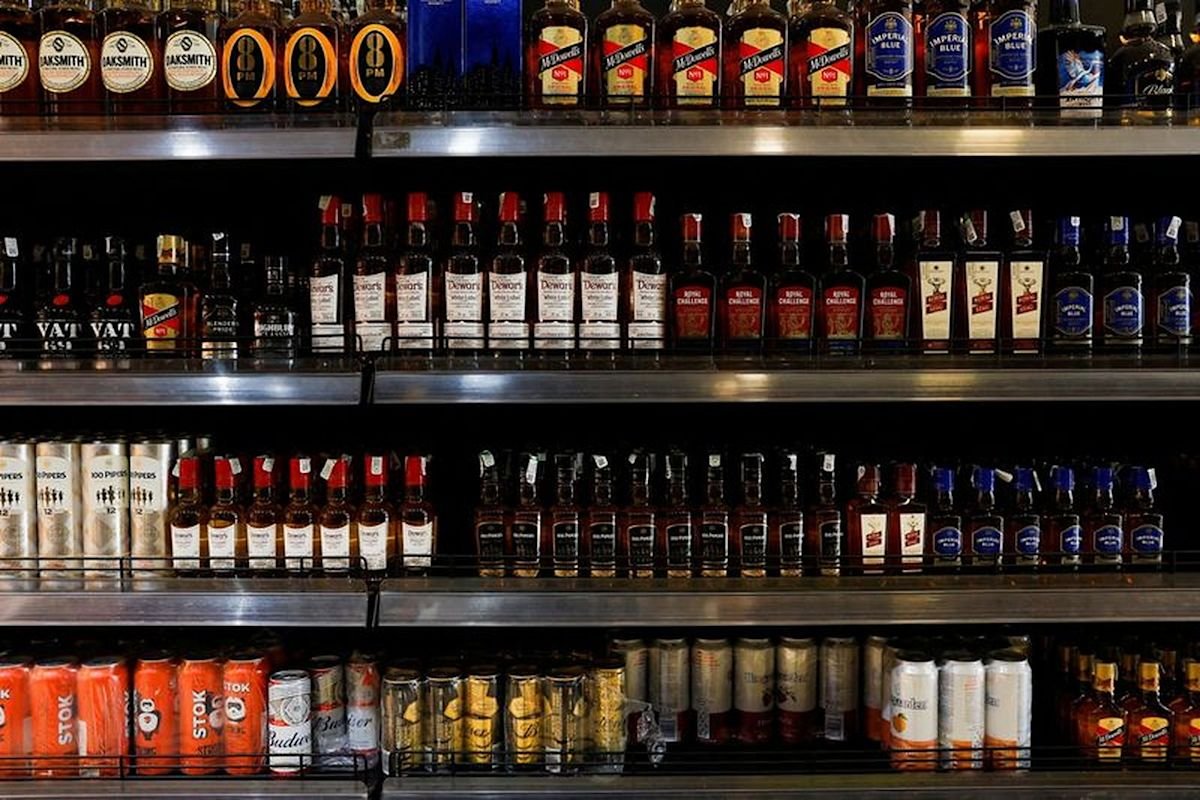
At the heart of the controversy is an effective duty of 162.5% that Indian authorities have applied to bulk Scotch imports. This stands in stark contrast to the spirit of the recent trade pact, which officially reduced tariffs on Scotch whisky to 75%—a move aimed at benefiting industry giants like Diageo and Pernod Ricard. These companies rely on importing bulk concentrates to blend and bottle popular spirits within India, catering to a local liquor market valued at approximately $65 billion.
Indian commerce secretary Rajesh Agrawal acknowledged on Monday that the UK government has formally raised concerns regarding these levies. He emphasized that the Indian administration is currently seeking internal legal counsel to navigate the dispute, aiming to reach a resolution that honors both the trade pact’s commitments and prevailing judicial precedents in India.
Navigating Legal and Customs Challenges
The friction stems from a discrepancy in how bulk Scotch is classified. Indian investigative agencies have contended that certain companies are utilizing improper customs codes, arguing that the imported concentrates should not be eligible for the reduced tariff rates reserved for finished goods. This internal debate has pitted government regulators against industry players, including Pernod Ricard, Diageo, Bacardi, and domestic firms like Radico Khaitan and Allied Blenders and Distillers.
Secretary Agrawal suggested that the situation was compounded by a lack of awareness among trade negotiators regarding existing domestic litigation. He noted that variations in the interpretation of tariff laws, exacerbated by past court rulings, have created an environment of regulatory ambiguity.
Moving Toward Resolution
Despite these challenges, the Indian government has moved to mitigate the immediate impact on supply chains. Thousands of liters of bulk Scotch that had been held in over 80 shipping containers at various Indian ports have now been released. This step follows intense pressure to resolve the backlog, which had threatened to disrupt production schedules for some of the world’s most recognizable whisky brands.
Addressing the broader implications for the India-UK partnership, Agrawal maintained a firm stance on the government’s dedication to the trade agreement. “India holds its commitment to the entire agreement,” he stated. “There is no pullback, pushback, or second-guessing.”
As officials from the trade and finance ministries continue to deliberate, the resolution of this impasse is seen as a litmus test for the durability of the current trade pact. Both New Delhi and London are under pressure to ensure that technical differences regarding customs classifications do not derail the cooperative spirit of their bilateral relationship. With active discussions expected in the coming days, the industry is closely watching to see if a consensus can be reached that satisfies legal requirements while maintaining the market access promised under the trade deal.
Disclaimer: This content is auto-generated for informational purposes only.
Source: Read Original News