








India-EU Free Trade Agreement Poised for December Signing: Implementation Expected by 2027
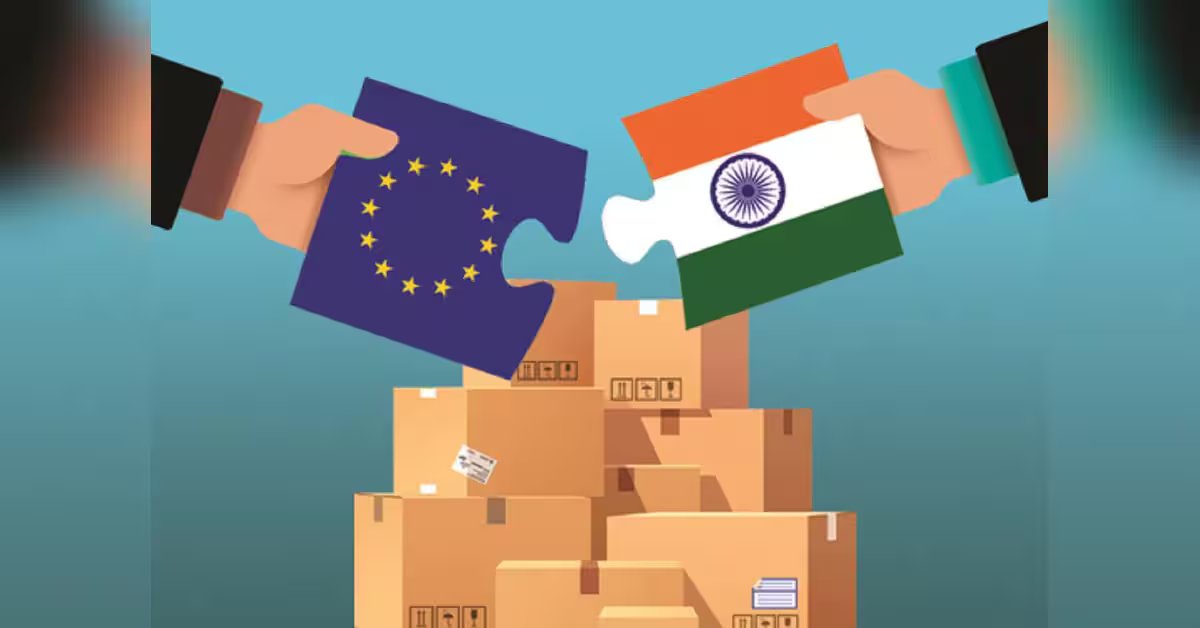
In a major development for bilateral economic relations, the long-awaited Free Trade Agreement (FTA) between India and the European Union is moving toward a formal signature in December. EU Ambassador to India, Jean-Eric Paquet, confirmed this timeline in a recent address, marking the culmination of intense negotiations that reached a successful conclusion during the India-EU summit in January.
Following the finalization and technical refinement of the text by experts from both sides, the European Commission officially proposed the signing of the pact to the Council in September. Currently, member state ministers are deliberating to authorize the formal signing ceremony, which officials hope will coincide with a high-level diplomatic visit to Europe later this year.
The Road to Ratification
Once the agreement is formally signed in December, it will transition into the parliamentary scrutiny phase. Ambassador Paquet emphasized that the European Parliament is required to provide its formal assent before the agreement can take effect.
“The European Parliament will conduct a substantial review of the document,” Paquet noted, clarifying that the legislative body’s role is to accept or reject the treaty as a whole, rather than reopening negotiations on specific terms. Recent feedback from the European Parliament’s Foreign Affairs Committee, which held discussions in New Delhi, suggests a positive outlook. The committee chair has expressed optimism that the Parliament will formulate its stance by the spring of next year, clearing the path for the deal to potentially enter into force by the middle of 2027.
Boosting Indian Exports and MSMEs
The trade pact is widely viewed as a cornerstone for future economic growth, particularly for India’s labor-intensive industries. According to insights from the Commerce Ministry, the agreement is designed to eliminate tariffs on approximately $33 billion worth of Indian exports. Sectors poised to gain significant competitive advantages include textiles, apparel, leather, footwear, marine products, gems and jewellery, and engineering goods.
This reduction in trade barriers is expected to create a surge in opportunities for Micro, Small, and Medium Enterprises (MSMEs), as well as provide a boost to artisans, women-led businesses, and young professionals. Furthermore, India has successfully negotiated safeguards for sensitive domestic industries, such as dairy, poultry, and cereal production, ensuring that the country’s agricultural backbone remains protected while expanding market access for processed food items.
A Comprehensive Framework for Cooperation
Beyond the reduction of tariffs on goods, the FTA serves as a multifaceted framework covering services, intellectual property rights, digital trade, and customs facilitation. One of the agreement’s standout features is the enhanced mobility afforded to skilled Indian professionals.
The deal establishes clear protocols for the movement of intra-corporate transferees, contractual service suppliers, and independent professionals across various sectors, signaling a deeper integration of labor markets. With bilateral trade in goods already reaching a substantial €118 billion in 2025, the FTA is set to consolidate the EU’s position as one of India’s most critical trading partners. As the 2027 implementation date approaches, both the Indian industry and European stakeholders are preparing to leverage this deal to foster a more resilient and integrated economic partnership.
Disclaimer: This content is auto-generated for informational purposes only.
Source: Read Original News