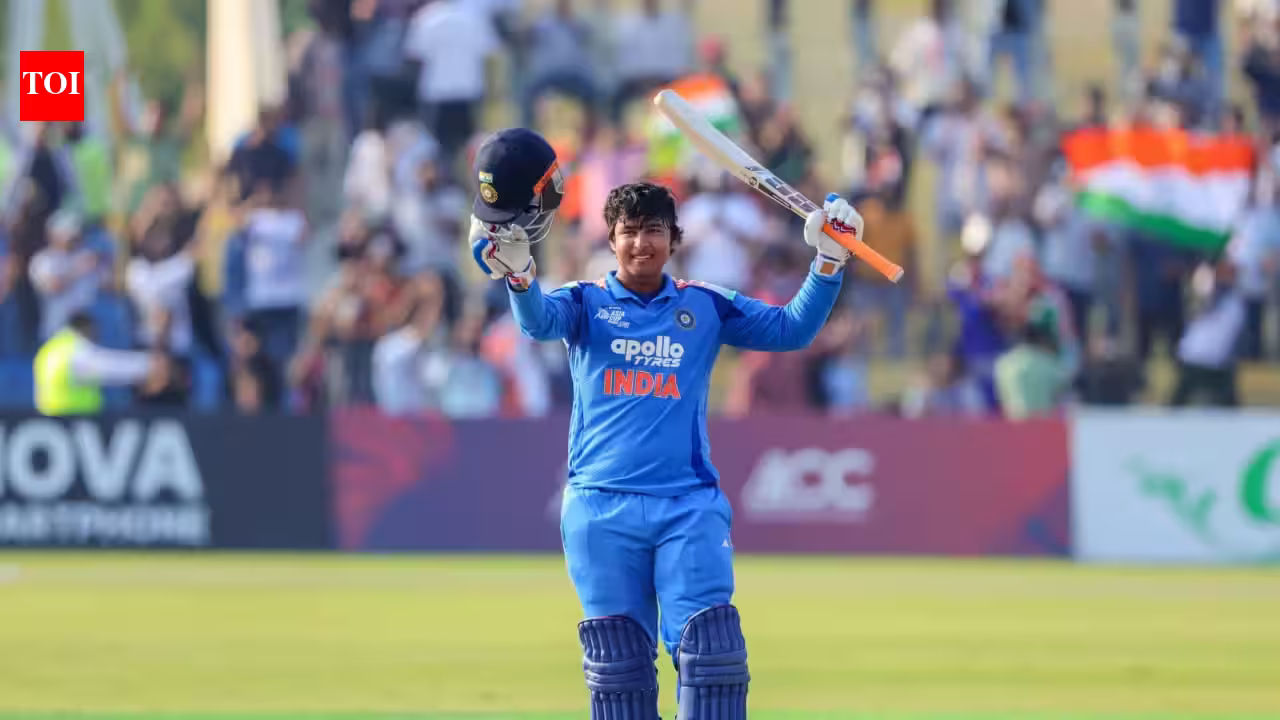









COLOGNY — The hushed, intellectual intensity of the Fondation Martin Bodmer is set to erupt this Tuesday, as the 2026 World Chess Championship kicks off a historic clash between two of the game’s most prodigious young talents. India’s D Gukesh, the defending champion, faces off against the surging challenger from Uzbekistan, Javokhir Sindarov, in a 14-game classical marathon that promises to define the next generation of grandmaster chess.
At just 20 years old, both combatants represent a shifting of the guard in the chess world. This is not merely a title match; it is a collision of disparate narratives. On one side stands Gukesh, the wunderkind who shocked the world in 2024 to become the youngest undisputed champion in history. On the other, Sindarov arrives as the undisputed form player of the year, riding a wave of momentum that has seen him ascend to the upper echelons of the global rankings.
A Champion Under Pressure
For Gukesh, this championship serves as the ultimate test of resilience. Since his meteoric rise to the throne at age 18, the Indian grandmaster has navigated a turbulent period in his career. His form over the past eighteen months has been uncharacteristically volatile, leading to a slide in his classical rating to 2710. Currently ranked 26th in the world, Gukesh holds the dubious distinction of being the lowest-ranked reigning world champion in the modern Elo era.
Critics have been quick to point toward these statistics, suggesting that the “Gukesh era” may be shorter than anticipated. Yet, within the tight-knit circles of top-tier chess, there is a lingering respect for his ability to perform when the stakes are highest. Addressing the media ahead of Tuesday’s opening move, Gukesh remained stoic. He has largely ignored the discourse surrounding his ranking, treating the upcoming 14-game duel not as a defense of a title he already possesses, but as a blank slate.
“I am approaching this contest with the singular mindset of winning the title all over again,” Gukesh said, projecting the same icy composure that defined his 2024 campaign. For the Indian prodigy, the psychological battle of proving his doubters wrong may be just as critical as the tactical maneuvers on the 64 squares.
The Rise of the Uzbek Challenger
If Gukesh is the embattled king looking for redemption, Javokhir Sindarov is the ultimate predator. The Uzbek grandmaster has enjoyed a 2026 season that can only be described as phenomenal. Sindarov didn’t just qualify for this championship; he announced his arrival as a heavyweight by winning the FIDE Candidates Tournament on his very first attempt—a feat that signaled to the world that his ascent was inevitable.
Sindarov’s brilliance was further cemented during Uzbekistan’s triumphant gold-medal run at the 2026 Chess Olympiad, where his individual performances were consistently clinical. Currently sitting at World No. 4 in classical chess and holding the No. 2 spot in live rapid ratings, Sindarov possesses a tactical sharpness that has overwhelmed opponents throughout the year. His ability to maintain pressure under extreme time constraints makes him a formidable adversary for the opening 14-game stretch.
The statistical edge currently rests with the challenger. In their classical head-to-head encounters, Sindarov leads 2-0, with a single draw between them. While history offers a roadmap, it rarely dictates the future in the high-stakes environment of a World Championship match.
The Stakes and the Strategy
With a staggering USD 2.5 million prize pool on the line, the atmosphere in Cologny is set to be electric. The format—a gruelling 14-game classical series—is designed to strip away luck and expose the smallest flaws in a player’s preparation and psychological endurance. If the series remains deadlocked after the 14th game, the match will proceed to a high-octane tiebreak, where rapid and blitz games will determine the victor.
The opening game is particularly significant, as Gukesh begins the match with the black pieces. Traditionally, playing black in the opening game of a world title bout is viewed as a defensive posture, focused on neutralizing the opponent’s white advantage. However, Gukesh’s willingness to experiment suggests that he may not be content to simply play for a draw.
The Future of the Game
This match is, in many ways, the realization of what chess fans have dreamed of since the arrival of the “Computer Generation.” Both Gukesh and Sindarov are products of an era where early professionalization, deep engine preparation, and aggressive tactical intuition are the status quo.
The contrast in their current trajectories makes the spectacle even more compelling. Will Gukesh find the inner fire that propelled him to the summit at 18, or will Sindarov’s relentless momentum prove impossible to halt?
As the clocks start on Tuesday at the Fondation Martin Bodmer, the world will be watching. For one of these young men, the next three weeks will cement his place in the annals of history; for the other, it will be the beginning of a long journey back to the top. One thing is certain: the era of the 20-year-old grandmasters has arrived, and for the next 14 games, the world of chess will revolve entirely around Gukesh and Sindarov.
Disclaimer: This content is auto-generated for informational purposes only.
Source: Read Original News