







The Evolution of Hardware-Based Autofocus
For the past five years, the Samsung Galaxy S Ultra lineup has relied on a dedicated hardware component to ensure precise and rapid focus: the laser autofocus module. This technology, which operates by emitting a laser beam to measure the distance between the camera lens and the subject, became a cornerstone of Samsung’s flagship photography experience starting with the Galaxy S21 Ultra. It was specifically integrated to address the performance limitations discovered in the Galaxy S20 Ultra, which initially struggled with “focus hunting”—a phenomenon where the camera lens continuously shifts back and forth while attempting to lock onto a target. By adding laser assistance, Samsung successfully bridged the gap for its phase-detection autofocus (PDAF) systems, ensuring that even in low-light environments or during high-speed action, the camera could snap into clarity almost instantly.
Shifting Strategy: The Removal of Laser Components
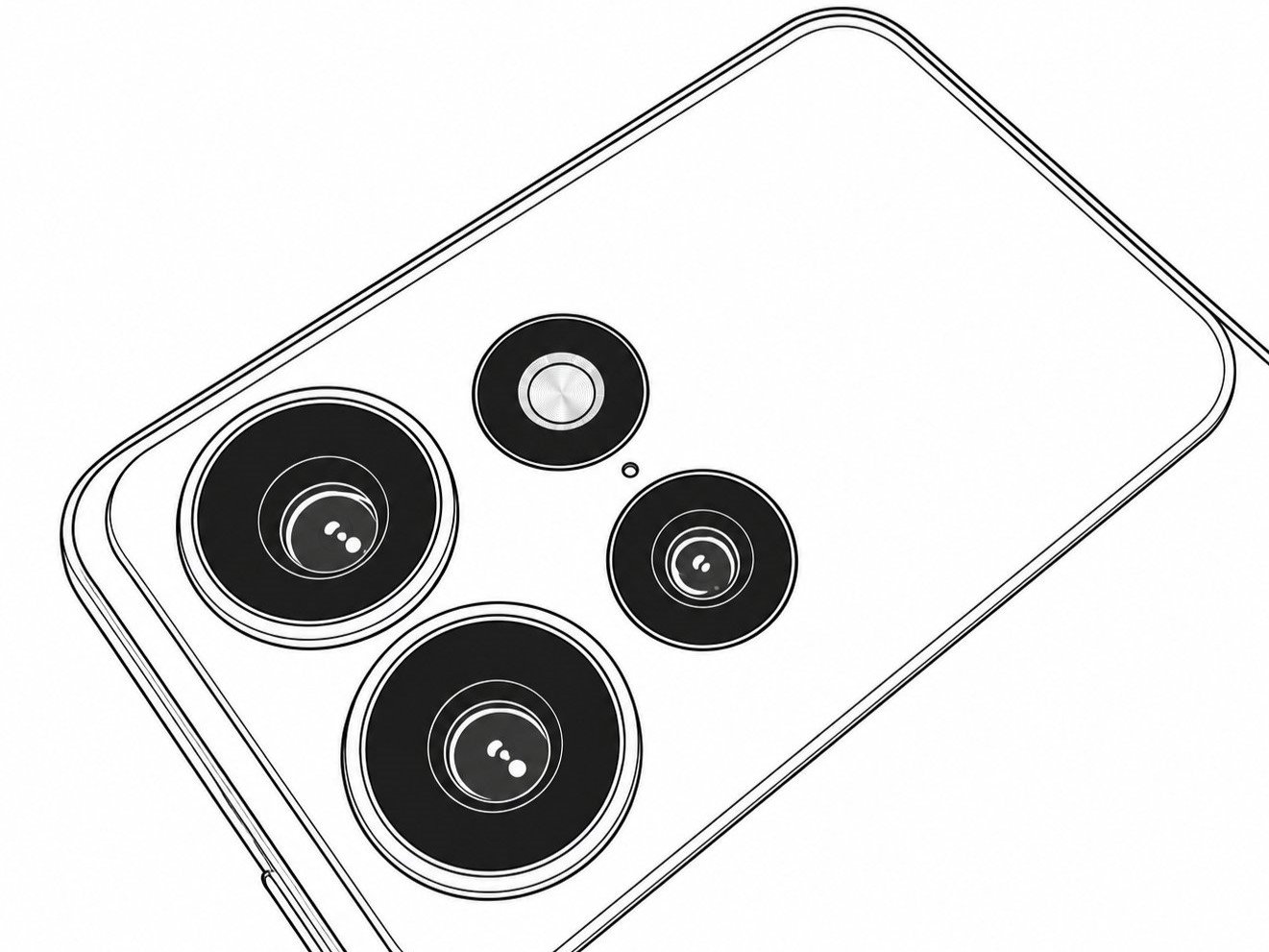
Recent reports from industry observers and credible leakers suggest that Samsung is preparing to deviate from this established hardware standard. The upcoming Galaxy S27 Ultra is expected to omit the laser autofocus module entirely. This design decision signals a major transition in the company’s internal philosophy regarding camera architecture. If these reports hold true, the removal will represent the first time an Ultra-tier device has abandoned this hardware solution since the S20 era.
This move appears to be part of a broader strategy to refine the physical camera array, potentially to reduce manufacturing complexity or to slim down the camera bump design. However, the decision has drawn scrutiny from mobile photography enthusiasts who prioritize hardware reliability over software-driven solutions. The removal of the 3x optical zoom lens, which has also been rumored, further highlights a shift toward a consolidated, perhaps cost-optimized, camera configuration for the next generation of flagship devices.
The Rise of AI-Driven Focus Architectures
Samsung intends to replace the physical laser module with an artificial intelligence-based autofocus system. In theory, this software-defined approach leverages the advanced image signal processors (ISP) found in modern mobile chipsets to analyze scene data and predict focus depth without needing external hardware sensors. Modern neural processing units are increasingly capable of object recognition and depth mapping, which can inform the lens motors where to focus in real time.
The technical challenge lies in latency and reliability. While AI models can be highly effective at recognizing faces or stationary objects, they often require significant computational power to match the millisecond-fast response time of a dedicated laser sensor. If Samsung’s software stack is sufficiently optimized, it may be able to simulate the performance of hardware sensors while providing additional benefits, such as better subject tracking in complex, multi-layered environments. However, the industry is closely watching whether this reliance on algorithms can truly replace the tactile, physics-based precision provided by a laser beam.
Implications for the Flagship Photography Market
The move toward an AI-reliant camera system is not happening in a vacuum. Competitors, particularly from the Chinese smartphone market, have pushed the boundaries of hardware-software integration, often including massive sensors and sophisticated light-tracking components. By removing the laser module, Samsung is effectively banking on the strength of its One UI software ecosystem to maintain its market position.
This change could impact the user experience in several ways. For the average user, the difference may be imperceptible, as most modern flagships already benefit from extremely fast sensor-based focus. However, professional photographers or users who frequently capture fast-moving subjects might notice a difference in consistency. The reliance on AI also opens a debate about “computational photography versus optical physics.” If the AI software falters in low-contrast scenes or unconventional lighting, the lack of a backup hardware sensor might lead to the very focus issues that plagued the brand years ago.
Refining the Galaxy S27 Ultra Hardware Array
Beyond the focus mechanism, the leaked specifications for the Galaxy S27 Ultra’s camera array suggest a distinct shift in priorities. The current configuration includes a 200 MP primary camera with Optical Image Stabilization (OIS), a 50 MP periscope zoom lens capable of 5x optical reach, and a 50 MP ultrawide sensor. The absence of a dedicated 3x zoom lens reflects a desire to simplify the lens assembly while relying on high-resolution crops from the main sensor to cover the intermediate focal range.
These adjustments indicate a design evolution focused on higher-resolution sensors rather than a plethora of discrete hardware components. While critics argue that removing dedicated hardware can reduce versatility, proponents suggest that these changes allow for a more streamlined device that is easier to repair and more efficient to manufacture. Whether these hardware cuts will satisfy the consumer base or be seen as a regression remains a pivotal question. As the launch date approaches, the performance of this AI-augmented focus system will undoubtedly be the primary metric by which the S27 Ultra’s camera system is judged by the technical community.
Disclaimer: This content is auto-generated for informational purposes only.
Source: Read Original News