









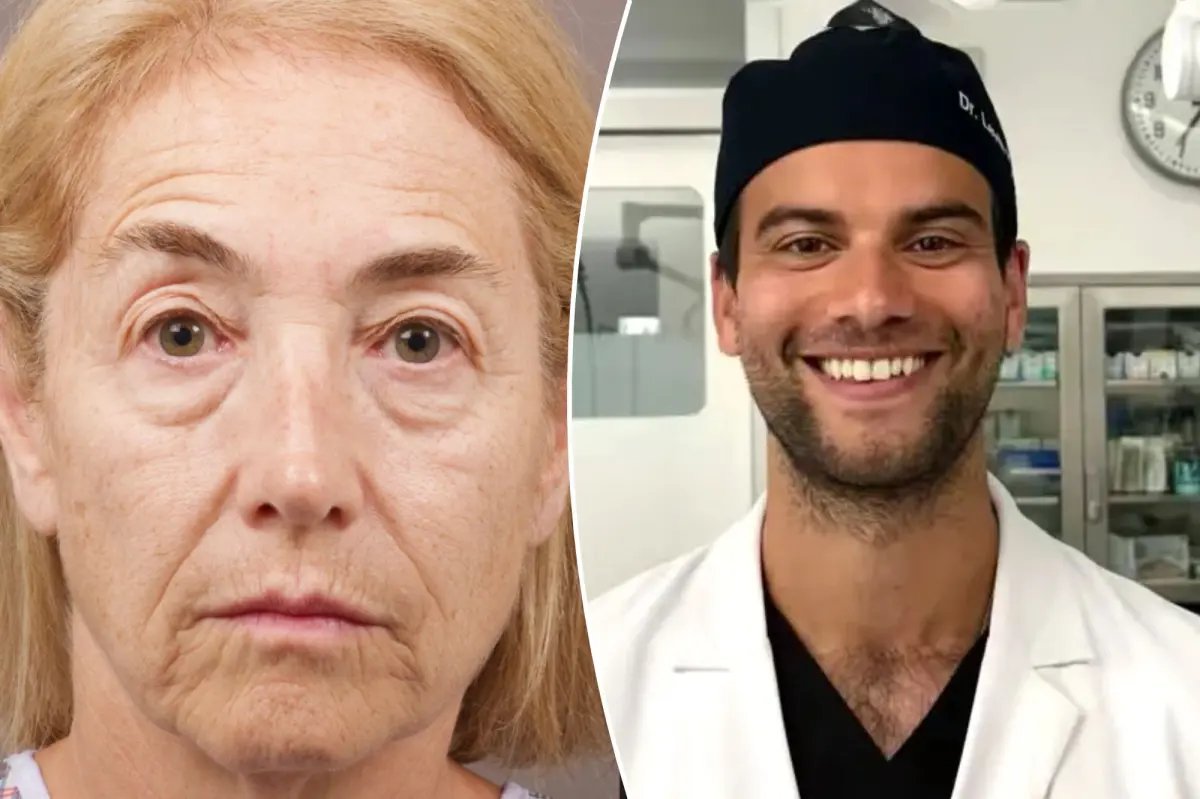
The intersection of medical precision and aesthetic technology has reached a new pinnacle with the emergence of comprehensive facial rejuvenation techniques. Recent high-profile surgical interventions, such as those performed by Dr. Marc Levin in Beverly Hills, illustrate how modern surgical suites are integrating advanced anatomy-based protocols to produce outcomes that prioritize natural-looking longevity over traditional, aggressive alterations. By moving away from purely superficial tissue manipulation, surgeons are now leveraging deep-plane architectural adjustments to achieve results that remain consistent with a patient’s unique facial identity.
The Anatomy of Modern Facial Rejuvenation
At the core of the current technological shift in plastic surgery is the concept of the deep-plane facelift. Unlike older methods that focused primarily on pulling skin taut, the deep-plane approach involves releasing the ligaments that tether the deeper structures of the face to the underlying bone. By repositioning the superficial musculoaponeurotic system (SMAS) and the associated musculature at a deeper layer, surgeons can create a vertical lift that addresses the sagging associated with aging while maintaining natural tension.
In the case of a 61-year-old patient who underwent a nine-and-a-half-hour procedure, the methodology was not singular but a modular assembly of surgical techniques. This included an endoscopic brow lift, which utilizes micro-cameras to allow for precision adjustments through minimal incisions, and a scarless lower blepharoplasty, which treats the lower eyelids by working from within the lid to eliminate external scarring. The inclusion of facial fat grafting—a technique that involves harvesting, processing, and reinjecting the patient’s own adipose tissue—restores the structural volume lost during the natural aging process, effectively acting as a biological scaffold to support the skin.
Technological Integration in Post-Operative Recovery
Modern surgical outcomes are as much a product of post-operative management as the surgery itself. The integration of CO2 laser resurfacing is a primary example of using energy-based devices to augment surgical results. By utilizing focused infrared light, surgeons can vaporize damaged outer layers of skin and stimulate collagen production in the dermis. This process refines the skin texture and addresses fine lines that are otherwise unreachable by physical lifting techniques alone.
From a patient management perspective, the technical timeline for recovery has also been refined through better understanding of tissue healing. Patients can expect a trajectory where social functionality returns within weeks, while the internal biological settling of deep tissues continues for up to a year. This sustained improvement period is critical, as it allows the body to remodel scars and redistribute blood flow, ensuring that the final outcome appears as a natural maturation rather than a sudden transformation.
Precision Through Micro-Adjustments
The modern surgical suite now emphasizes “millimeter-level” analysis. Dr. Levin’s approach, characterized as a comprehensive rejuvenation plan, highlights the importance of earlobe reduction and other minor structural modifications. While often overlooked, the proportion of the earlobes and the structural integrity of the jawline are fundamental to maintaining facial harmony.
The application of an endoscopic brow lift is a testament to the shift toward less invasive yet highly impactful technology. By utilizing endoscopic imaging, surgeons can visualize the facial nerves and underlying musculature with high clarity, reducing the risk of motor nerve damage. This technical evolution allows for a precise lift that elevates the brows to a youthful position without creating the “surprised” expression often associated with older, more blunt techniques.
Economic and Practical Implications of High-End Surgical Care
The economic scale of such procedures, often ranging into the high tens of thousands of dollars, reflects the complexity of the resources deployed. A 9.5-hour surgical window requires a coordinated team of anesthesiologists, surgical assistants, and nurses, alongside specialized instrumentation such as high-definition surgical microscopes, endoscopic hardware, and carbon dioxide laser systems.
These investments in surgical technology facilitate a “hidden” result. The current industry focus has shifted from the aesthetic of “being operated on” to the aesthetic of “restored vitality.” Patients are increasingly requesting procedures that do not alter their fundamental facial characteristics but rather revert the clock on environmental and genetic aging. The successful integration of these technical disciplines ensures that the internal perception of the patient—how they feel internally—aligns with their external appearance.
The Future of Aesthetic Surgical Standards
As surgical techniques continue to advance, the standard of care is increasingly defined by data-driven, repeatable success. The use of advanced imaging to map facial symmetry prior to the first incision allows surgeons to customize the deep-plane approach for every patient’s specific bone structure. As these methodologies become more standardized, the industry expects a decrease in recovery times and a more predictable duration of results.
The shift toward deep-plane, regenerative, and laser-assisted procedures represents a move toward a more sophisticated model of care. For the patient, this transition provides the security of science-backed results. For the surgeon, it provides a palette to perform intricate, anatomically sound corrections that honor the patient’s original features. As digital modeling and real-time intraoperative imaging continue to improve, the precision of these facial transformations will likely reach even greater levels of consistency, bridging the gap between clinical surgery and true aesthetic restoration.
Disclaimer: This content is auto-generated for informational purposes only.
Source: Read Original News