








Washington: A New Wave of US Tariffs Looms for India and Major Global Economies
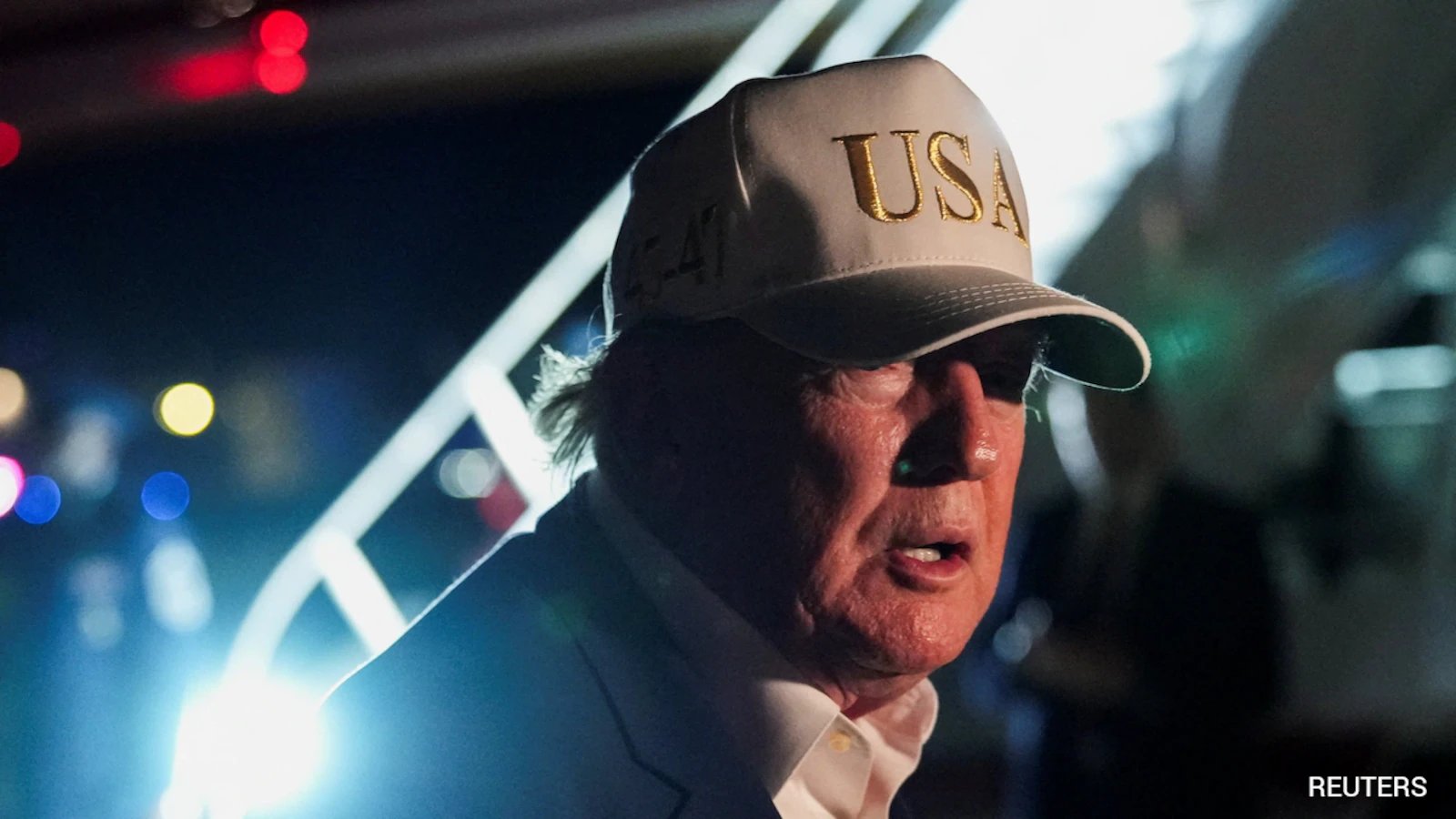
India, along with over a dozen other major economies, is bracing for a significant escalation in trade tensions as the Donald Trump administration prepares to unveil a fresh set of import duties. According to reports from the Wall Street Journal and Bloomberg, the U.S. Trade Representative (USTR), Jamieson Greer, is expected to announce these measures as early as this week, marking a aggressive push to shield domestic American industry from perceived foreign unfairness.
The list of targeted nations is extensive, including China, Japan, South Korea, and the European Union. U.S. officials argue that these economies have fostered an environment of excess industrial capacity through government-backed subsidies, effectively allowing their companies to flood global markets with inexpensive goods that undermine American manufacturers.
The Scope and Legal Framework
This looming tariff action stems from an investigation initiated on March 11 under Section 301 of the 1974 trade law. This specific provision grants the U.S. President the authority to levy tariffs in response to trade practices deemed unjust or discriminatory.
While the exact scale of the new duties remains to be finalized, the administration has indicated a desire to mirror the tariff levels established in 2025. Those previous attempts at trade protectionism faced a major hurdle in February 2026, when the Supreme Court struck down the initial wave of levies. Administration officials appear undeterred, suggesting that the current probe serves as a foundation to reinstate significant protective barriers.
Industry experts note that these new levies will likely apply to a broad spectrum of imported products. However, the administration is expected to carve out exemptions for specific industrial categories—such as steel, aluminum, and automobiles—that are already governed by existing national security-related tariff frameworks.
Cumulative Pressure on Trade
The potential new duties follow a separate USTR investigation concluded in July regarding forced labor within international supply chains. That probe recommended tariffs ranging from 10 to 12.5 percent across 16 trading partners, including India. Analysts suggest that the upcoming announcement will likely stack these new excess-manufacturing duties on top of the existing July levies, creating a compounded financial burden for exporters.
Impact on the India-US Trade Deal
The timing of this announcement is particularly critical for the ongoing bilateral trade negotiations between New Delhi and Washington. Both nations had finalized a framework for an interim trade agreement in February, but the deal was sent back to the drawing board following the Supreme Court’s invalidation of the previous year’s emergency tariffs.
For India, the stakes remain high. New Delhi has been actively seeking preferential tariff treatment in the U.S. market, specifically aiming to secure a competitive edge over regional manufacturing hubs like Vietnam, Bangladesh, and Cambodia. Whether the Trump administration will provide such concessions amidst a broader protectionist pivot remains to be seen, as the current climate in Washington leans heavily toward prioritizing domestic output over traditional trade partnerships.
As the USTR prepares to unveil its findings, Indian trade officials are monitoring the situation closely, aware that the outcome could fundamentally reshape the commercial bridge between the world’s two largest democracies.
Disclaimer: This content is auto-generated for informational purposes only.
Source: Read Original News