







The rise of powerful AI coding agents and automated reverse-engineering tools has fundamentally disrupted the music hardware industry. Tools that allow for the rapid analysis and modification of device firmware have empowered tinkerers and developers to bypass manufacturer restrictions, forcing legacy hardware companies to re-evaluate their closed-garden strategies. What was once a niche hobby of circuit bending and custom firmware development has scaled rapidly, as generative AI tools lower the barrier to entry for modifying embedded systems.
The Shift Toward Open Systems
The industry response to these developments has been polarized, but a significant pivot toward open-source frameworks is currently underway. Leading the charge is inMusic, the parent company of iconic brands such as Akai, Moog, and Native Instruments. Recognizing the inevitability of community-led modifications, the company has begun providing an official SDK and documentation for the inner workings of their devices, including the MPC series.
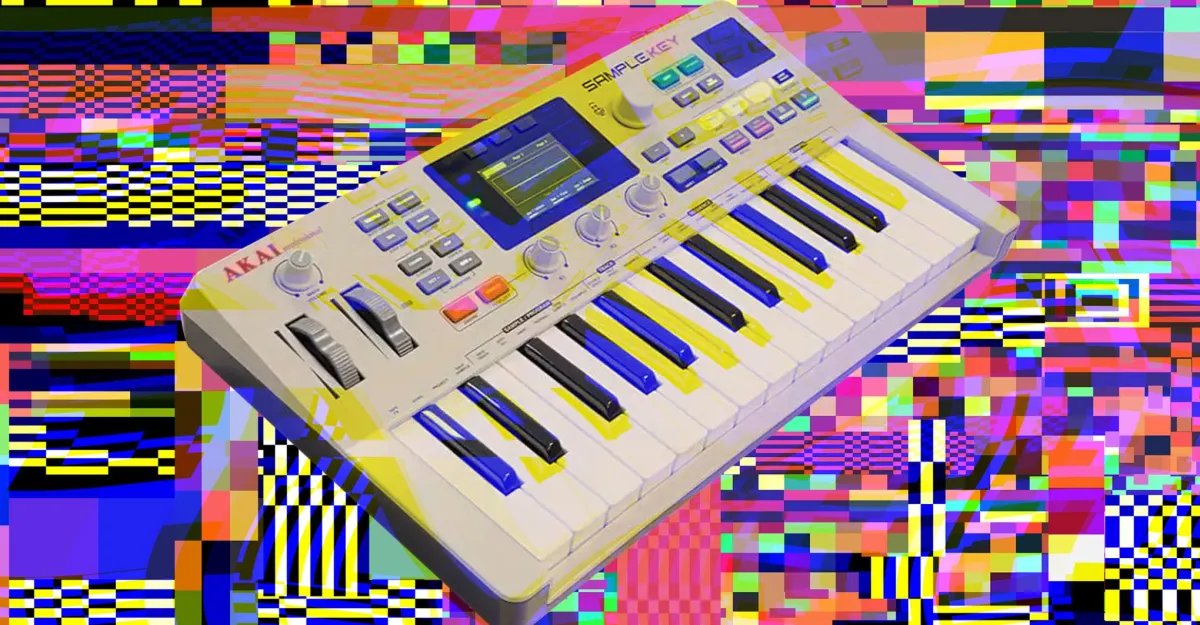
This strategic pivot aims to channel the creative energy of the modding community into an official pipeline. By providing tools for legitimate customization, companies hope to maintain product reliability while satisfying the demand for specialized functionality. For instance, the upcoming MPC Sample Key is being designed with this community-forward approach, providing users with a supported pathway to create custom plugins and system enhancements without the threat of permanently damaging their hardware.
The Proliferation of Open-Source Clones
Where established manufacturers are carefully opening their platforms, others are leaning into the disruption entirely. Behringer, known for its aggressive hardware release cycles, has announced a suite of open-source devices intended to compete directly with legacy instruments. This includes the Kick sampler, an E-mu SP-1200 clone, and the Polykeys 61 MIDI controller. By embracing an open-source model at the hardware level, these devices encourage community-driven firmware evolution. While release dates remain uncertain, this strategy represents a shift from proprietary “black box” design to a model where the consumer is encouraged to modify the underlying code of their instruments.
The Origins of the Hacking Movement
The catalyst for this movement can be traced back to the widespread success of the M-Vave FM-1. Designed as an affordable, portable tribute to the Yamaha DX7, the device’s true value was discovered when enthusiasts found it to be highly susceptible to modification. The availability of numerous custom firmwares demonstrated that hardware could serve as a canvas for software innovation. M-Vave’s subsequent decision to embrace this movement by releasing official open-source firmware and promising an open-source successor, the FM-2, solidified the viability of this business model. This cycle—where a device gains value through its hackability rather than its initial feature set—has become a blueprint for modern hardware design.
Sustainability and the Design Philosophy
Beyond the novelty of custom features, some industry leaders see a secondary benefit to the rise of open-source instrumentation: increased product longevity. Ģirts Ozoliņš of Erica Synths, which recently released the source code for the LXR-02 drum machine, suggests that the ability to modify existing hardware creates a trace of sustainability. Instead of requiring users to cycle through dozens of disposable plastic controllers, a single, open-ended device can be adapted to perform new functions through software updates.
However, this transition is not without friction. Manufacturers like Elektron remain cautious, actively warning users that unauthorized modifications can lead to hardware failure or the loss of warranty support. For many companies, the refusal to share proprietary code is rooted in a specific design vision. They argue that instruments are crafted with a cohesive, intentional workflow in mind, and that allowing third-party code can dilute the original purpose of the device. This creates an ongoing debate between those who view an instrument as a finalized work of art and those who view it as a platform for open-ended creative exploration.
Industry Challenges and Future Prospects
While the trend toward open hardware is gathering momentum, not every manufacturer is participating. Industry titans such as Roland, Korg, Arturia, and Novation have largely maintained silence, highlighting a clear divide in how hardware firms view their relationship with end-users. The tension between maintaining proprietary control for the sake of quality assurance and embracing community-led innovation remains unresolved.
As AI continues to simplify the process of rewriting firmware, manufacturers will be forced to choose between strict enforcement or collaborative ecosystems. For the end user, this era represents a significant gain in agency. The ability to demand more from hardware through software modifications is no longer the domain of skilled electrical engineers; it is becoming a standard expectation for the modern electronic musician. Whether this leads to a more vibrant, sustainable musical landscape or a fragmentation of product standards remains to be seen, but the era of the impenetrable, unmodifiable music machine is coming to a close.
Disclaimer: This content is auto-generated for informational purposes only.
Source: Read Original News