









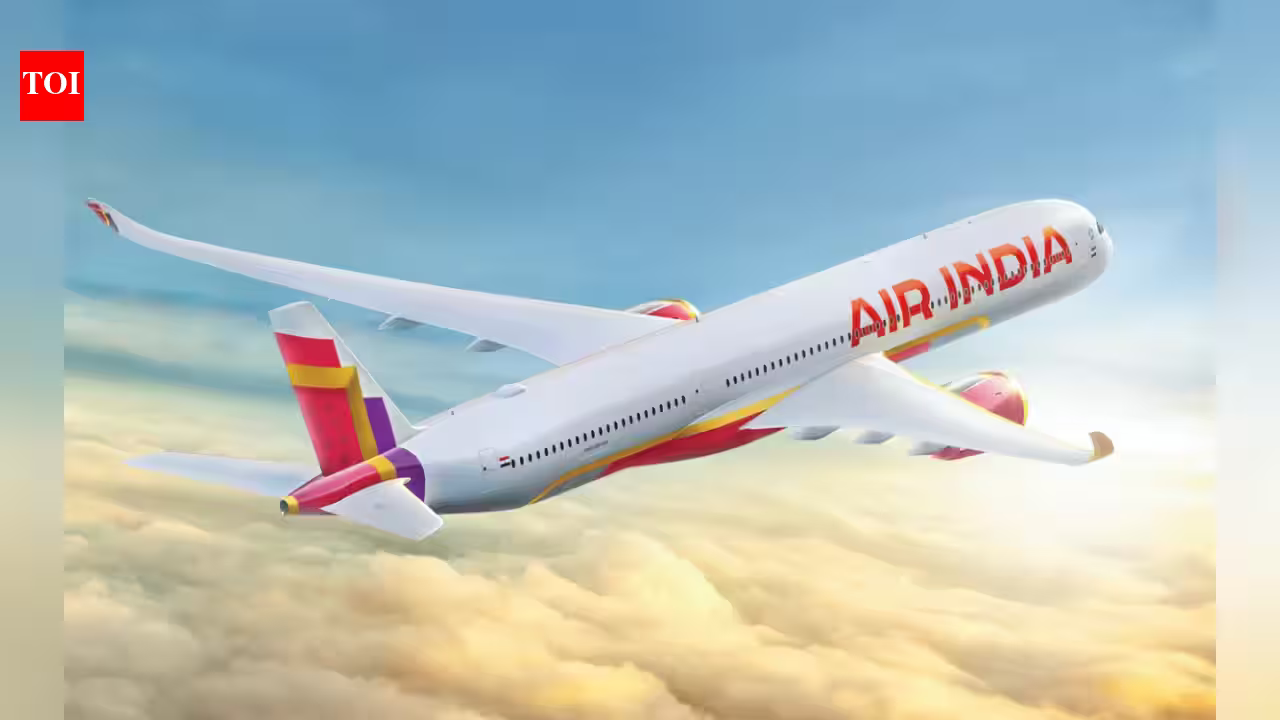
Strategic Integration and the Birth of the One AI Group Model
The aviation sector in India is undergoing a structural transformation as the Tata Group accelerates its efforts to consolidate its airline assets. Under the leadership of incoming CEO Tewolde Gebremariam, Air India is transitioning toward a One AI Group model. This strategic pivot is designed to eliminate the historical silos between the full-service carrier, Air India, and its low-cost subsidiary, Air India Express. Since the Tata Group assumed ownership in January 2022, the airline has navigated significant financial headwinds, with cumulative losses reaching approximately Rs 60,000 crore. The new mandate aims to reverse this trajectory by fostering internal synergy, streamlining operations, and optimizing resource allocation.
The core philosophy behind this integration is not to merge the two entities into a single legal license, which would be impractical given regulatory requirements and distinct business models. Instead, the initiative focuses on a functional unification. While customer-facing and frontline operational departments will retain their airline-specific identities to serve their respective market segments, the administrative and strategic functions are being centralized. By consolidating finance, human resources, IT infrastructure, and specialized centers of excellence at the group level, the organization intends to reduce redundancy and create a unified corporate culture capable of executing large-scale initiatives with agility.
Operational Efficiencies and the Pursuit of Performance Metrics
Achieving sustainable profitability requires more than just administrative consolidation; it demands a radical improvement in operational reliability. Gebremariam has identified specific performance indicators that define the next phase of growth: on-time performance (OTP), cabin cleanliness, and baggage handling reliability. Recent internal data suggests that the focus on these metrics is yielding results, with both the full-service and budget arms recording an OTP exceeding 80 percent in domestic operations over the recent quarter.
Maintaining this momentum requires a disciplined approach to fleet management and scheduling. As the airline integrates its internal processes, the emphasis shifts toward accountability. The management team is being bolstered with the creation of critical roles, such as the Group Strategy Officer and the Chief of Training Academy, to ensure that the human capital and long-term planning efforts align with the broader corporate goals. This structural change is designed to move the airline away from reactive crisis management toward a proactive, data-driven operational model. For a market as price-sensitive and competitive as India, where passengers are increasingly intolerant of delays, this shift in operational culture is essential for retaining market share against domestic rivals and international competitors.
Navigating Geopolitical Turbulence and Network Optimization
The global aviation landscape is currently fraught with challenges, ranging from volatile fuel prices to airspace restrictions triggered by regional geopolitical conflicts. For an airline like Air India, which relies heavily on international transit traffic, these external variables pose a constant threat to profitability. The management has adopted a pragmatic approach to this uncertainty by rejigging its network strategy to enhance resilience. By rerouting westbound connecting traffic through Mumbai—a hub less affected by current airspace closures—the carrier is attempting to mitigate the impact of longer flight paths and increased fuel consumption. Simultaneously, Delhi is being positioned as the primary gateway for eastbound traffic flows.
This geographical diversification of transit hubs is a testament to the company’s focus on building a robust network that can withstand external shocks. The goal is to build an organization that remains competitive regardless of the state of the global environment. This necessitates a high degree of organizational flexibility and a departure from fixed, legacy network models. By leveraging its strategic location in South Asia and optimizing connectivity between the West and the East, the airline is attempting to capture a larger portion of the connecting passenger market, which remains a key revenue driver for long-haul carriers.
Fostering a Culture of Cost Discipline and Accountability
A significant portion of the airline’s financial burden stems from the inefficiencies inherited from its state-run era. Addressing this requires a systemic change in how capital and operational expenditures are viewed across the organization. Gebremariam has been explicit in his communication to employees: cost discipline is not a project with an end date, but a fundamental aspect of the corporate culture. This involves moving beyond mere cost-cutting to a mindset of cost consciousness, where every decision—from ground handling contracts to procurement—is vetted for its contribution to the bottom line.
The concept of “constructive impatience” is being introduced to instill a sense of urgency within the workforce. In a competitive market where domestic low-cost carriers are aggressive in their pricing, Air India cannot afford the slow pace of decision-making that has historically plagued legacy operators. By holding teams accountable for clear, measurable deliverables, the management is attempting to shift the employee mindset from one of compliance to one of contribution. This cultural transformation is perhaps the most difficult aspect of the turnaround, as it requires moving thousands of employees toward a unified vision of commercial viability.
Long-Term Outlook in the Competitive Indian Skies
The Indian aviation market is projected to be among the fastest-growing globally over the next decade. However, the sheer scale of investment required to upgrade the fleet, modernize IT systems, and train personnel puts immense pressure on cash flows. The management’s confidence in the long-term outlook of the Air India Group is predicated on the belief that these current investments will create a foundation for sustained growth once the current cycle of capital-intensive transformation concludes.
Despite the losses accrued since the acquisition, the positive trends in load factors and yields in the most recent months suggest that the revenue engines are beginning to perform. The ability to increase yields while managing unit costs will be the defining factor of success. As the Group matures, its ability to leverage the combined scale of its full-service and low-cost arms will provide a strategic advantage that few competitors can match. If the integration succeeds in creating a seamless, efficient, and profitable organization, the One AI Group model could serve as a blueprint for airline turnarounds in emerging markets. The path ahead remains difficult, but the systematic approach to restructuring and the focus on operational excellence indicate that the airline is transitioning from a period of survival to a phase of deliberate, calculated expansion.
Disclaimer: This content is auto-generated for informational purposes only.
Source: Read Original News