








RECKLESSLY TALENTED and frighteningly efficient, 15-year-old batting sensation Vaibhav Sooryavanshi has set the cricketing world ablaze, leaving experts and legends alike scrambling for superlatives. In a display of raw power and audacity that defied the conventional boundaries of youth cricket, the teenage prodigy pulverized the United Arab Emirates bowling attack in the Asia Cup Rising Stars tournament, hammering a staggering 204 runs off a mere 53 balls.
The innings was not merely a high score; it was a manifesto. As the ball soared into the stands with monotonous regularity, the debate regarding Sooryavanshi’s immediate integration into the senior Indian T20I setup has shifted from a murmur to a deafening roar. While the BCCI’s youth development pipeline is designed to “groom” talent carefully, Sooryavanshi is making a compelling, violent case that he has outgrown the nursery.
The Call for Courage
The most vocal proponent of fast-tracking the youngster is none other than 1983 World Cup winner Krishnamachari Srikkanth. Known for his own swashbuckling style during his playing days, Srikkanth has grown visibly impatient with the current team management’s cautious handling of the Bihar-born sensation.
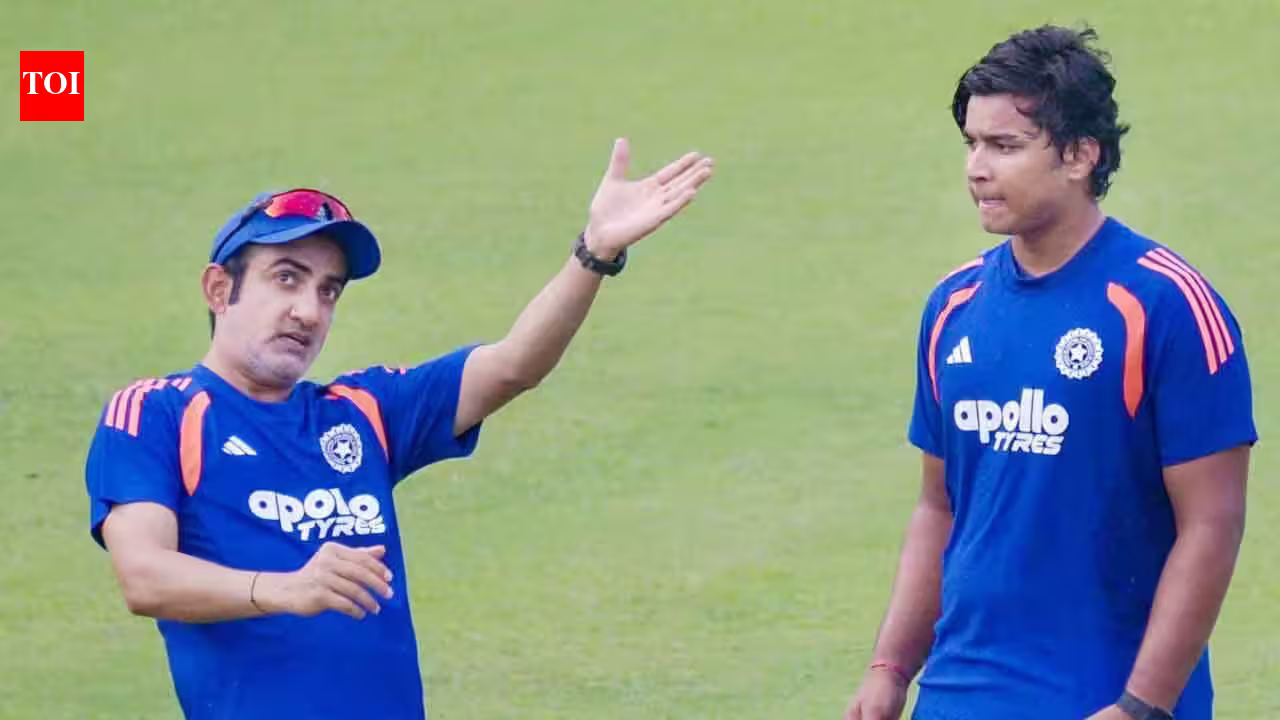
Despite having already appeared in 10 T20Is for India, Sooryavanshi remains on the periphery, often sidelined in favor of established openers like Abhishek Sharma and Sanju Samson. For Srikkanth, this tactical stagnation is a disservice to a generational talent. Taking to his official YouTube channel, the former India captain did not mince words, aiming a direct and blistering critique at head coach Gautam Gambhir.
“We need to make some strong moves,” Srikkanth declared. “Vaibhav was made Bihar captain right away. He was the vice-captain in the Duleep Trophy; him and Ishan Kishan won the title. He has been promoted to that level. Gautam is just keeping deaf ears.”
Srikkanth’s frustration stems from the disconnect between the team management’s rhetoric—which often cites the need to “groom” the player—and the stark reality of the youngster’s match-winning capabilities. “The team management is playing one game, saying he has to be groomed, and not giving him chances. This guy, on the other hand, is playing his own game. You say it is not in your hands and all of that. Gautam Gambhir, just look at how he is hitting. No one can hit like this. Just look at this.”
A Masterclass in Destruction
The primary argument for Sooryavanshi’s elevation isn’t just his age; it is the sheer, unprecedented nature of his strike-power. During his double-century masterclass, the 15-year-old displayed a 360-degree range of stroke play that left even veteran commentators grasping for comparisons.
Srikkanth, who has witnessed decades of evolving batting styles, admitted to being genuinely rattled by what he saw. “What is this? Have you seen anyone hitting the ball like this? Look at the shots he has played. He has his shots everywhere in all ranges. This is another level. This does not happen in book cricket either. I have never seen these kinds of shots. Who is this guy? Which generation is he from? Where does he get so much power and sense of timing?”
The comparisons being drawn are not for the faint of heart. Srikkanth went as far as to place the teenager in a stratosphere occupied by the most feared hitters in the history of the sport, explicitly naming AB de Villiers and Chris Gayle. To suggest that a 15-year-old is operating in a tier above the “Universe Boss” and “Mr. 360” is perhaps the highest praise a young cricketer could hope to receive, yet for those watching the footage from the Asia Cup, the hyperbole feels oddly grounded in reality.
The Gambhir Dilemma
The situation presents a classic predicament for Gautam Gambhir and his coaching staff. On one side, there is the long-term structural integrity of the team, which favors gradual exposure to international pressure. On the other, there is a player who seems to be an outlier in every physical and technical metric of the modern game.
Sooryavanshi’s ability to transition his form from T20 cricket to the 50-over format suggests he possesses a maturity that belies his age. While the senior Indian side boasts a wealth of talent, the “X-factor” that Sooryavanshi brings is a rare commodity—a player who does not merely react to the bowling but dictates the tempo of the contest from the very first ball.
As the cricket world watches, the pressure is mounting on Gambhir to shift from an observational approach to an actionable one. The question is no longer whether Vaibhav Sooryavanshi is talented enough to play for India; the question is how long the team can afford to watch him perform miracles on the sidelines before they realize the future has already arrived. For now, the boy from Bihar continues to hit the ball with a force that suggests the selectors’ decision-making process is the only thing standing between him and global stardom.
Disclaimer: This content is auto-generated for informational purposes only.
Source: Read Original News