








India Advocates for Bilateral Dialogue Amid US Tariff Threat
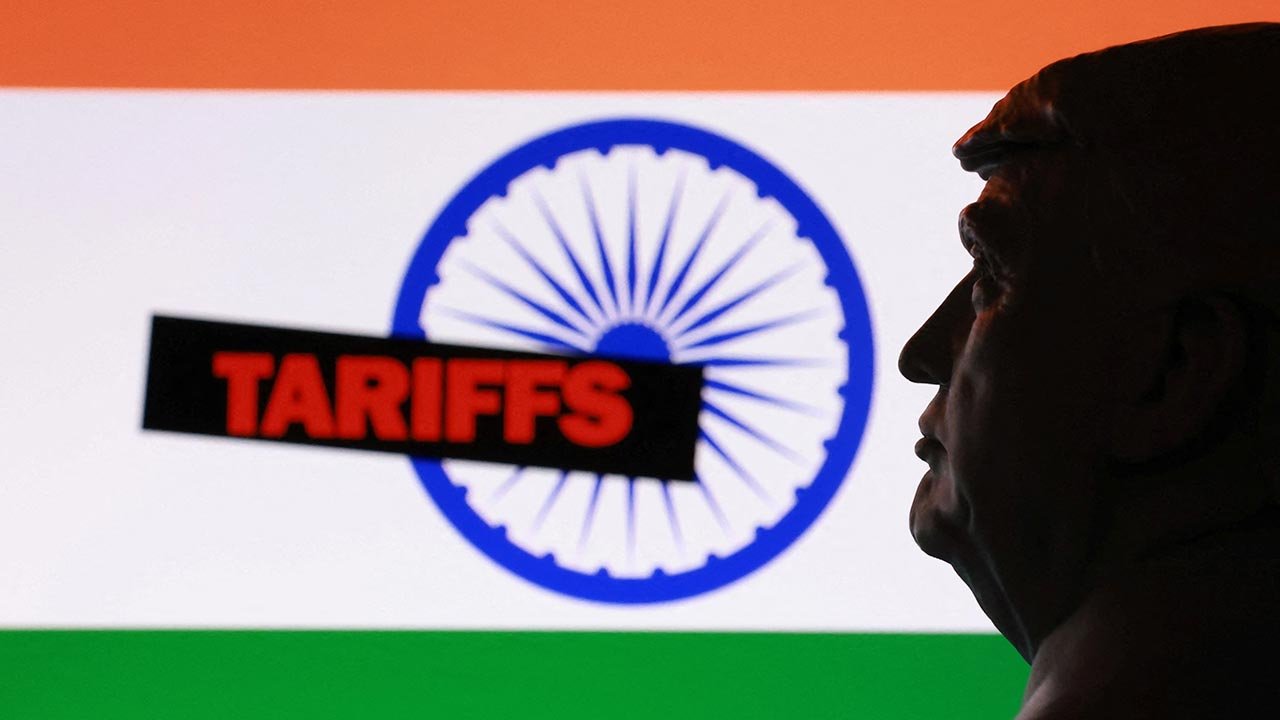
New Delhi has formally signaled its preference for resolving trade disputes through ongoing bilateral negotiations, following a recent proposal from the United States to impose tariffs of up to 25 per cent on various Indian-made products. The proposed levies stem from an investigation launched by the Office of the United States Trade Representative (USTR) under Section 301, which scrutinized manufacturing output and capacity across 14 global economies, including India.
In a measured response, the Ministry of Commerce and Industry confirmed that it is currently conducting a thorough examination of the USTR’s notice of determination. While the threat of significant duties looms, the Indian government has firmly rejected the premise that its industrial sector suffers from structural excess capacity, asserting that its production levels remain balanced and sustainable.
Refuting Claims of Excess Capacity
The USTR investigation sought to identify nations whose manufacturing policies might lead to an oversupply of goods, potentially distorting global markets. However, India’s Department of Commerce has consistently maintained throughout the proceedings that its domestic sectors are not engaged in harmful overproduction. Since the inception of the inquiry, New Delhi has actively provided data and arguments to the US authorities to justify its position and clarify the nature of its manufacturing ecosystem.
The USTR proposal includes a tiered tariff structure, suggesting a baseline of up to 25 per cent on specific Indian goods—excluding existing duties—while offering potential pathways for relief. Specifically, the US has signaled that these rates could be lowered to approximately 17 per cent should India enter into a reciprocal trade agreement that satisfies the concerns raised by the investigation.
Commitment to Bilateral Progress
Despite the friction caused by the tariff notice, the Indian government is emphasizing its desire for a diplomatic path forward. Officials have reiterated their commitment to deepening economic ties with Washington, citing the high-level engagements that took place in early 2026. These include the collaborative framework established on February 2 and the subsequent joint statement issued on February 7, which laid the groundwork for a comprehensive bilateral trade deal.
By prioritizing these established channels of communication, India aims to mitigate the risk of a trade war that could disrupt supply chains and impact businesses in both nations. The Ministry of Commerce and Industry noted that constructive engagement has been the hallmark of India’s approach, expressing confidence that the ongoing bilateral negotiations serve as the most effective platform to resolve any outstanding regulatory or trade-related concerns.
As both nations prepare for further discussions, the global trade community is watching closely to see if the proposed tariffs will be implemented or if they will serve as a catalyst for a modernized, reciprocal trade pact. For India, the primary objective remains the finalization of an early agreement that protects its manufacturing interests while strengthening its strategic economic partnership with the United States.
The government’s response underscores a strategy of balancing sovereign industrial policy with a firm dedication to international trade diplomacy, ensuring that domestic growth remains insulated from protectionist shifts abroad.
Disclaimer: This content is auto-generated for informational purposes only.
Source: Read Original News