







Breaking Language Barriers: Government Integrates AI to Revolutionize Welfare Access
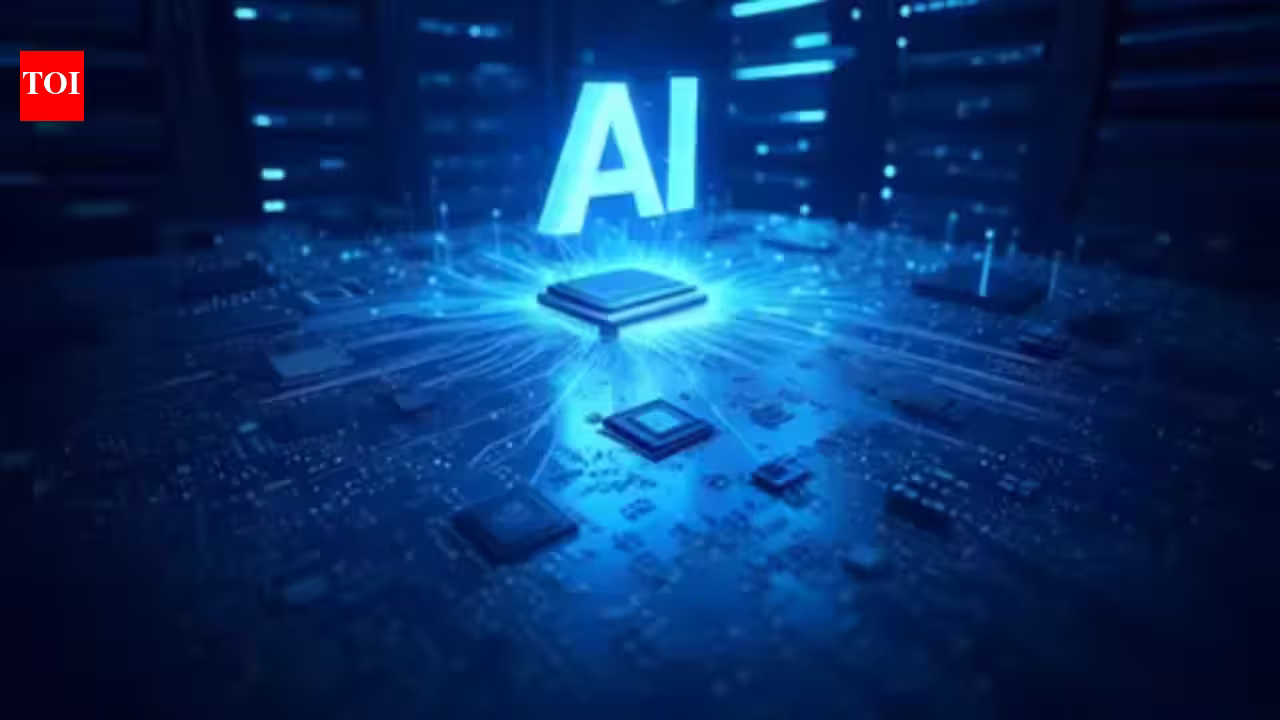
NEW DELHI: In a landmark move toward digital inclusivity, the Indian government is set to dismantle linguistic obstacles that have long hindered citizens from accessing critical social welfare benefits. By leveraging the power of advanced artificial intelligence, the Union government is ensuring that administrative services and support programs become accessible in more than 22 languages, moving closer to the vision of a truly “language-agnostic” digital governance ecosystem.
The initiative stems from a strategic Memorandum of Understanding (MoU) signed between the Digital India BHASHINI Division, operating under the Ministry of Electronics and Information Technology (MeitY), and the Department of Social Justice and Empowerment. The core objective of this partnership is to embed AI-driven language technologies into “SAMAVESH,” the department’s unified digital gateway.
Bridging the Digital Divide
For years, millions of potential beneficiaries across India have struggled to navigate the labyrinth of government portals. Welfare information is often dispersed across dozens of fragmented websites, frequently presented in languages that are not intuitive to the average user.
SAMAVESH was originally created to serve as a single-access point for various social sector schemes and organizational portals. However, the new integration with BHASHINI transforms it from a static repository into an interactive, multi-modal assistant. By incorporating speech-to-text, real-time translation, and document summarization tools, the government aims to ensure that technology serves the last mile of the population, rather than remaining a complex hurdle.
Empowering Users with ‘Samajik Sahayak’
A central feature of this upgrade is the enhancement of “Samajik Sahayak,” a dedicated AI chatbot. Through the integration, this digital assistant will now provide guidance, clarify complex bureaucratic procedures, and answer queries in over 22 languages.
“Our vision is to ensure that language never becomes a barrier to accessing government information and services,” stated Amitabh Nag, CEO of the Digital India BHASHINI Division.
The inclusion of these capabilities means a user in a remote village will be able to converse with the chatbot in their mother tongue to understand eligibility criteria for pension schemes, scholarship programs, or disability support services. The AI will also help simplify jargon-heavy official documents, translating them into easy-to-understand summaries.
A Future-Ready Ecosystem
Beyond the major constitutional languages, the BHASHINI division is actively working to integrate underserved and tribal languages, such as Mizo and Bhili, into the national digital fold. This effort signifies a broader government commitment to democratizing data. By expanding its multilingual AI capabilities to cover text, speech, and even video-based translation, the ministry is building a resilient framework that can evolve with the changing needs of India’s diverse demographics.
The MoU was formally exchanged in the presence of Union Minister for Social Justice and Empowerment, Virendra Kumar, and Minister of State B.L. Verma. As this technology rolls out, it is expected to significantly improve the efficiency of social justice initiatives, ensuring that the fruits of government welfare schemes reach the most deserving citizens without the interference of technological or linguistic friction.
Disclaimer: This content is auto-generated for informational purposes only.
Source: Read Original News