







The Return of Advanced Materials in Mobile Design
The landscape of consumer electronics is poised for a significant shift as reports emerge regarding Apple’s engineering roadmap for its upcoming 20th-anniversary flagship device. According to intelligence provided by industry leaker Fixed Focus Digital, the company is actively testing components crafted from high-grade ceramic for a limited-edition variant of the iPhone 20 Pro. This development marks a potential return to premium material experimentation, echoing Apple’s previous success with ceramic finishes in its wearable technology line.
Ceramic as a material offers a unique set of physical properties that distinguish it from the standard aerospace-grade titanium and chemically strengthened glass currently dominating the smartphone market. While glass is prone to microscopic scratches and titanium is susceptible to surface scuffing over extended use, high-purity technical ceramics are remarkably resistant to abrasion and environmental wear. By incorporating these materials, Apple seeks to create a device that maintains its structural integrity and aesthetic clarity over a much longer product lifecycle.
Engineering Challenges and Material Properties
The transition from mass-produced glass or metal housings to a ceramic enclosure introduces complex manufacturing hurdles. Technical ceramics—specifically zirconia-based compounds—require high-temperature sintering processes that are significantly more time-consuming than standard CNC machining or glass molding. The hardness of the material, while beneficial for daily durability, complicates the machining process, necessitating diamond-tipped tooling and precise thermal management to prevent microscopic fractures during the shaping phase.
The leaked information suggests that Apple is currently navigating the Engineering Validation Testing (EVT) stage of this project. During this phase, engineers assess whether the material can meet the rigorous drop-test standards and signal-transparency requirements expected of a modern smartphone. Unlike metallic surfaces, which can interfere with radio frequency signals, ceramic is radio-transparent, allowing for efficient wireless charging and antenna performance. However, the density and brittleness of ceramic remain a central focus of these trials. If the current components pass these tests, the company intends to move into a low-volume manufacturing run, effectively positioning the ceramic version as a high-tier collector’s item rather than a mainstream mass-market product.
Distinguishing Ceramic Shield from Solid Ceramic
It is vital to distinguish between the proposed solid ceramic housing and the “Ceramic Shield” technology currently utilized in existing iPhones. The current Ceramic Shield technology, present on the front and rear of contemporary models, involves a glass matrix infused with nanocrystalline ceramic particles. This method creates a composite material that offers improved fracture toughness while maintaining the optical clarity required for a display.
The new report implies a departure from this composite approach. Instead, Apple appears to be exploring the application of solid ceramic blocks for the exterior chassis. This would represent a structural evolution rather than a simple screen-coating upgrade. By utilizing a solid ceramic enclosure, the device would offer a distinct tactile experience—often described as cooler to the touch and possessing a higher density than traditional glass—while providing a level of surface hardness that exceeds almost all other mobile device materials currently on the market.
Strategic Positioning of the 20th Anniversary Model
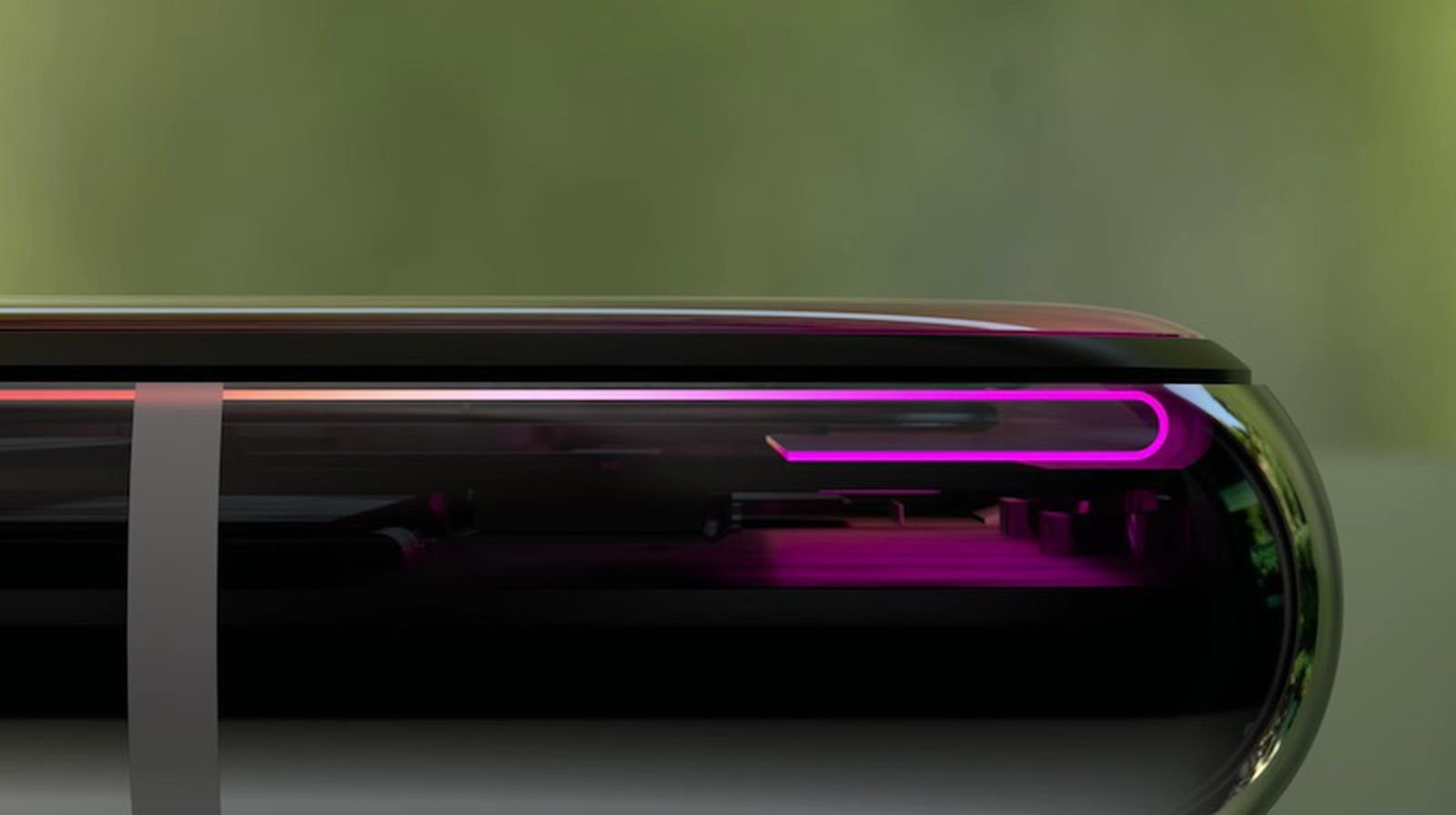
The timing of this potential release coincides with the 20th anniversary of the iPhone, an milestone that invites innovation. Historically, Apple has used major anniversaries to push hardware design boundaries, most notably with the iPhone X. Current projections indicate that the upcoming 2027 series will feature a quad-curved display, pushing the boundaries of edge-to-edge screen design. The integration of a ceramic-backed or ceramic-framed model would serve as a structural anchor for this new visual language.
From a market perspective, the scarcity associated with a limited-edition ceramic model creates a secondary value proposition. Because the manufacturing capacity for such components is inherently lower than that of aluminum or steel, Apple can justify a premium price point. Should these ceramic components prove viable in mass production, they would likely be restricted to a specific “Pro” or “Ultra” tier, ensuring that the device maintains its status as an exclusive hardware showcase.
The Future of Smartphone Durability
The impact of this shift could extend beyond a single luxury model. If the EVT process succeeds and consumers respond to the material’s performance, Apple may standardize ceramic components in future iterations of its core lineup. As smartphone users keep their devices for longer periods, the material longevity of the exterior housing becomes a critical selling point. Ceramic, which does not oxidize, fade, or easily degrade, aligns with a shift toward devices intended for extended use cycles.
Furthermore, this development highlights a broader trend in mobile engineering: the pursuit of material science innovations that offer both physical resilience and a distinct luxury aesthetic. As the industry approaches the physical limits of current glass-and-metal construction, shifting to advanced, sintered ceramics provides a clear path forward for differentiation. Whether this ceramic iPhone reaches the consumer market as a mass-produced standard or a limited-edition rarity, it serves as a testament to the ongoing evolution of device architecture, signaling a future where hardware is defined as much by its metallurgical makeup as by its computational capability.
Disclaimer: This content is auto-generated for informational purposes only.
Source: Read Original News