








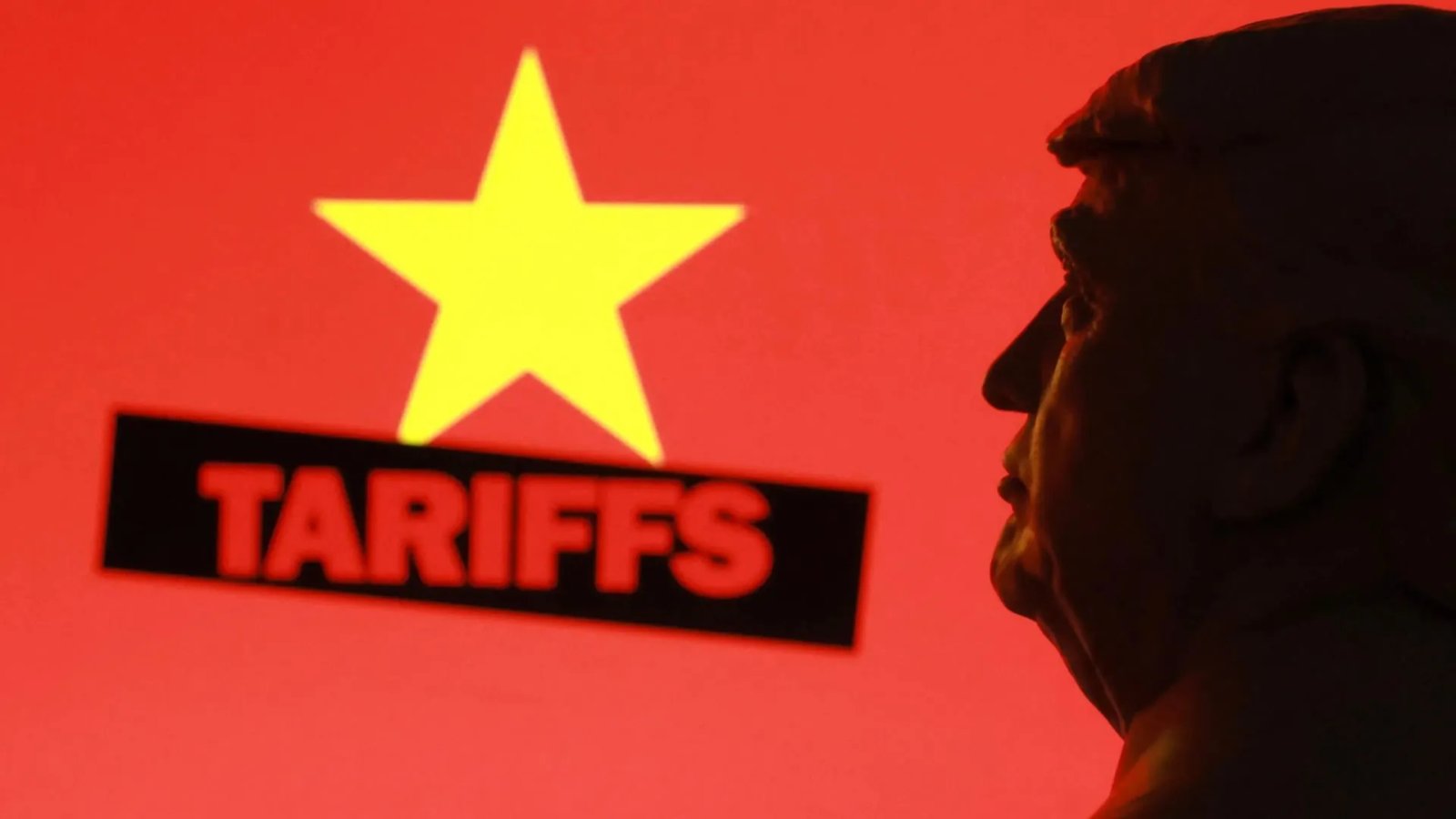
The United States has moved to escalate global trade tensions, announcing new tariffs of up to 20 percent on 14 major trading partners, including China and the European Union. This aggressive policy shift marks a defiant response by the Trump administration following the US Supreme Court’s recent decision to strike down the president’s previous levy measures as illegal.
The move has sent shockwaves through international markets, raising concerns about a fresh wave of protectionism. By bypassing the legal roadblocks set by the judiciary, the White House is signaling a commitment to an “America First” trade strategy that prioritizes domestic manufacturing, even at the cost of strained diplomatic relations with long-standing allies and competitors alike.
Observers are now debating the potential fallout of this policy. In a discussion moderated by Rishaad Salamat, experts weighed in on the geopolitical and economic ramifications. Greg Swenson, a founding partner of Brigg Macadam and chairman of Republicans Overseas UK, argued that the administration views these measures as a necessary recalibration to protect American interests. Conversely, Zichen Wang, deputy secretary-general of the Center for China and Globalization, highlighted the profound uncertainty this creates for Beijing, noting that China is already bracing for the impact on its export-led economy.
Mujtaba Rahman, managing director for Europe at the Eurasia Group, emphasized that the European Union is unlikely to remain passive. “The EU has demonstrated before that it will respond with calibrated, proportionate measures if it feels its industries are being unfairly targeted,” Rahman noted, suggesting that a retaliatory cycle could be imminent.
The central question remains: how effective can these tariffs be if they are once again challenged in the courts? Legal scholars suggest that while the administration has attempted to adjust the legal framework of these new levies to survive judicial scrutiny, the underlying constitutional issues identified by the Supreme Court may remain unresolved.
For the global economy, the timing is precarious. With inflation lingering and supply chains still feeling the pressure of recent geopolitical shifts, the imposition of broad-based tariffs could drive up the cost of consumer goods and industrial components globally. Markets are now waiting to see if China and the EU will seek a diplomatic off-ramp or retaliate in kind, potentially setting the stage for a protracted global trade war.
As of November 26, 2026, the administration has given no indication that it intends to backtrack. Instead, officials maintain that these tariffs are essential for correcting trade imbalances. However, with major trading partners signaling their intent to protect their own markets, the global stage appears set for a period of heightened economic volatility. The world now watches to see if these measures will force a new negotiation or further fracture the international trading system.
Disclaimer: This content is auto-generated for informational purposes only.
Source: Read Original News