








On November 26, 2026, the UK Health Security Agency (UKHSA) released a comprehensive technical synthesis regarding ongoing environmental monitoring surrounding the Grenfell Tower site in North Kensington. This 31-page report represents the latest longitudinal evaluation in a multi-year surveillance program, providing empirical data on air quality and soil contamination that continues to be a critical reference point for urban toxicologists and public health experts.
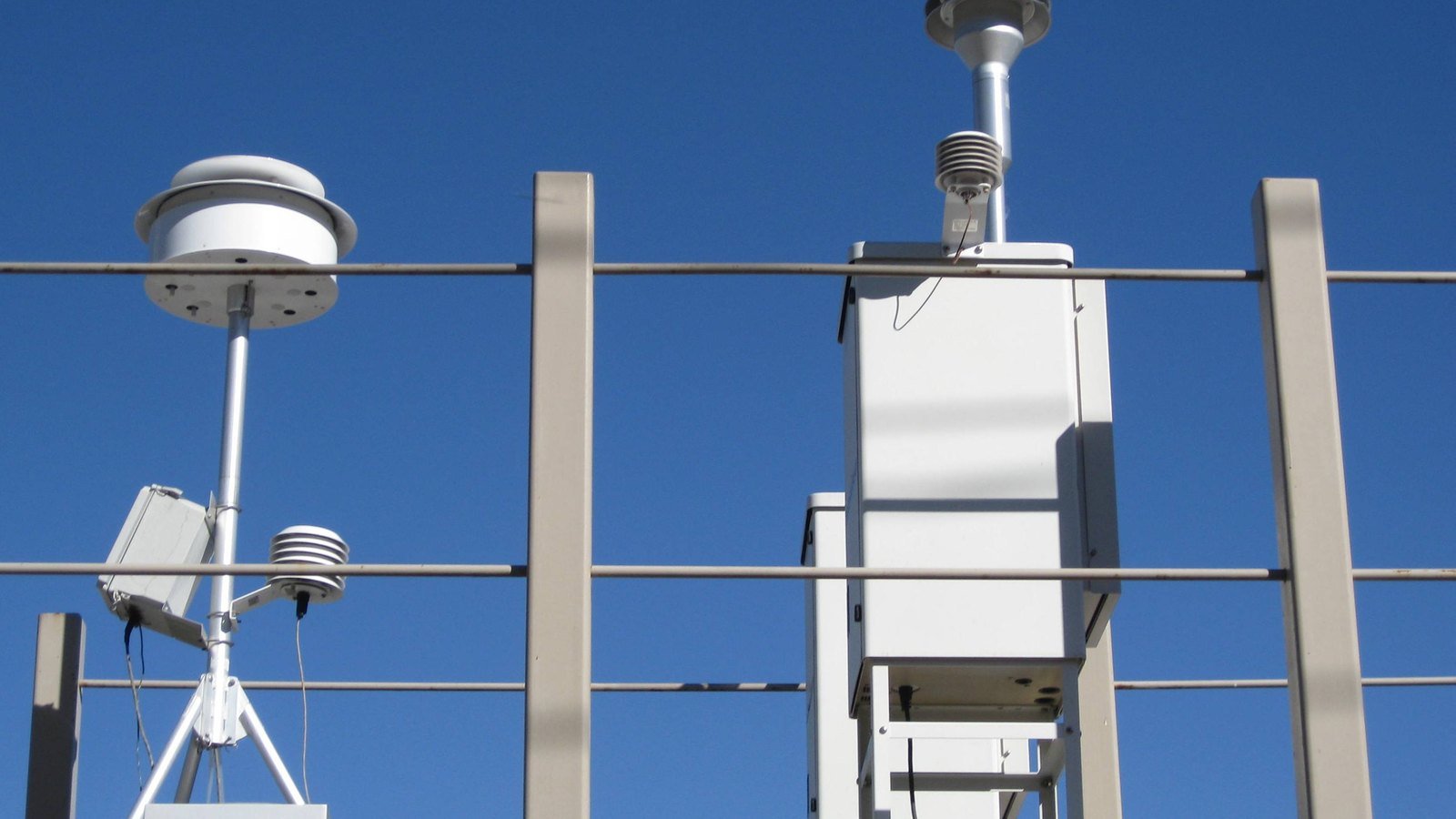
The multi-agency effort, which includes the Environment Agency and the Royal Borough of Kensington and Chelsea, utilizes a tiered analytical framework to distinguish between pyrogenic deposits resulting from the 2017 fire and the historical industrial background levels typical of Greater London. Monitoring efforts are focused on a wide spectrum of pollutants, including fine particulate matter (PM10 and PM2.5), nitrogen dioxide, volatile organic compounds (VOCs), polycyclic aromatic hydrocarbons (PAHs), heavy metals, and asbestos fibres.
According to the UKHSA, data collected through late 2026 confirms that atmospheric concentrations of these substances remain consistent with standard urban background variations. Notably, asbestos fibres have remained below analytical detection limits across all operational filtration samplers. For complex compounds, such as polychlorinated dibenzo-p-dioxins and furans (PCDD/Fs), the agency employed high-resolution gas chromatography coupled with mass spectrometry (HRGC-HRMS). These tests indicate that atmospheric deposition rates are currently low, with residual traces adhering to established ambient health criteria.
The technical rigor of the investigation stems from the complex chemical signature of the 2017 blaze. The rapid combustion of the tower’s architectural cladding—composed of aluminum composite material with a polyethylene core, alongside various insulation materials—produced a dense plume of hydrogen cyanide, flame retardants, and complex soot. While initial dispersion models suggested high thermal buoyancy carried the bulk of the plume northward, concerns over secondary deposition into soil and dust prompted these rigorous, multi-stage assessments. Current soil evaluations are benchmarked against statutory guidelines under Part IIA of the Environmental Protection Act 1990, ensuring that exposure risks—including dermal absorption and dust inhalation—are carefully quantified.
For the academic and research community, the UKHSA report underscores a shift toward more integrated disaster-response science. University research departments, particularly those specializing in environmental chemistry, are now tasked with managing complex, multi-year datasets that demand high levels of laboratory hygiene and stringent data management protocols. The necessity for ISO 17025-compliant audit trails and sophisticated chemical safety software is increasingly evident as research bodies and institutions like Imperial College London continue to track both environmental variables and the longitudinal health of those exposed.
Public health officials have emphasized that the current surveillance provides a vital evidence base, suggesting no elevated inhalation hazard relative to the surrounding metropolitan area. However, community advocacy groups maintain a cautious stance. While acknowledging the current stability of the site, representatives for survivors and bereaved families continue to stress that persistent respiratory issues within the community require sustained clinical attention. They argue that environmental data must be paired with comprehensive, long-term biomonitoring to adequately track delayed health outcomes.
Looking forward, the UKHSA has committed to maintaining continuous, automated monitoring through 2027. These data streams will be instrumental in informing the protocols for future site stabilization and eventual decommissioning. As the area moves toward the development of a permanent memorial, the Environment Agency will continue to oversee strict dust suppression and sediment controls. For the research sector, the Grenfell monitoring project stands as a definitive case study in how interdisciplinary consortia can apply toxicological, atmospheric, and epidemiological methodologies to address the lingering impacts of urban disasters, ensuring that scientific transparency remains at the forefront of the site’s management.
Photo: brewbooks / Wikimedia Commons, CC BY-SA 2.0 (cropped).
Disclaimer: This content is auto-generated for informational purposes only.
Source: Read Original News