






Navigating the Volatility of India’s Equity Landscape
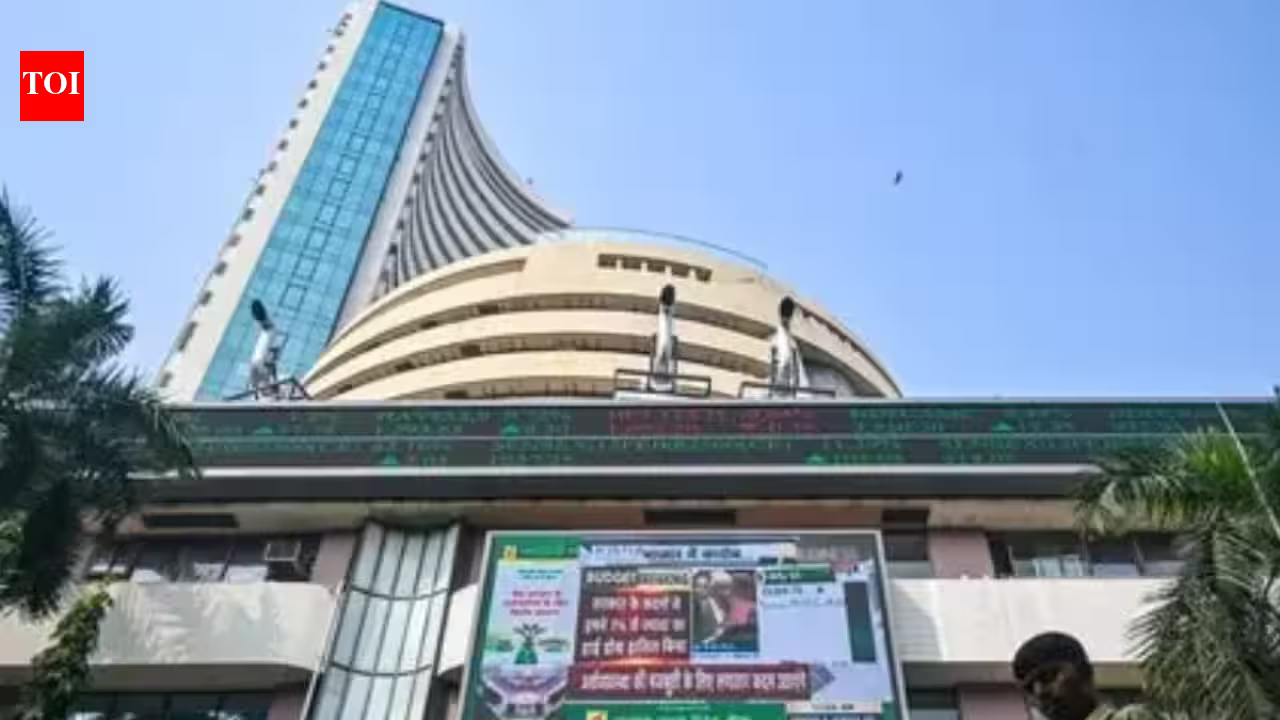
The recent performance of the Indian benchmark indices, the Sensex and the Nifty, provides a compelling case study into the current temperament of the domestic equity market. With the Sensex scaling new peaks and breaching the 84,000-point mark, investors are observing a market characterized by high energy, substantial capital inflows, and an underlying volatility that reflects the complexity of the global macroeconomic environment. This surge, while indicative of robust growth, invites a deeper examination of the forces currently propelling Indian equities to record heights.
The day-to-day fluctuations in the indices reveal a tug-of-war between profit-taking behavior and the momentum driven by sustained institutional appetite. When an index opens with a significant gap up only to slip into negative territory before rebounding, it signals that the market is currently in a phase of price discovery. Investors are reconciling the current valuations with the projected earnings growth of India’s corporate sector. The recent climb to a ten-month high is not merely a statistical achievement; it is a manifestation of India’s positioning as a premier investment destination within the emerging markets framework.
The Dynamics of Institutional Liquidity
The most striking feature of the current market cycle is the remarkable harmony between Foreign Portfolio Investors (FPIs) and Domestic Institutional Investors (DIIs). Traditionally, these two classes of investors have often operated with opposing strategies, but recent data indicates a shift toward synchronized buying. The single-day net inflow of over Rs 11,000 crore, split nearly evenly between domestic and foreign participants, underscores a deep-seated confidence in the Indian growth narrative.
For FPIs, India represents a sanctuary of stability amidst a landscape of slowing growth in other major economies. The consistent monthly inflows, which have surged past the Rs 1.5 lakh crore mark, highlight a structural reallocation of capital toward India. Simultaneously, the resilience of domestic institutions—led by mutual funds and insurance companies—acts as a crucial stabilizer. This influx of domestic liquidity has effectively decoupled Indian markets from extreme global shocks, providing a floor that prevents sharp corrections from turning into sustained bearish trends. As long as this dual-engine liquidity remains active, the market retains the capacity to absorb selling pressure and capitalize on positive sectoral triggers.
Valuation Concerns in a High-Growth Market
As the total market capitalization of companies listed on the BSE crosses the Rs 514 lakh crore threshold, market participants must grapple with the implications of high valuations. The rapid accumulation of wealth for investors—adding Rs 1.5 lakh crore in a single trading session—is a testament to the expansion of the investor base. However, such rapid gains often lead to concerns regarding the “margin of safety” for new investors entering the market at current levels.
From an analytical perspective, the price-to-earnings (P/E) ratios of the benchmark indices are currently trading at a premium compared to their long-term historical averages. This premium is frequently justified by the anticipated expansion in corporate earnings, particularly in the banking, infrastructure, and manufacturing sectors. Yet, the volatility witnessed during recent sessions serves as a reminder that the market is sensitive to valuation fatigue. When indices touch record highs, the incentive for short-term traders to liquidate positions increases, leading to the rapid intraday swings that have become common. Investors are advised to distinguish between structural long-term growth and short-term speculative fervor, ensuring that their portfolios are aligned with fundamental strengths rather than transient price movements.
The Role of Macroeconomic Fundamentals
The upward trajectory of the Sensex and Nifty is supported by a solid macroeconomic foundation. India’s GDP growth remains among the highest globally, bolstered by aggressive government capital expenditure, a strengthening manufacturing sector, and a resilient services industry. Furthermore, the stabilization of inflation metrics and the anticipation of a favorable monetary policy stance by the central bank have provided a conducive environment for equity markets.
The correlation between corporate performance and macroeconomic policy is becoming increasingly tight. As the Reserve Bank of India maintains a balance between growth and price stability, companies are benefiting from improved credit access and reduced cost of capital. Furthermore, the shift in global supply chains, often referred to as the “China Plus One” strategy, continues to favor Indian manufacturing firms. This structural shift is reflected in the market’s enthusiasm for industrial and mid-cap stocks. While the headlines focus on index points, the broader market trend shows that the growth is not limited to a few large-cap companies but is distributed across various segments, indicating a broadening base of economic participation.
Strategic Outlook for Investors
In the face of ongoing volatility, the most effective strategy for the individual investor involves a disciplined approach to asset allocation. The current market environment rewards those who remain invested through the cycles rather than those who attempt to time the peaks. Given that the market is now trading at record highs, the risk of a temporary correction is inherent. However, the consistent institutional buying suggests that any such dip is likely to be viewed as an entry point rather than a signal of a structural breakdown.
Investors should focus on firms with strong balance sheets, high corporate governance standards, and clear visibility of future earnings. The “buy and hold” methodology, supported by systematic investment plans (SIPs), remains the most reliable vehicle for navigating the current landscape. As the Indian market continues to evolve, its increasing depth and participation will likely lead to greater maturity, eventually resulting in lower volatility over the long term. For now, market participants should remain cognizant of external risks, such as shifts in global interest rates or geopolitical tensions, while maintaining confidence in the domestic growth trajectory that continues to drive the indices toward higher ground.
In summary, the recent performance of the Indian bourses is a reflection of a vibrant, liquidity-rich market that is underpinned by a robust domestic economy. While the volatility requires careful navigation, the structural indicators remain firmly in favor of continued growth, provided that investors maintain a focus on fundamental value rather than short-term price action.
Disclaimer: This content is auto-generated for informational purposes only.
Source: Read Original News