






Navigating the Evolving Landscape of Indo-US Trade Relations
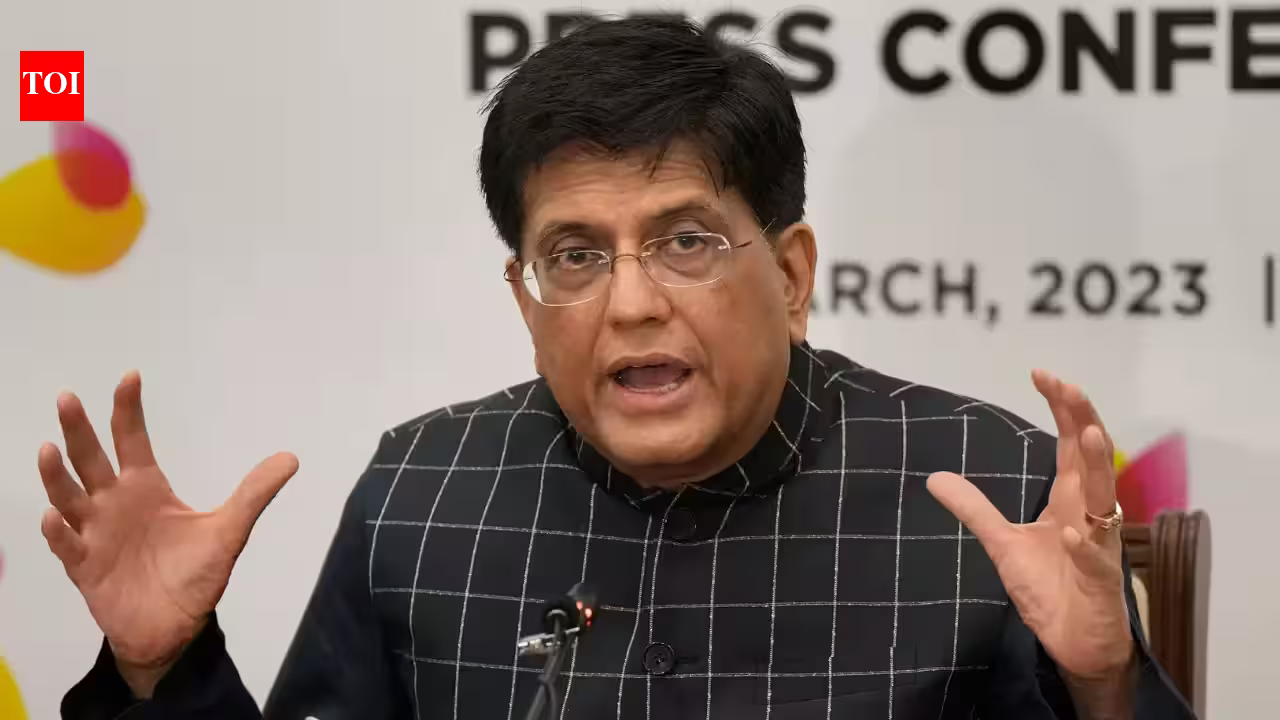
The current state of global commerce is defined by fluidity and complex diplomatic maneuvering. As the United States recalibrates its international trade stance through aggressive tariff policies, India finds itself at a critical juncture. Commerce Minister Piyush Goyal recently indicated that a comprehensive trade deal with the US is nearing completion, offering a glimmer of stability amidst recent tensions sparked by proposed additional tariffs. For the Indian export sector, which considers the US its largest trading partner with annual exports exceeding $90 billion, this development is pivotal.
The proposed imposition of a 25% additional tariff on Indian goods by the US Trade Representative has placed the government in a delicate position. This move follows a series of investigations under Section 301, a trade tool that allows the US to impose duties on countries deemed to have unfair trade practices. The US offer to reduce these tariffs to 17% contingent upon a signed trade agreement suggests a transactional approach to diplomacy. For India, the challenge lies in balancing the need for market access against the imperative of protecting domestic manufacturing sectors from sudden, potentially restrictive fiscal policies.
The Strategic Importance of the Indo-US Economic Corridor
The United States represents more than just a destination for Indian exports; it is the cornerstone of India’s external trade strategy. With bilateral trade volumes scaling new heights, the relationship serves as a primary engine for India’s foreign exchange earnings and employment generation across sectors like information technology, pharmaceuticals, and textiles. However, the recurring pressure from tariff threats creates an environment of uncertainty that can hinder long-term investment planning.
From an analytical standpoint, the Indian government has maintained a disciplined posture, choosing to engage through formal diplomatic channels rather than engaging in retaliatory rhetoric. By focusing on the structural components of an Free Trade Agreement (FTA), India aims to secure long-term concessions that provide a comparative advantage over competitors such as Vietnam, Bangladesh, and China. The objective is to transition from a relationship defined by periodic tariff friction to one grounded in a predictable, rules-based framework that encourages sustained growth in capital flow and service exports.
Analyzing the Impact of Section 301 Investigations
The invocation of Section 301 by the United States is not a novel phenomenon, but its application in the current geopolitical climate carries significant weight. Investigations targeting multiple nations signal a broader protectionist shift in Washington. For Indian businesses, the primary concern is the potential erosion of price competitiveness. If an additional 25% duty were applied, Indian exporters would struggle to maintain margins in a market that is already highly price-sensitive.
Government officials, including Commerce Secretary Rajesh Agrawal, have adopted a pragmatic approach, emphasizing that India is currently examining the draft notifications and preparing a comprehensive response. This methodology is crucial for Indian industries. By engaging in the hearing process rather than making hasty public declarations, the Ministry of Commerce and Industry ensures that India’s specific manufacturing nuances and local value-addition metrics are presented accurately to US regulators. This evidence-based diplomacy is the first line of defense in mitigating the impact of these proposed tariffs.
Competitive Positioning and the Quest for Market Advantage
India’s aspiration to become a global manufacturing hub requires it to compete with nations that currently enjoy lower cost structures or more favorable tariff regimes. The proposed trade deal is being framed not merely as a way to avoid duties, but as a strategic mechanism to secure a permanent competitive edge. If India can secure a preferential tariff rate, it would create an incentive for multinational corporations to shift supply chains away from Southeast Asia toward India.
The domestic focus remains on the “Make in India” initiative. For the trade deal to be considered a win-win, it must facilitate easier entry for Indian manufactured goods while simultaneously ensuring that India’s internal industrial policies remain robust. There is a growing consensus among business leaders that India must focus on product quality and compliance standards to meet US benchmarks, thereby insulating domestic industries from the fluctuations of US internal politics. By aligning domestic output with the high-compliance needs of the American market, India reduces the vulnerability of its export basket to recurring trade investigations.
Moving Toward a Rules-Based Future
As the trade talks enter their final phase, the priority is to codify the agreement in a way that respects the sovereignty of both nations while fostering economic interdependence. The “flip-flops” and inconsistencies that have characterized recent US tariff policy serve as a reminder that India must seek ironclad, long-term commitments. A trade deal that provides legal certainty for exporters is far more valuable in the current climate than short-term relief from specific duties.
The Indian approach represents a departure from reactive policy-making. By insisting on a mutually beneficial outcome, the commerce ministry is signaling to global investors that India is a reliable and serious player in the global supply chain. The road to finalizing this deal will undoubtedly require intense negotiations, particularly regarding sensitive sectors where the US may demand greater access to the Indian market. However, the progress reported by the ministry suggests that the administrative groundwork is complete, and the focus has shifted to the final, high-level political settlement.
The Outlook for Indian Businesses and Global Integration
In the broader context of the Indian economy, the successful culmination of these talks would serve as a catalyst for deeper integration with the global economy. As India seeks to achieve its ambitious export targets, the stability offered by a formal trade pact with its largest partner would provide the necessary confidence for domestic industries to scale operations. The ongoing dialogue demonstrates that despite the complexities of the current international environment, India is capable of navigating adversarial trade pressures while protecting its core interests.
Ultimately, the goal is to foster a relationship where trade is driven by market dynamics rather than geopolitical tension. For Indian enterprises, the lesson from this ongoing process is clear: diversification of export markets and an unwavering focus on global quality standards are the best protections against tariff-heavy trade environments. As the final notifications from the US are awaited, the Indian government’s calculated and professional engagement offers a template for how emerging economies can defend their interests while remaining committed to global trade expansion. The forthcoming months will be a test of this diplomatic resilience and a defining moment for the future of Indo-US commercial ties.
Disclaimer: This content is auto-generated for informational purposes only.
Source: Read Original News