









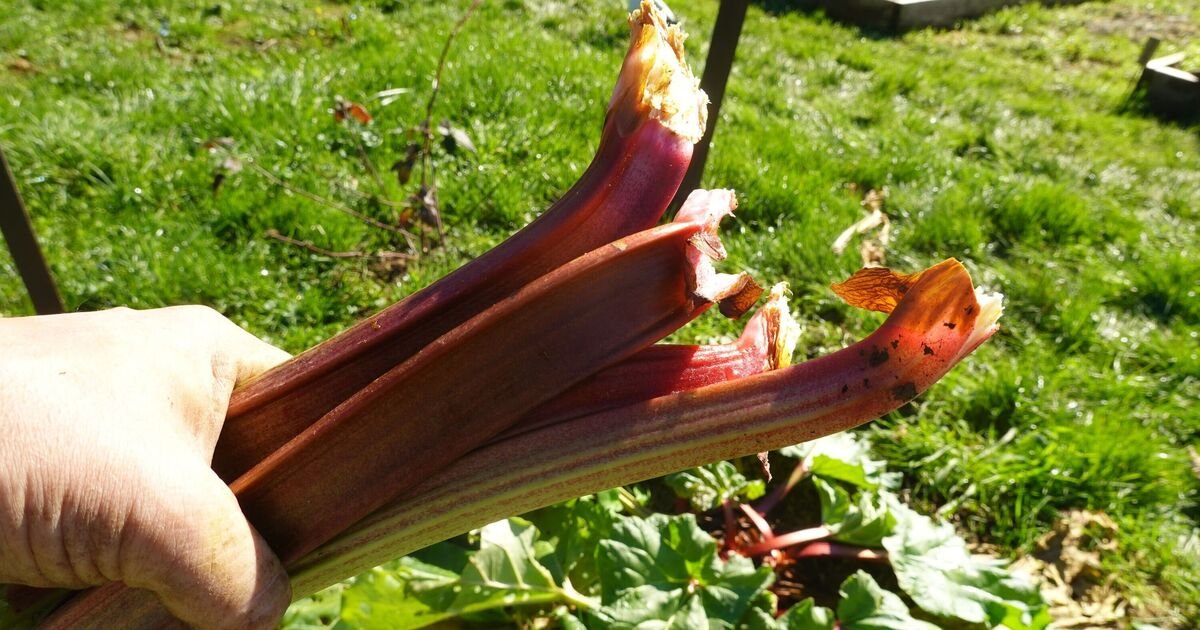
Why Your Rhubarb Needs a Winter Refresh
There is something deeply satisfying about growing your own food, especially when that crop is as reliable and long-lasting as rhubarb. If you are lucky enough to have a rhubarb patch in your backyard, you might be used to it simply showing up year after year without much fuss. However, even the most resilient plants eventually need a little help to keep performing at their peak.
If your once-thriving rhubarb patch has started looking a bit tired, with thinner stalks and less vigor than it had in previous seasons, it is not a sign that you have lost your green thumb. It is simply a signal that your plant has become a bit too comfortable in its space. After about five or six years, rhubarb crowns can become congested, leading to a decline in productivity. The solution is not to replace the plant entirely, but to perform a bit of seasonal maintenance: dividing the crown. This process breathes new life into the plant, ensuring you get those delicious, tart stalks for years to come.
Mastering the Art of Timing
The best time to tackle this job is while the plant is resting. Think of late autumn and early winter as the plant’s nap time. As the cold sets in, rhubarb enters a state of dormancy, making it the perfect window to perform surgery on the roots without causing unnecessary stress.
While you can technically divide your rhubarb anytime from now through February, November is widely considered the sweet spot. The ground is usually still workable before the deep freeze sets in, and the plant is fully settled for the winter. By getting this task done now, you are setting the stage for a much more productive harvest when the weather eventually warms up. It is a classic example of doing a small amount of work today for a significant payoff down the road.
Getting Your Hands Dirty
If the idea of digging up and splitting your plants feels a bit daunting, try to keep in mind that rhubarb is surprisingly tough. You will need a sturdy, sharp spade for the job. Start by digging carefully around the perimeter of the plant, working your way underneath to lift as much of that thick, woody root system as you possibly can.
Once you have the crown unearthed, take a moment to inspect it. Look for those large, prominent buds at the top of the root. These are the “eyes,” and they are the secret to your success. Using your spade, split the crown into three or four separate chunks. The goal is to ensure each new section has at least one healthy eye. It might feel a little aggressive to chop into a plant you have cared for, but rest assured that each segment will recover beautifully as long as that essential eye is intact.
Setting Up for Future Success
Once you have your divisions, clear away any bits of the root that look decayed or weak. You are only interested in the strongest parts of the plant. When you are ready to replant, pick a sunny spot with well-drained soil. Give each new piece about 90 centimeters of space; this might seem like a lot when the plants are small, but they will thank you for the room to spread out once spring arrives.
To keep track of your new patches, pop a cane into the soil next to where you have placed the roots. This prevents you from accidentally digging them up or stepping on them during your general garden chores over the coming months. Give the new transplants a good, thorough soaking with water to help them settle into their new homes.
The Patience Factor
The final, and perhaps most important, piece of advice is to practice a little bit of patience. While it is tempting to jump straight back into making crumbles and pies, it is best to leave your newly divided plants alone for the first growing season. Allowing them a year to focus on building up their strength and root reserves will pay dividends in the long run. By the following year, you can begin a light harvest, and by the year after that, your rhubarb patch should be back to its productive, reliable self. This gentle cycle of care ensures that your garden remains a source of fresh, homegrown goodness for many seasons to come.
Disclaimer: This content is auto-generated for informational purposes only.
Source: Read Original News