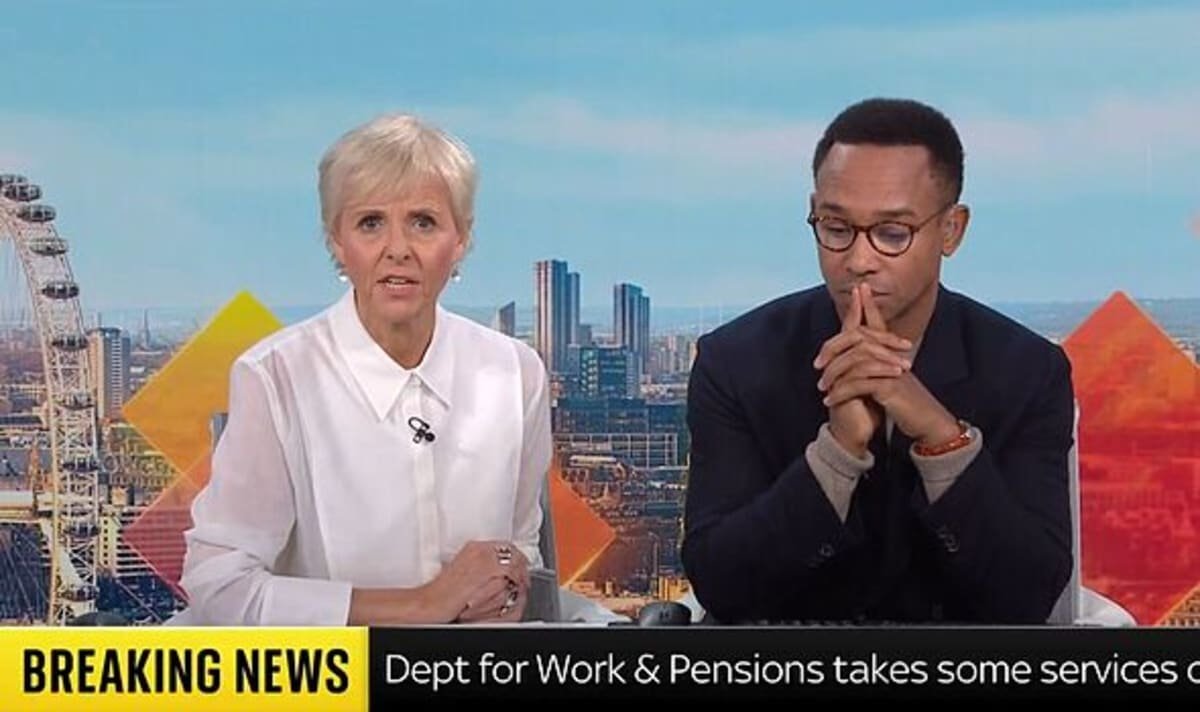










The Department for Work and Pensions (DWP) has taken a series of precautionary measures by pulling select online services offline, following concerns over potential cyber threats. The move, described by security experts as a necessary tactical step to mitigate risk, comes as the department works to secure its infrastructure against evolving digital vulnerabilities.
This “pull the plug” strategy—temporarily disconnecting systems to prevent unauthorized access—has become an increasingly common response for organizations facing modern cyber threats. The move mirrors industry-wide reactions seen during recent global security scares, such as the PHP vulnerability incident last month, where organizations globally took systems offline to patch critical flaws before they could be exploited by malicious actors.
Trevor Dearing, a senior director of critical infrastructure at the cybersecurity firm Illumio, commended the DWP’s decisive action. He emphasized that the primary success of this operation is the department’s ability to keep vital benefit and pension payments moving despite the technical disruption.
“The DWP has done the right thing by acting quickly,” Dearing stated. “The reality we’re facing at the moment is that switching off services temporarily is how organizations try to stop an attack from escalating. People—and the public at large—will have to get used to the fact that this is becoming a standard operational procedure for security.”
However, while the immediate risk management is sound, experts warn that the necessity of such drastic measures highlights a systemic fragility within the public sector. Dearing pointed out that government networks are massive, highly interconnected, and often reliant on complex, aging legacy systems. Because of this complexity, security teams often lack the visibility to know exactly how far an attacker may have penetrated a network, leaving total disconnection as the only foolproof method to contain a breach.
“Public sector networks are huge, interconnected, and full of legacy systems,” Dearing explained. “When you can’t be sure how far an attacker has moved, the only safe option is to pull the plug.”
While the DWP’s current strategy is effective at stopping an attack from getting worse, industry analysts argue it cannot be the permanent state of affairs. As millions of citizens depend on the DWP for essential financial support, the goal for future infrastructure design must shift toward greater resilience and more granular control.
“The longer-term goal should be tighter controls,” said Dearing. “Millions rely on DWP services, and the objective must be that an attack happens, yet the public doesn’t notice. We need to move toward a state where security is so embedded that the service remains continuous, even under pressure.”
For now, the DWP continues to manage its systems cautiously, prioritizing the protection of user data and the integrity of the benefits system while working to resolve the underlying security concerns.
Disclaimer: This content is auto-generated for informational purposes only.
Source: Read Original News