


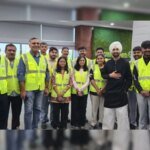



In the quiet, rugged expanse of the Javvadhu Hills, cinema is rarely a communal experience. For many residents of this remote region in Tamil Nadu, the flickering lights of a movie theater are a distant concept, an urban luxury separated from their daily struggles by miles of difficult terrain and economic hardship. However, the recent special screenings of Dhanush’s latest high-octane project, O.M: Operation Mole, have shattered that isolation, bringing a wave of raw, unfiltered emotion that has rippled far beyond the silver screen.
While most cities discuss O.M in terms of box office numbers and star power, for the people of Javvadhu Hills, the film is a mirror. It is a haunting, cinematic reflection of a tragedy that scarred their community nearly a decade ago, forcing them to relive the ghosts of a day that never truly ended for them.
A Reckoning with the Seshachalam Tragedy
To understand the visceral reaction of the audience in Javvadhu Hills, one must look back to the dark chapter of 2015. In the dense Seshachalam forest belt of Andhra Pradesh, an event unfolded that would forever alter the lives of dozens of families in Tamil Nadu. A specialized Red Sanders Anti-Smuggling Task Force engaged in an operation that resulted in the deaths of twenty individuals.
The human cost of that day was disproportionately felt in the Tiruvannamalai district. Of the twenty lives lost, twelve were residents of the Javvadhu Hills. These were not just statistics; they were fathers, sons, and breadwinners. For years, the community has carried the weight of that loss, often feeling like an overlooked footnote in a larger state narrative. When director Rajkumar Periasamy chose to weave the thematic threads of such a sensitive, real-life encounter into O.M: Operation Mole, he wasn’t just making a film—he was opening a wound, but also, in the eyes of the villagers, finally validating their pain.
Echoes of Trauma and Truth
The atmosphere at the special screenings was heavy, marked by a profound silence that speaks louder than any critical review. One attendee, a woman who lost family members in the 2015 incident, was visibly moved as she exited the theater. Her words cut through the polished exterior of the film’s marketing campaign: “Our own family members also died in the encounter. We could relate to the pain in the movie; that’s why we loved it.”
This sentiment was echoed across the village. For a community that has lived in the shadow of this tragedy, seeing their reality treated with gravity—rather than sanitized or ignored—provided a strange, cathartic relief. Another elderly woman, watching the proceedings with tear-filled eyes, offered a simple but profound critique of the storytelling: “All incidents shown in the film are true.” It is the ultimate seal of approval for a filmmaker, but it also underscores the responsibility that comes with dramatizing real-world suffering.
Bridging the Gap Between Screen and Soil
Beyond the trauma, there was a sense of empowerment felt by the local community. For many in the Javvadhu Hills, the logistics of modern life often exclude them from mainstream cultural moments. One villager remarked on how the screening served as a milestone for his community. He spoke of neighbors who had never once stepped foot in a cinema, people whose lives were defined by labor and the harsh realities of the hill country.
“Now they got a chance to enter it,” he said, reflecting on the bridge the film’s production team built between the glamorous world of the film industry and the rugged reality of his home. By bringing the film to them, the production house turned a private screening into a public acknowledgment. It was a rare instance where the entertainment industry did not just take from a community’s tragedy for content, but engaged with the people who lived it.
The Production Team’s Quiet Outreach
The producers of O.M: Operation Mole documented these moments, sharing a video on November 26 that captured the candid, unscripted reactions of the villagers. The footage is a stark reminder that beneath the hype and the presence of superstars like Dhanush, Mammootty, Sai Pallavi, and Sreeleela, there is a human story that resonates at a frequency the rest of the country is only just beginning to hear.
This outreach was not limited to the hills. Fans of Dhanush in places like Pattukottai took the initiative to organize screenings specifically for nomadic tribal villages, greeting attendees with sweets and warmth. It transformed the release of a film into an act of community building. While the film’s ensemble cast—including industry legends like Naseeruddin Shah—ensures its commercial appeal, it is this grassroots connection that has cemented O.M as a landmark project for the marginalized communities involved.
Cinema as a Catalyst for Memory
Under the precise direction of Rajkumar Periasamy, with an evocative soundscape by Sai Abhyankkar, O.M: Operation Mole has become more than just a piece of commercial entertainment. It has become a vessel for collective memory.
In an era where cinema is often criticized for being detached, or worse, exploitative of real-world suffering, the reception in Javvadhu Hills offers a different perspective. It suggests that when a film is willing to engage with the uncomfortable truths of a region’s history, the audience response is not just one of consumption, but of shared recognition. The tears shed by the residents of Javvadhu Hills were not just for the characters on screen; they were for the brothers, the fathers, and the neighbors they lost in 2015. Through O.M, they found that even in the dark of the theater, they were finally being heard.
Disclaimer: This content is auto-generated for informational purposes only.
Source: Read Original News