








Following the successful autumn launch of the iPhone 18 Pro and the iPhone Duo, Apple is preparing to expand its 2027 hardware lineup. According to recent reports, the technology giant will introduce three additional models in early 2027—specifically targeting a February or March release window. These upcoming devices, the iPhone 18, iPhone 18e, and the second-generation iPhone Air, represent a strategic mid-cycle expansion of Apple’s mobile portfolio.
Refined Performance with the iPhone 18
The standard iPhone 18 is expected to retain the established industrial design of its predecessors, as Apple shifts its focus toward iterative internal hardware improvements rather than radical external shifts. While the device will lack the sophisticated camera arrays and vapor chamber thermal management systems found in the Pro series, it is slated for significant performance gains.
At the heart of the device will be the new A20 system-on-chip (SoC). This processor promises higher computational speeds and increased power efficiency. The transition to the A20 is also expected to be accompanied by a boost in random access memory (RAM), ensuring smoother multitasking and better compatibility with future operating system requirements. Additionally, early hardware reports suggest that battery capacity will see an increase, addressing one of the most common user demands for the standard model. The ambiguity surrounding the cellular modem—specifically whether Apple will continue using Qualcomm hardware or move to the proprietary C2 modem—remains a focal point for industry analysts tracking supply chain transitions.
The Accessible Path with iPhone 18e
Targeting the entry-level segment, the iPhone 18e is being positioned as a more potent alternative to previous budget-friendly models. Reports indicate that the hardware gap between the standard iPhone 18 and the 18e will shrink significantly this year. Both models are expected to utilize the A20 chip and receive upgrades to their battery systems.
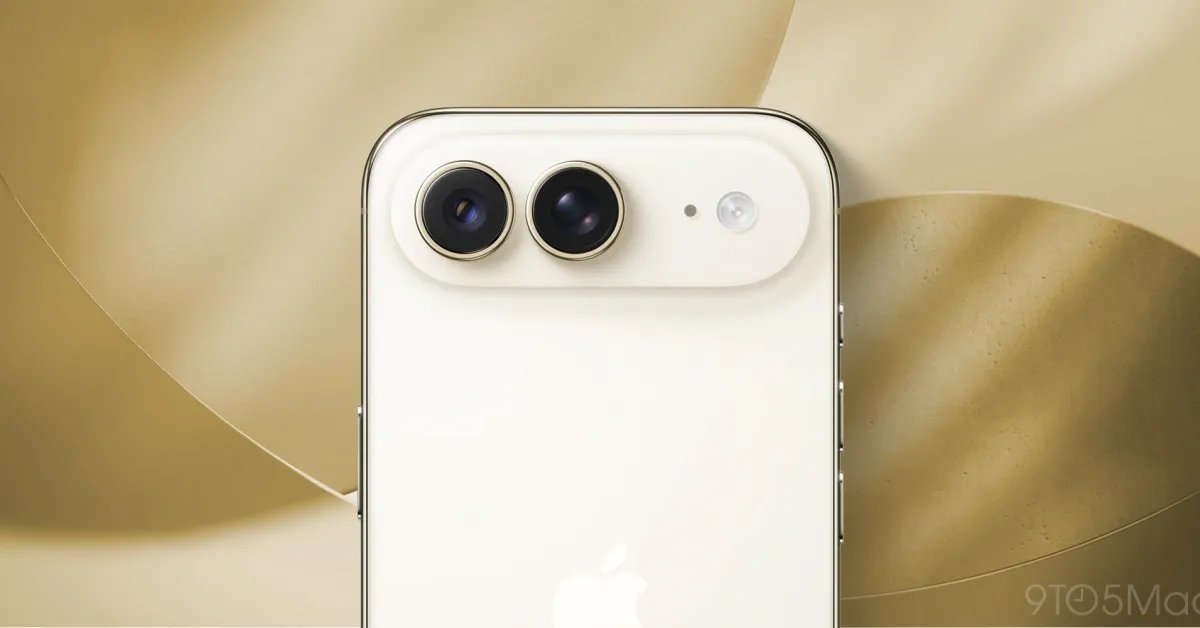
A notable hardware shift for the 18e is the expected transition to a 6.3-inch display, offering more screen real estate than the compact models of the past. While this model will likely forgo ProMotion technology, maintaining a 60Hz refresh rate, it may adopt premium features like the Dynamic Island. Furthermore, recent leaked CAD designs hint at a modified, potentially larger camera housing on the rear. This design change suggests that while the 18e will not feature the triple-lens arrays of the Pro, its singular or dual-camera system could receive sensor upgrades to improve low-light performance and image processing capabilities.
Evolution of the Ultra-Thin iPhone Air 2
The original iPhone Air was a experiment in portability, but user feedback highlighted specific shortcomings regarding its camera functionality and endurance. The upcoming iPhone Air 2 aims to correct these pain points by integrating an Ultra Wide camera, effectively reaching parity with the base model in terms of photographic versatility.
Beyond the imaging capabilities, the second-generation Air is expected to receive internal improvements that facilitate longer battery life without compromising the device’s slim profile. The introduction of the A20 Pro chip, likely adjusted to have one fewer GPU core than the version found in the iPhone 18 Pro, will provide high-end performance in an ultra-portable form factor. By addressing the primary criticisms of the first-generation model, Apple is positioning the Air 2 as a more practical choice for power users who prioritize weight and aesthetics over the heavy-duty feature sets of the high-end Pro line.
Strategic Market Positioning and Impact
The release of these three devices in the first quarter of 2027 indicates a shift in Apple’s release strategy. By separating the launch of these models from the annual September cycle, Apple can keep its product lineup fresh throughout the year, better competing with regional smartphone manufacturers that favor rapid, diversified release cadences.
This mid-year refresh strategy helps maintain consumer interest during what is historically a quieter period for mobile hardware sales. The inclusion of the A20 chip across all three models ensures that even the most budget-conscious users are provided with a processor capable of handling the latest artificial intelligence features and software optimizations. For users, the primary impact is a greater variety of hardware configurations, allowing for a more precise alignment between a customer’s specific needs—whether those be photography, portability, or affordability—and the available hardware.
Technical Expectations for the 2027 Ecosystem
Looking ahead, these launches serve as a bridge to the next generation of Pro and Duo models, which are expected to arrive in the fall of 2027. The integration of the A20 platform and potential advancements in cellular connectivity will likely influence the software requirements for the next major iOS update. As Apple moves to standardize the internal architecture across its mid-range and entry-level phones, it simplifies the software development process, ensuring that the entire active install base can access similar system-wide functionalities. For the industry, these developments confirm that Apple remains committed to iterative hardware growth, prioritizing efficiency and longevity over rapid, experimental shifts in design.
Disclaimer: This content is auto-generated for informational purposes only.
Source: Read Original News