







On 28 November 2026, the UK Department for Environment, Food and Rural Affairs (Defra) and the Environment Agency announced the project allocations for the Water Environment Improvement Fund (WEIF) for the 2026 to 2027 financial year. The initiative commits £11 million to over 300 catchment restoration schemes across England, marking a significant step in the government’s efforts to reverse the degradation of the nation’s river systems.
Central to this year’s funding package is the application of the “polluter-pays” principle. Nearly £6 million of the total budget is derived directly from enforcement fines and penalties levied against commercial water companies for sewage pollution and environmental permit breaches. By ring-fencing these funds—diverting them away from central Treasury accounts and into local ecological repair—the government aims to ensure that environmental damage is met with tangible restoration efforts.
The portfolio of projects is expansive in both scope and geography, targeting the improvement of over 1,300 kilometres of river corridors and the restoration of more than 800 hectares of natural habitat. Furthermore, the initiative includes the planting of over 100,000 riparian trees, which are essential for stabilizing riverbanks, attenuating flood risks, and providing the thermal shading necessary for freshwater wildlife survival.
The delivery model for the WEIF is highly decentralized, relying on a partnership-led approach that leverages the expertise of regional Rivers Trusts, wildlife charities, local authorities, and academic institutions. In Surrey, the National Trust has been awarded £49,000 to bolster the Wey Water Vole Recovery project, a scheme that combines large-scale habitat restoration with advanced environmental DNA (eDNA) surveillance. Similarly, in the North East, Groundwork North East and Cumbria secured £165,000 for the Newburn Estuary Edge Improvements, which utilizes engineered brushwood barriers to facilitate saltmarsh regeneration.
These projects are critical to meeting statutory obligations under the Water Environment (Water Framework Directive) Regulations 2017, which mandate that surface water bodies achieve “Good Ecological Status.” With current data suggesting that only 16% of English rivers meet this standard, the WEIF provides the necessary capital to address issues such as agricultural runoff and physical river modifications.
Environment Secretary Dame Angela Eagle underscored the importance of the new funding mechanism, stating, “For too long, water companies have got away with polluting our environment, but now the polluter will pay. We are overhauling the system to make sure it works for local communities, and this funding means money from fines goes straight back into restoring the rivers and waterways they care about.”
The program also opens significant avenues for academic researchers in freshwater ecology and environmental data science. As non-profit trusts lead construction efforts, university research teams are increasingly taking the lead on baseline impact assessments and long-term monitoring. For these teams, adhering to FAIR (Findable, Accessible, Interoperable, and Reusable) data principles is a key requirement, ensuring that the ecological data generated from these interventions can be integrated into national monitoring portals and open-access repositories.
Looking ahead, the government is preparing to further solidify these changes through the upcoming Water Bill. This legislation is expected to establish statutory Regional Water Councils, providing local stakeholders with a formal, permanent role in scrutinizing water companies and setting regional river priorities.
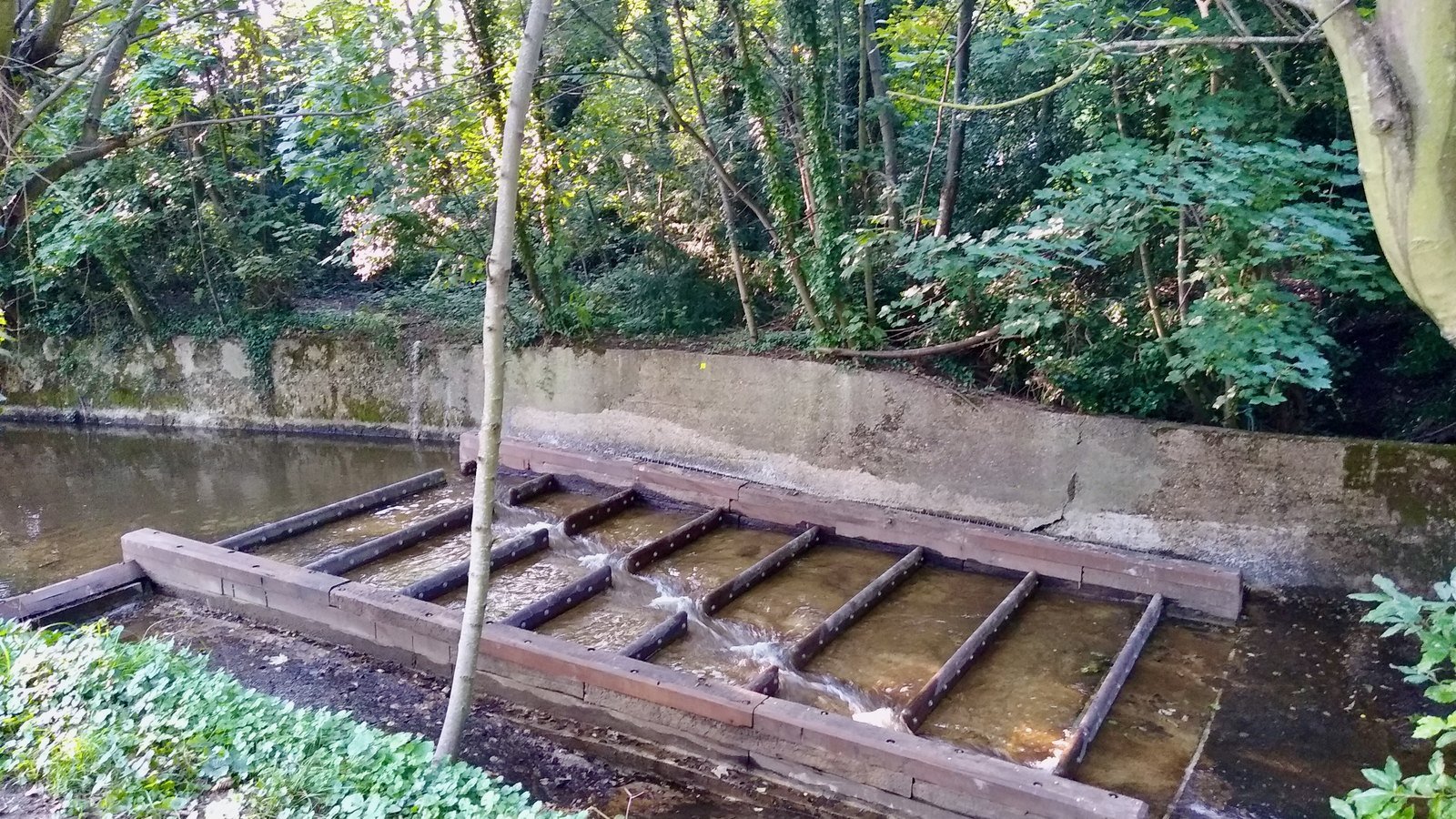
Physical works, including weir easing and fish pass construction, are scheduled for the summer and autumn of 2026 to coincide with low-impact windows, while riparian planting will proceed during the winter months. By connecting financial accountability with community-led restoration, the 2026 to 2027 WEIF cohort represents a strategic attempt to align regulatory enforcement with the urgent need for biodiversity recovery in England’s freshwater habitats.
Disclaimer: This content is auto-generated for informational purposes only.
Source: Read Original News