






In the heart of Finland, a growing grassroots movement is challenging the status quo of urban pollution. The Puhdas Päijät-Häme network, a community-led initiative based in Lahti, has transformed the act of cleaning up city streets into a powerful symbol of environmental stewardship and civic engagement. Since its inception in the summer of 2019, the group has moved beyond simple waste collection, fostering a deep, reciprocal relationship between local citizens and the natural environment.
The network began with a small group of friends who recognized a simple truth: environmental change starts with community connection. Their first outing, during the autumnal Environment Village event, saw the group launching a litter-picking tour of Lahti’s city center. The initiative quickly gained scientific significance when the team began collaborating with a local university professor, collecting plastic samples to aid in ecotoxicology studies. By bridging the gap between volunteerism and academic research, Puhdas Päijät-Häme has demonstrated that local actions can contribute to global data.
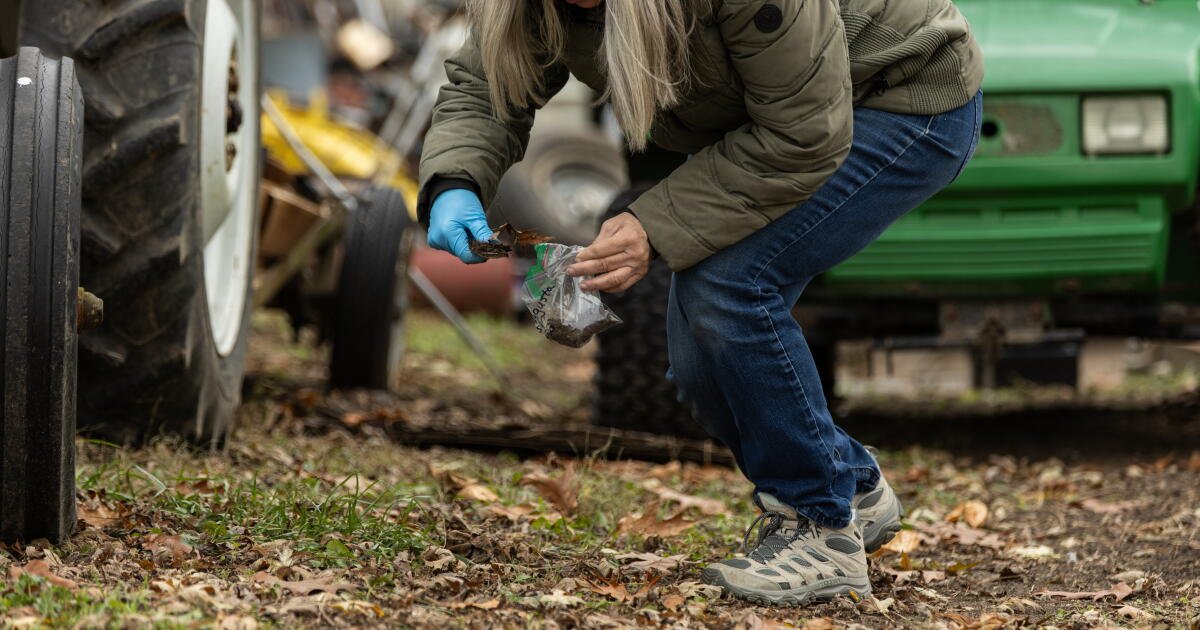
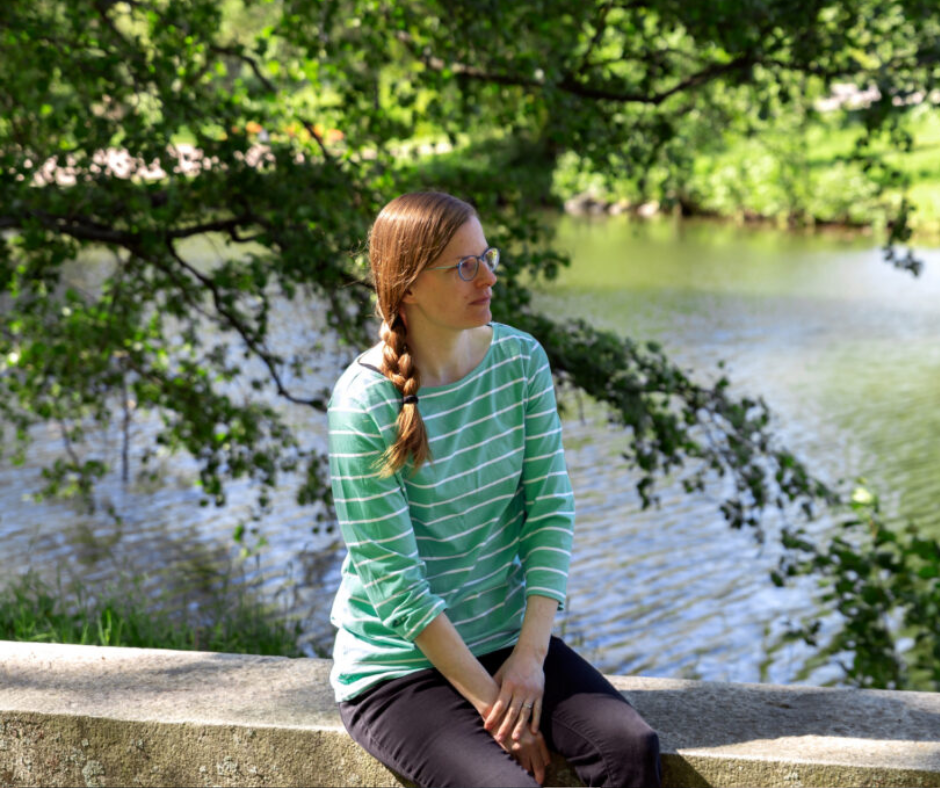
For Riikka-Liisa Aalto, a leading figure in the network, the mission is deeply personal. “The earth is our shared home,” she explains. “When waste ends up in nature, it eventually ends up inside us.” Aalto emphasizes that the seemingly mundane task of picking up cigarette butts and single-use coffee cups is a defense against chemical infiltration. Cigarette butts, often overlooked by the public, are consistently ranked among the top ten most common plastic items found on beaches across the European Union, leaching dangerous chemical compounds into the ecosystem.
The scope of the problem is vast, with single-use plastics accounting for 50% of marine litter in the EU. In response, the European Commission has implemented a comprehensive plastics strategy, which mandates that all plastic packaging in the EU market be reusable or recyclable by 2030. This strategy aims to curb the proliferation of microplastics and significantly reduce the carbon footprint of the plastics industry. However, as the members of Puhdas Päijät-Häme have learned, policy shifts must be met with cultural shifts.
To Aalto, litter-picking is not a chore but a form of meditative practice, akin to foraging in the forest. It is a way of paying back the benefits nature provides. This perspective is being passed down to the next generation; Aalto’s three-year-old child is already an active participant. Aalto advocates for a national litter education campaign, noting that children often possess a heightened awareness of their surroundings that adults, having become “blind” to the prevalence of litter, frequently lack.
The community impact of the network has been tangible. In less than twelve months, the group organized seven major events, resulting in the removal of over 3,000 liters of waste. Their success stems from a collaborative model that partners with sports clubs, residents’ associations, and the City of Lahti. Yet, the network’s reach extends far beyond waste management. It serves as a hub for discussing sustainable lifestyle choices, including the promotion of organic food, locally sourced fish, and the reduction of household chemicals.
This spirit of cooperation is increasingly international. The network maintains contact with similar volunteer groups globally, sharing logistics, equipment advice, and strategies for environmental advocacy. By facilitating these exchanges, Puhdas Päijät-Häme is proving that even in regions lacking robust waste management infrastructure, local initiatives can spark international awareness.
Ultimately, the network stands as an invitation to all citizens. Membership does not require specialized knowledge or a background in science; it only requires a commitment to the environment. As Aalto puts it, “All you need to join us is an interest in cleaning up your environment.” Through their efforts, these volunteers are not just removing trash from sidewalks and parks—they are building a template for a more conscious, sustainable, and connected society.
Disclaimer: This content is auto-generated for informational purposes only.
Source: Read Original News