









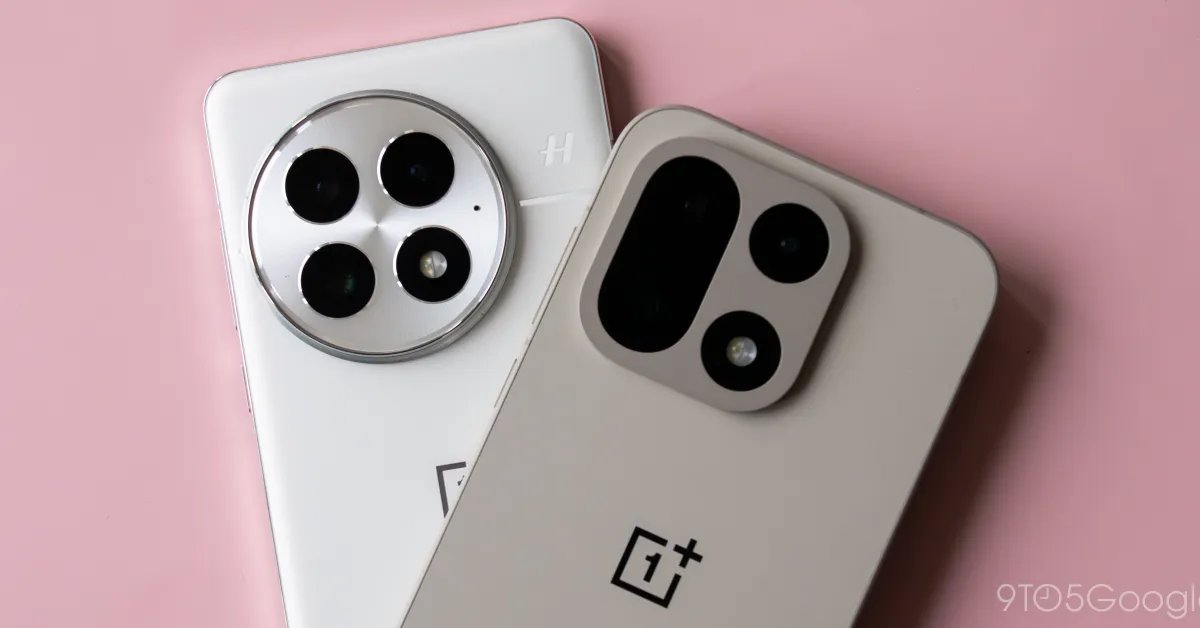
The Transition from OxygenOS to ColorOS
The software identity of OnePlus smartphones has undergone a significant transformation. As the company continues its transition toward integrating ColorOS across its global hardware lineup, long-time users are navigating a shift that fundamentally alters the user experience. Historically, OxygenOS was defined by its clean, near-stock Android aesthetic and a suite of unique, highly requested utilities that separated OnePlus from its competitors. However, following the strategic consolidation of software development under the Oppo ecosystem, these signature features are increasingly being deprecated or relegated to specific regional versions of the operating system.
For many, the appeal of a OnePlus device was tied to the granular control and distinct interface elements offered by OxygenOS. As ColorOS 17 rolls out globally, the differences in design philosophy and functionality have become impossible to ignore. This shift is not merely cosmetic; it represents a deeper architectural move toward a unified codebase, which, while beneficial for update distribution, has left a vacuum where many legacy user-centric features once thrived.
Feature Attrition and User Impact
The release of ColorOS 17 has brought a wave of technical departures that have frustrated the power-user community. Among the notable absences are the 3D and AI Motion Wallpapers, which provided a dynamic visual layer to the home screen. Furthermore, deep-system utilities that previously distinguished the brand—such as per-game performance modes, which allowed for precise hardware throttling and resource allocation—have seen their utility diminished or removed entirely.
Perhaps most contentious is the omission of the OnePlus Dialer and the loss of subtle, enthusiast-friendly inclusions like the calculator Easter egg and lock screen music lyrics. For users who relied on these specific tools for daily productivity and personalization, the migration to ColorOS feels like a degradation of the device’s original value proposition. Even advanced AI tools, such as the AI Photo Agent and Mind Pilot, appear inconsistently across regional builds, creating a fragmented experience where the capability of the hardware often outpaces the limitations of the software.
The Complexity of Regional Fragmentation
The current state of ColorOS 17 is characterized by significant regional disparity. In the latest builds, including those arriving for devices like the OnePlus 15 in Europe, the update focus has centered on general system stability and bug fixes rather than restoring the features removed during the transition. The official communication from the development team has been described as opaque, with the primary explanation for missing features often cited as regional licensing or market-specific configuration.
This fragmentation creates a scenario where two identical hardware units may possess vastly different software capabilities depending on the firmware region. For a brand that built its reputation on global parity and community transparency, this lack of clarity regarding software roadmaps poses a challenge to brand loyalty. Users are currently caught in a cycle of waiting for patches that may never arrive, as the shift toward a singular, unified Oppo software platform prioritizes long-term maintainability over the niche, specific feature sets that defined the legacy OxygenOS era.
System Stability vs. Feature Richness
From an engineering perspective, the transition to ColorOS is a strategy to streamline software development and improve the lifecycle of security patches and Android version upgrades. By aligning with Oppo’s codebase, OnePlus leverages a much larger development pool, which should technically result in more frequent, high-quality updates. The primary trade-off, however, is the dilution of the unique brand character.
While the new builds are objectively more stable and integrated with modern Android standards, the removal of specialized performance toggles and niche interface modifications reflects a broader industry trend toward standardization. Advanced users who preferred the hardware-level control offered by OxygenOS are now finding themselves in a more locked-down environment. This is a common hurdle in the consolidation of mobile platforms, where the efficiency of a unified OS often necessitates the trimming of specialized, resource-heavy, or non-compliant features.
Future Outlook for the Ecosystem
The shift in software strategy reflects a wider change in the corporate structure of the OnePlus brand, particularly following the closure of major regional offices. With Oppo now exerting total control over the software roadmap, the focus is clearly on a cohesive, standardized experience that aligns with the broader Oppo/OnePlus umbrella. While this may satisfy the average consumer who prioritizes consistent updates and general performance, it presents a difficult reality for the core demographic that championed the brand in its early years.
Looking forward, it is unlikely that the missing features will return in their original form. Instead, users should anticipate a software path that emphasizes the core ColorOS feature set. The current climate of the OnePlus software experience serves as a case study in the risks of corporate consolidation. As the lines between OnePlus and its parent company continue to blur, the unique software personality that once made the brand stand out will likely continue to fade, replaced by the unified, highly structured ecosystem of the parent company. For those still holding out hope for a return to the “old” OxygenOS, the evidence suggests that the current trajectory is firmly set toward full, irreversible convergence with ColorOS.
Disclaimer: This content is auto-generated for informational purposes only.
Source: Read Original News