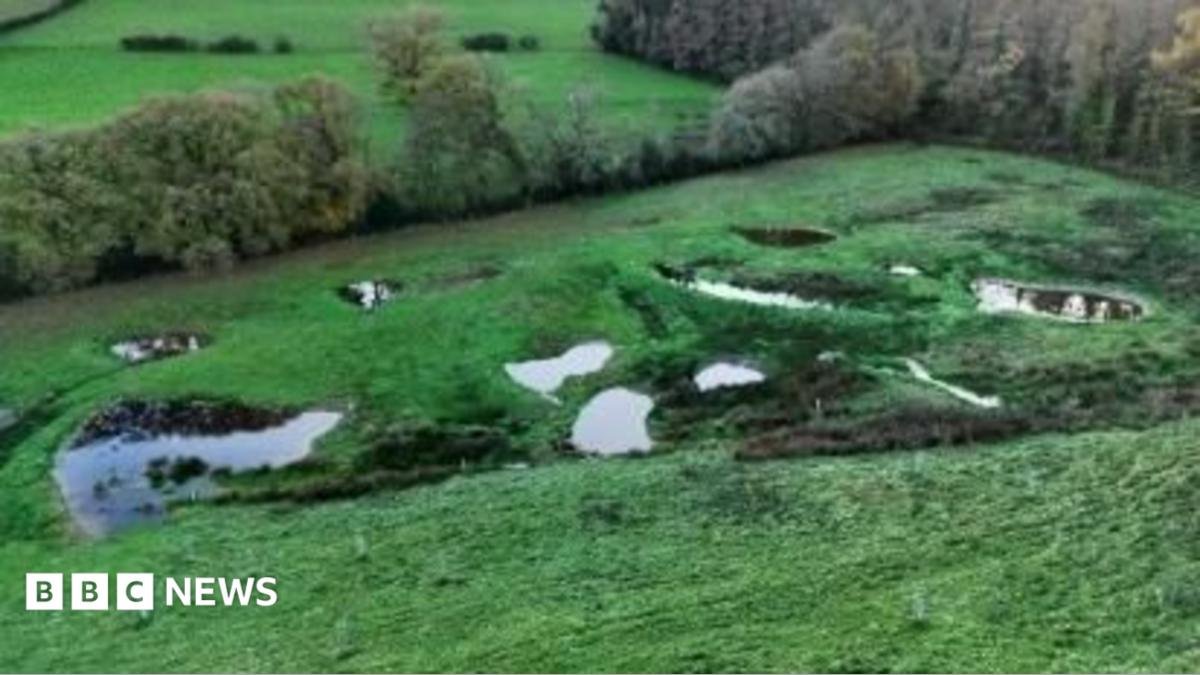










More than 300 local environmental projects across England are set to receive a share of over £11 million in funding aimed at restoring rivers, planting trees, and reclaiming habitats. The injection of capital, announced on Saturday, November 28, represents a significant shift in environmental policy, as nearly £6 million of the total fund is sourced directly from fines levied against water companies for pollution incidents.
Managed by the Environment Agency, the Water Environment Improvement Fund (WEIF) is designed to facilitate local, community-led interventions that address the degradation of aquatic ecosystems. Collectively, these new initiatives are expected to improve the ecological health of more than 1,300 kilometers of river systems, facilitate the planting of over 100,000 trees, and restore or create 800 hectares of natural habitat.
Environment Secretary Dame Angela Eagle underscored the government’s commitment to holding industry accountable for environmental damage. “For too long, water companies have got away with polluting our environment, but now the polluter will pay,” she stated. “The water system has failed people and nature, and we are determined to put that right. This funding means money from fines goes straight back into restoring the rivers and waterways that local communities care about.”
The projects span the country and address diverse ecological needs, from species reintroduction to climate change mitigation.
In Surrey, the National Trust has been awarded £49,000 for the Wey Water Vole Recovery project. After years of preparation and habitat assessment across the 87-mile river catchment, 190 water voles were released at six sites along the River Wey in August 2025. The project, which involves 83 partners and has already logged over 3,000 volunteer hours, aims to re-establish a species that had been pushed to the brink of local extinction.
In the North East, the River Tyne is set to undergo significant structural restoration. Groundwork North East and Cumbria will receive £165,000 for the Newburn Estuary Edge Improvements. By utilizing natural brushwood bundles to create a 230-meter barrier, the project will reduce river flow velocity, allowing sediment to settle and enabling the development of saltmarsh. This habitat will serve as a nursery for young fish and contribute to regional climate resilience.
Meanwhile, in Gloucestershire, the “Wilder Frome” project, led by the Severn Vale Catchment Partnership, has received £60,000 to improve biodiversity in the River Frome. The initiative focuses on removing man-made barriers to fish migration, enabling eels and salmon to navigate the river system more effectively. Additionally, the project will work alongside farmers and landowners to reduce the runoff of nutrients and sediment, which are primary drivers of poor water quality.
These environmental efforts are occurring alongside legislative shifts intended to empower local stakeholders. Recent reforms include the establishment of regional water councils, which are designed to give local communities a formal voice in setting priorities for water management and pollution mitigation. These councils will be enshrined in law following the passage of the Water Bill, ensuring that water companies must engage directly with the populations they serve.
Philip Duffy, Chief Executive of the Environment Agency, emphasized the importance of local expertise in these restoration efforts. “Local people know their rivers best,” Duffy said. “We’re backing them with this funding and working alongside communities, charities, and partners to improve our waterways. We will continue to hold polluters to account.”
By leveraging local knowledge and evidence-based interventions, the WEIF aims to address chronic issues that have previously gone unmanaged. As these projects move forward, they offer a tangible example of how financial penalties for environmental non-compliance can be repurposed to create cleaner, more resilient natural environments for future generations.
Disclaimer: This content is auto-generated for informational purposes only.
Source: Read Original News