









In a significant shift for UK environmental regulation, the Department for Environment, Food and Rural Affairs (Defra) announced on 28 November 2026 that millions of pounds in fines levied against water companies will be directly reinvested into local river clean-up and habitat restoration projects.
Under the new Water Environment Improvement Fund (WEIF), over £11 million has been distributed across more than 300 catchment partnerships in England. Critically, nearly £6 million of this total is sourced directly from enforcement penalties and fines imposed on commercial water and sewerage companies. By ring-fencing these proceeds, the government is operationalizing the “polluter-pays” principle, ensuring that capital derived from environmental breaches is used to repair the specific freshwater ecosystems that suffered harm.
Environment Secretary Dame Angela Eagle described the move as a structural realignment of accountability. “Water companies have repeatedly compromised our natural environment while raising customer bills,” Eagle stated. “Redirecting penalty proceeds into local waterways ensures that those responsible for pollution are directly compensating the communities and catchments they have damaged.”
The Environment Agency, which holds administrative oversight of the initiative, expects the portfolio to deliver landscape-scale results: 1,300 kilometres of river improvement, the planting of 100,000 riparian trees, and the restoration of 800 hectares of natural habitat. Agency Chief Executive Philip Duffy noted that the strategy empowers local conservation bodies and research partnerships, who possess the “granular catchment knowledge” necessary to ensure the funds are deployed effectively.
The portfolio focuses on nature-based solutions and biosecurity, with three flagship projects serving as templates for ecological recovery:
- River Wey (Surrey): The National Trust has been awarded £49,000 for the Wey Water Vole Recovery project. Following the successful reintroduction of 190 water voles, the grant will fund advanced biomonitoring, including environmental DNA (eDNA) sampling and camera trap surveillance to track population dispersal across 140 kilometres of riverbank.
- River Tyne (Newcastle upon Tyne): Groundwork North East & Cumbria received £165,000 for the Newburn Estuary Edge project. The initiative will install a 230-metre brushwood barrier to attenuate wave action and encourage the development of intertidal saltmarsh, providing vital nursery habitat for fish.
- River Frome (Gloucestershire): The Severn Vale Catchment Partnership secured £60,000 for the Wilder Frome project, which aims to remove migratory barriers for salmon and eels while simultaneously working with local landowners to reduce sediment and nutrient runoff.
The ability to ring-fence penalty revenue represents a departure from previous practice, where fines were traditionally diverted to the Treasury’s Consolidated Fund. Legislative changes under the Environment Act 2021 have now enabled this direct reinvestment, a framework that will be further bolstered by the upcoming creation of Regional Water Councils. These councils are expected to give community advocates and researchers a formal role in setting regional priorities and overseeing water company compliance.
For the academic sector, the WEIF rollout presents new operational opportunities and requirements. Universities are increasingly acting as critical monitoring partners, providing laboratory evaluation and ecological analysis for catchment-scale projects. As these partnerships grow, university research offices are being urged to standardize their approach to collaboration agreements, ensuring that data ownership, intellectual property, and audit-ready financial accounting are clearly defined when working alongside non-profit trusts and private commercial co-funders.
Project delivery is set to begin in the winter of 2026, with the first phase focusing on riparian habitat preparation and tree planting. In-channel engineering, including fish passage modifications, is scheduled for the 2027 hydrological season. As further regulatory investigations conclude, Defra intends to channel additional penalty revenue into future funding cycles, creating a sustainable, long-term stream of finance for England’s freshwater health.
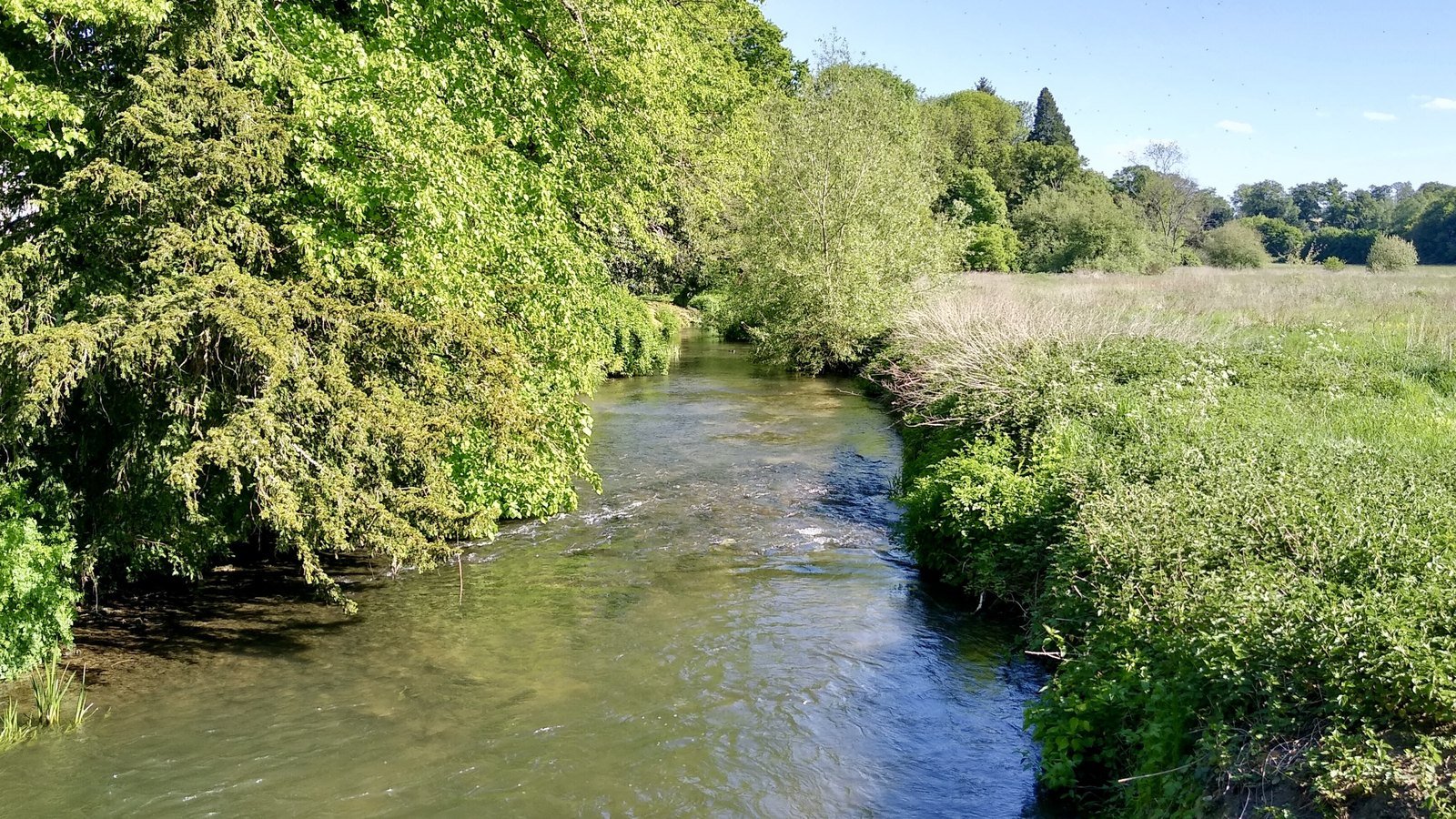
Photo: Mertbiol / Wikimedia Commons, CC0 (cropped).
Disclaimer: This content is auto-generated for informational purposes only.
Source: Read Original News