









Reframing Expectations for the iPhone Air 2
Recent reports from industry analysts in South Korea have cast a new light on the upcoming iPhone Air 2, suggesting that Apple is pivoting away from the radical design changes many enthusiasts anticipated. While earlier speculation pointed toward an even thinner chassis and a dual-speaker configuration to improve audio fidelity, current intelligence indicates a more conservative approach. Rather than pursuing an aggressive reduction in device thickness, Apple appears to be focusing its engineering efforts on internal hardware efficiency and camera versatility.
The original iPhone Air made headlines for its remarkably thin profile, but this achievement came at the cost of audio performance. The device relies on a single bottom-firing speaker, a design choice that has faced criticism for failing to provide an immersive audio experience comparable to other high-end handsets. Despite the initial fervor surrounding rumors of a dual-speaker system for the successor, current indicators suggest the device will maintain a mono-speaker setup. This news will likely disappoint users who prioritize multimedia consumption, though it suggests that Apple remains committed to the current structural footprint of the Air line.
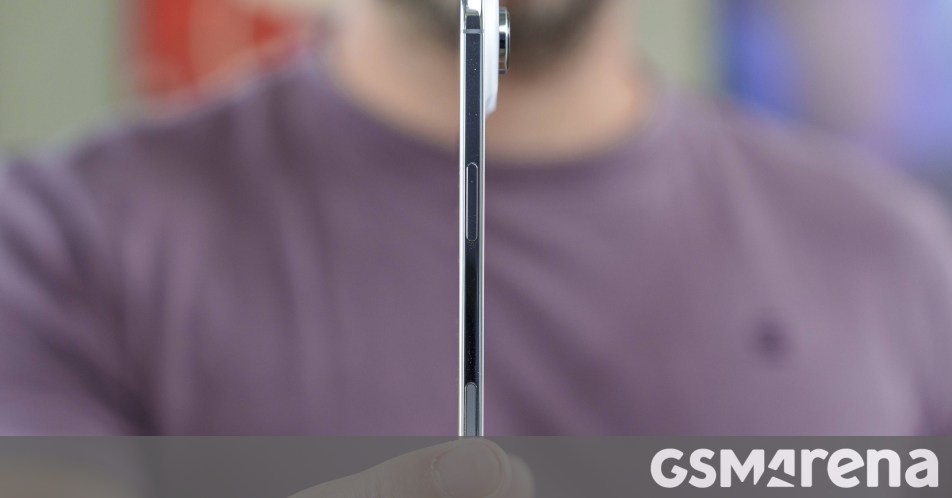
Maintaining the 5.8mm Architectural Standard
One of the most persistent rumors regarding the next iteration of the Air series was the push for a sub-5.8mm thickness. Pushing these boundaries presents significant thermal management and structural integrity challenges, particularly when considering the longevity of a device’s internal components. By maintaining the 5.8mm thickness of the current model, Apple is likely choosing to stabilize the hardware platform rather than sacrificing structural rigidity for marginal gains in aesthetics.
This decision to hold the line on dimensions does not equate to a lack of innovation. By keeping the chassis thickness consistent, engineers have managed to reconfigure the internal layout to accommodate a higher-capacity battery. A larger battery paired with Apple’s increasingly efficient processor architecture should provide a tangible improvement in daily operational endurance. In the current smartphone landscape, where high-refresh-rate displays and intensive background processes demand consistent power, prioritizing energy capacity over extreme thinness is a move that aligns with the practical needs of modern users.
Upgraded Optical Capabilities with Dual Sensors
Perhaps the most significant hardware update for the iPhone Air 2 is the transition to a dual-camera system. Dummy units circulating within the supply chain have confirmed a redesigned rear camera module, which will feature a primary 48MP sensor supplemented by an ultrawide secondary shooter. This shift represents a major upgrade in photographic flexibility.
The 48MP primary sensor allows for pixel-binning technology, which improves low-light performance and detail retention. By adding an ultrawide lens, Apple provides users with the ability to capture expansive landscapes and architectural shots without needing to step back from the subject. This inclusion addresses one of the primary limitations of the single-camera setup found on the original iPhone Air. The dual-camera arrangement is not merely a cosmetic change; it serves as a response to the growing demand for mobile devices that function as comprehensive creative tools. This specific combination of sensors ensures that the Air 2 remains a competitive entry in the premium smartphone market, balancing portability with professional-grade capture capabilities.
Strategic Alignment and Market Position
The product cycle for the iPhone Air 2 is currently tracking for a Spring 2027 launch, coinciding with the debut of the budget-oriented iPhone 18. This synchronized release schedule points to a broader strategy from Apple to segment its portfolio. By releasing the Air 2 as a premium, ultra-light handset alongside a more accessible iPhone 18, Apple creates a tiered selection process for consumers.
The focus on internal refinement over radical exterior changes suggests that the Air 2 is designed to be an iterative but meaningful improvement. By keeping the external design language consistent while enhancing the battery life and camera suite, Apple is positioning this device as a reliable, high-performance solution rather than a niche, experimental hardware piece. For potential buyers, this implies that the device will be robust, capable of handling long-term usage, and aligned with current standards for mobile photography.
The Impact of Iterative Design
The trajectory of the iPhone Air series highlights a growing trend in the technology industry: the movement toward mature, incremental upgrades. While early smartphone development was defined by rapid, yearly shifts in physical form factor, modern devices are increasingly defined by how well they optimize internal space and software integration. The iPhone Air 2 serves as a case study for this philosophy.
By opting to sacrifice minor physical diminishment for better battery performance and expanded photographic reach, Apple is prioritizing utility. The engineering choice to retain the current thickness while packing in more advanced components—specifically the secondary camera array—indicates that the company is listening to feedback regarding battery endurance and imaging. As we look toward the 2027 release, the iPhone Air 2 appears poised to offer a refined experience that emphasizes longevity and utility, reinforcing the identity of the Air brand as the standard-bearer for thin, performance-oriented mobile computing. Through this measured evolution, Apple intends to sustain the interest of users who value a balance of portability and power without the compromises often associated with extreme hardware thinness.
Disclaimer: This content is auto-generated for informational purposes only.
Source: Read Original News