








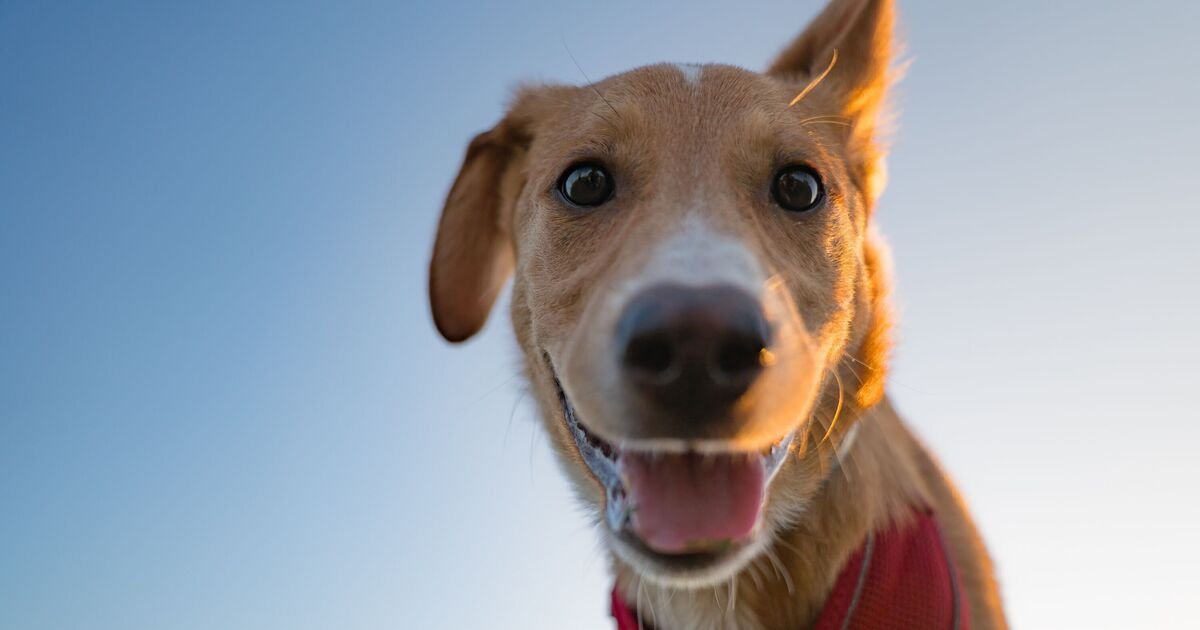
As much as we love our dogs, there are certain chores we often overlook. While we are great at keeping up with vaccinations, dental hygiene, and daily walks, there is one vital health check that many of us simply skip. Vets are now urging owners to take a more proactive approach to their furry friends’ health by checking for lumps and bumps at home. It is a simple habit, but it could make all the difference in your dog’s long-term health.
The Importance of Early Detection
We all want the best for our pets, especially as they enter their senior years. While it is natural for dogs to develop different skin markers as they age, assuming that every lump is just a sign of getting older can be a dangerous mistake. Clinical directors in veterinary medicine stress that early detection is the absolute best defense against serious illness. If a new growth is cancerous, catching it early can drastically change the outcome of treatment. It is not about living in fear, but about being informed and observant so that you can act quickly if something seems amiss.
Why Your Routine Needs an Update
Recent data suggests that while a vast majority of dog owners understand why these checks are important, a significant number of us feel unsure about how to actually perform them. It is common to feel a lack of confidence, or perhaps you worry that you won’t know what you are feeling for. However, you do not need medical training to do this effectively. The goal is simply to become so familiar with your dog’s body that you can spot when something has changed. Think of it as a bonding activity that just happens to be a life-saving health check.
How to Conduct a Thorough Home Exam
To get started, choose a time when your dog is already feeling calm and relaxed. The middle of a grooming session or a quiet evening on the sofa is perfect. If you want to keep the mood positive, have a few treats handy. Start by having your dog stand if they are able, or have them lie down comfortably. Run your hands firmly but gently over their entire body, from the top of the head down to the tail. If your dog has a thick or long coat, be sure to part the hair so you can actually feel the skin beneath. Use both hands to compare sides, checking for symmetry.
Don’t Ignore the Hidden Areas
It is easy to check the back and sides, but many potential issues hide in plain sight or in places we rarely touch. Pay special attention to the inner thighs, the areas around the belly, and the underside of the tail. Do not stop at just feeling for lumps; look at their mouth and gums as well. If you notice persistent bad breath, unusual drooling, or signs that they are struggling to chew their food, make a note of it. These are all subtle indicators that your vet would want to know about during a routine check-up.
Creating a Tracking System
If you do find something new, stay calm. Many lumps are harmless fatty deposits or simple cysts, but you should still document what you find. Keep a simple note of where it is, how big it is, and what it feels like. Taking a quick photo with a coin or ruler next to the spot can be incredibly helpful for your vet later on. If the lump is new and doesn’t look inflamed or painful, it is generally fine to watch it for a week to see if it changes. However, if it grows rapidly, changes color, or begins to weep or bleed, get in touch with your clinic immediately. By incorporating this short, simple inspection into your monthly calendar, you are taking a massive step in ensuring your best friend stays comfortable and healthy for as long as possible.
Disclaimer: This content is auto-generated for informational purposes only.
Source: Read Original News