







India’s Data Centre Market Shifts Toward Massive Hyperscale Infrastructure
India’s digital landscape is undergoing a massive transformation, characterized by a strategic pivot toward high-capacity infrastructure. According to a recent study by real estate consultancy Knight Frank India, the country’s data centre development pipeline saw a 14 per cent growth in the third quarter of 2026, with the total number of facilities climbing to 80, up from 70 the previous year.
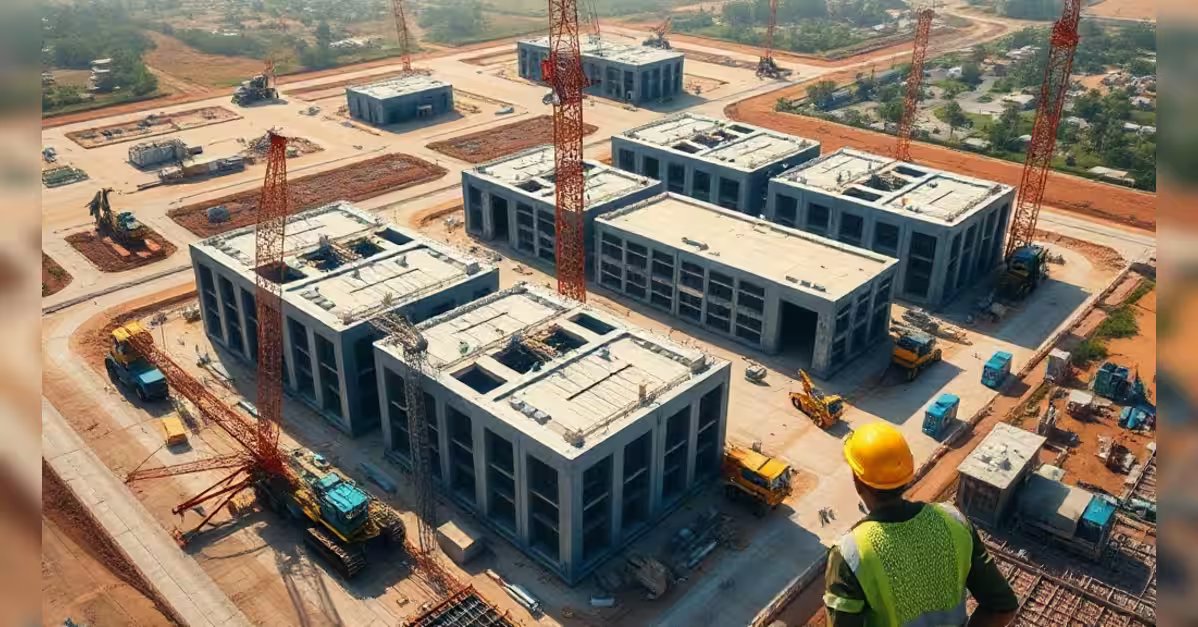
Beyond the numerical increase, the sector is experiencing a significant shift in design philosophy. Developers are increasingly favoring larger-format facilities, marking a departure from smaller, modular deployments toward massive hyperscale projects.
The Rise of Hyperscale Dominance
The data provided by Knight Frank highlights an aggressive push into the high-capacity segment. Developments exceeding 50 MW now account for 55 per cent of the total national pipeline, a sharp rise from 44.3 per cent in 2025.
The most dramatic expansion is observed in the above-100-MW category, which has cemented itself as the fastest-growing segment in the industry. These massive installations surged by 80 per cent, growing from 15 to 27 facilities. This category now represents 33.8 per cent of the total pipeline, up from 21.4 per cent just a year ago, effectively becoming the leading class of data centre development in India. Meanwhile, the 50–100 MW segment has shown steady, measured growth, rising slightly from 16 to 17 facilities.
Joseph Thilak, Executive Director of Occupier Strategy and Solutions and Head of Data Centre Business (India) at Knight Frank India, emphasized that this trend reflects a fundamental change in the country’s technological ambitions. “India’s data centre landscape is evolving not just in terms of the number of facilities being developed, but also in the scale of infrastructure being planned,” Thilak stated.
Geographic Hubs and Regional Growth
While the growth is national, it remains concentrated in key economic corridors that offer the best infrastructure support. Mumbai continues to hold its position as the undisputed capital of India’s data centre industry. As of Q3 2026, the city hosts 34 of the 80 total facilities—nearly 43 per cent of the country’s pipeline. Mumbai’s dominance is particularly evident in the 100-MW-plus category, where the count grew from 10 to 15 facilities over the past year.
However, Hyderabad is rapidly closing the gap, positioning itself as a formidable secondary hub. The city recorded a 36.4 per cent growth in its total pipeline, rising to 15 facilities. Notably, Hyderabad’s rise is heavily driven by the ultra-large-scale sector, with the number of facilities exceeding 100 MW doubling from four to eight in just one year.
Other major cities are also keeping pace with the digital demand. Chennai and Pune continue to host nine facilities each, maintaining stable development footprints. Meanwhile, Bengaluru and New Delhi have both expanded their pipelines by 25 per cent, moving from four to five facilities each, signaling a broader distribution of digital infrastructure across the country’s metropolitan centers.
Strategic Challenges Ahead
As India continues to attract significant capital for these mega-projects, experts warn that physical capacity must be matched by utility readiness. Thilak noted that future success for developers will rely heavily on aligning large-scale construction with the availability of critical infrastructure, such as reliable power grids, robust fiber connectivity, and suitable industrial land. As these massive data centres come online, the focus will likely shift from mere development to ensuring these facilities can operate efficiently within India’s evolving energy and connectivity framework.
Disclaimer: This content is auto-generated for informational purposes only.
Source: Read Original News