







Rahul Gandhi Issues Stark Warning Against Proposed 850-Seat Lok Sabha Expansion
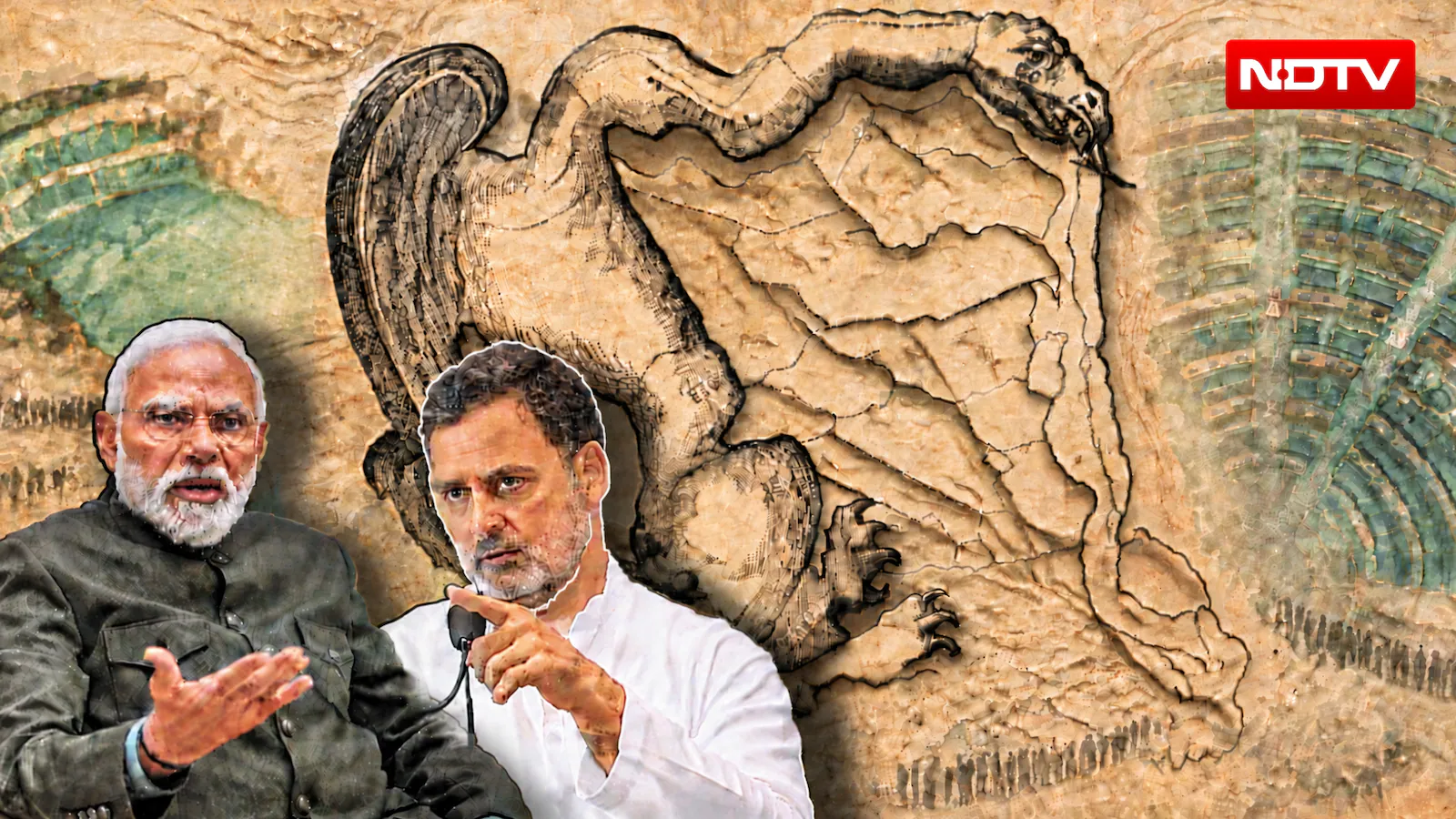
Leader of the Opposition in the Lok Sabha, Rahul Gandhi, has sounded a grave alarm regarding the central government’s impending delimitation legislation. Speaking in Chennai on Sunday, Gandhi cautioned that expanding the strength of the Lower House to 850 seats under the current BJP-led administration could spell the end of Indian democracy.
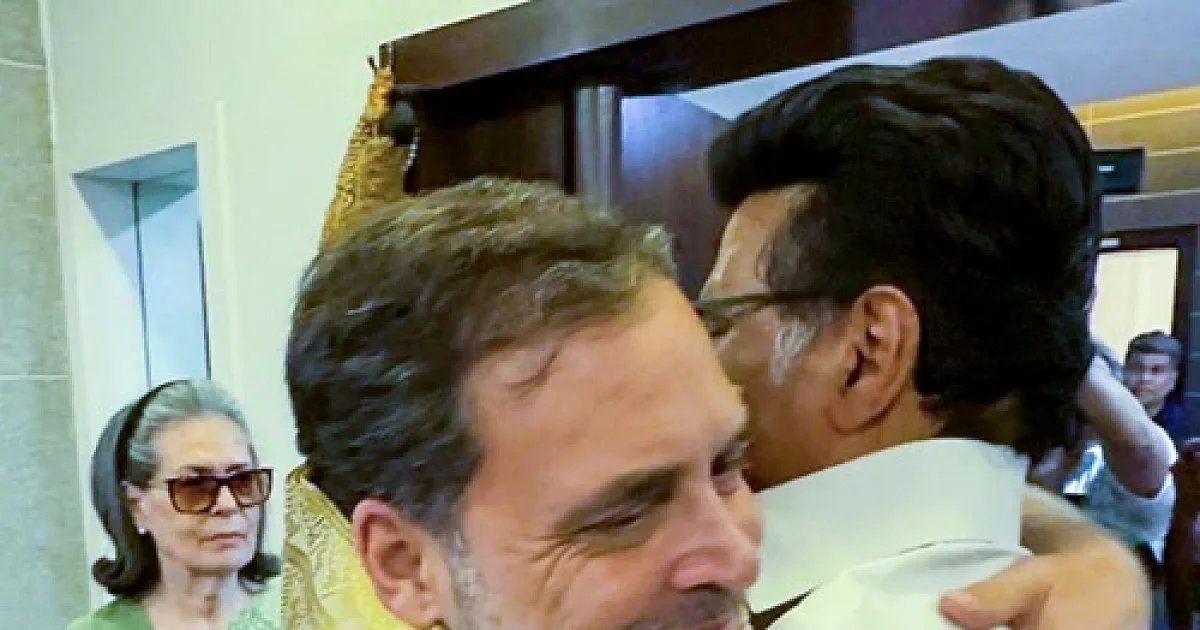
The Congress leader, who met with DMK president M. K. Stalin alongside other top-tier INDIA bloc representatives, argued that the proposed restructuring of parliamentary constituencies is a calculated move to alter the country’s political landscape permanently. According to Gandhi, the BJP aims to leverage this expansion to fundamentally redraw constituency boundaries across the nation, effectively consolidating power at the expense of regional representation.
A Targeted Threat to South India
Gandhi’s primary contention is that the delimitation process is not a neutral administrative exercise but a strategic assault on the linguistic and cultural identity of South India. He pointed to recent exercises in Assam and Jammu and Kashmir as blueprints for the BJP’s broader national ambitions.
“Expanding the Parliament to 850 seats and allowing the BJP to dictate the shape of these constituencies is not merely a logistical change; it is an existential threat to the Indian Union,” Gandhi stated during a press briefing at the Chennai airport. He explicitly warned that the move would disproportionately harm Tamil Nadu, stripping the state of its political leverage and subjecting its unique cultural heritage to intensified pressure from the central government.
Furthermore, the Congress leader launched a scathing attack on the Rashtriya Swayamsevak Sangh (RSS), characterizing the organization as an inherently “anti-Tamil force.” He claimed that the RSS harbors a deep-seated resentment toward the Tamil language, history, and civilization, and that the proposed delimitation is a tool intended to suppress and control these identities.
The DMK’s Pragmatic Dilemma
Despite an impassioned plea from Gandhi—who appealed to Stalin as a “brother” and a protector of Tamil interests—to stand firmly against the legislation, the DMK appears unmoved. While the INDIA bloc leaders pushed for a unified front to block the Constitution (132nd Amendment) Bill, 2026, the DMK has maintained that total opposition may not be in the state’s best interest.
Stalin has indicated that the party’s decision is rooted in political pragmatism rather than ideology. His administration fears that outright rejection of the Bill could backfire, potentially leaving Tamil Nadu vulnerable and removing the existing legal safeguards that protect the state’s current share of Lok Sabha seats. For the DMK, the challenge lies in balancing their alliance commitments with the immediate need to prevent a reduction in the state’s legislative influence.
As the special session of Parliament prepares to convene this Monday, the tension between the national opposition and regional allies remains palpable. With the government set to introduce the contentious Bills, the political landscape is braced for a volatile session, with the future of India’s representational balance hanging in the balance.
Disclaimer: This content is auto-generated for informational purposes only.
Source: Read Original News