








Mounting Tensions: Congress Sues Meta Amid Allegations of Mass Censorship in India
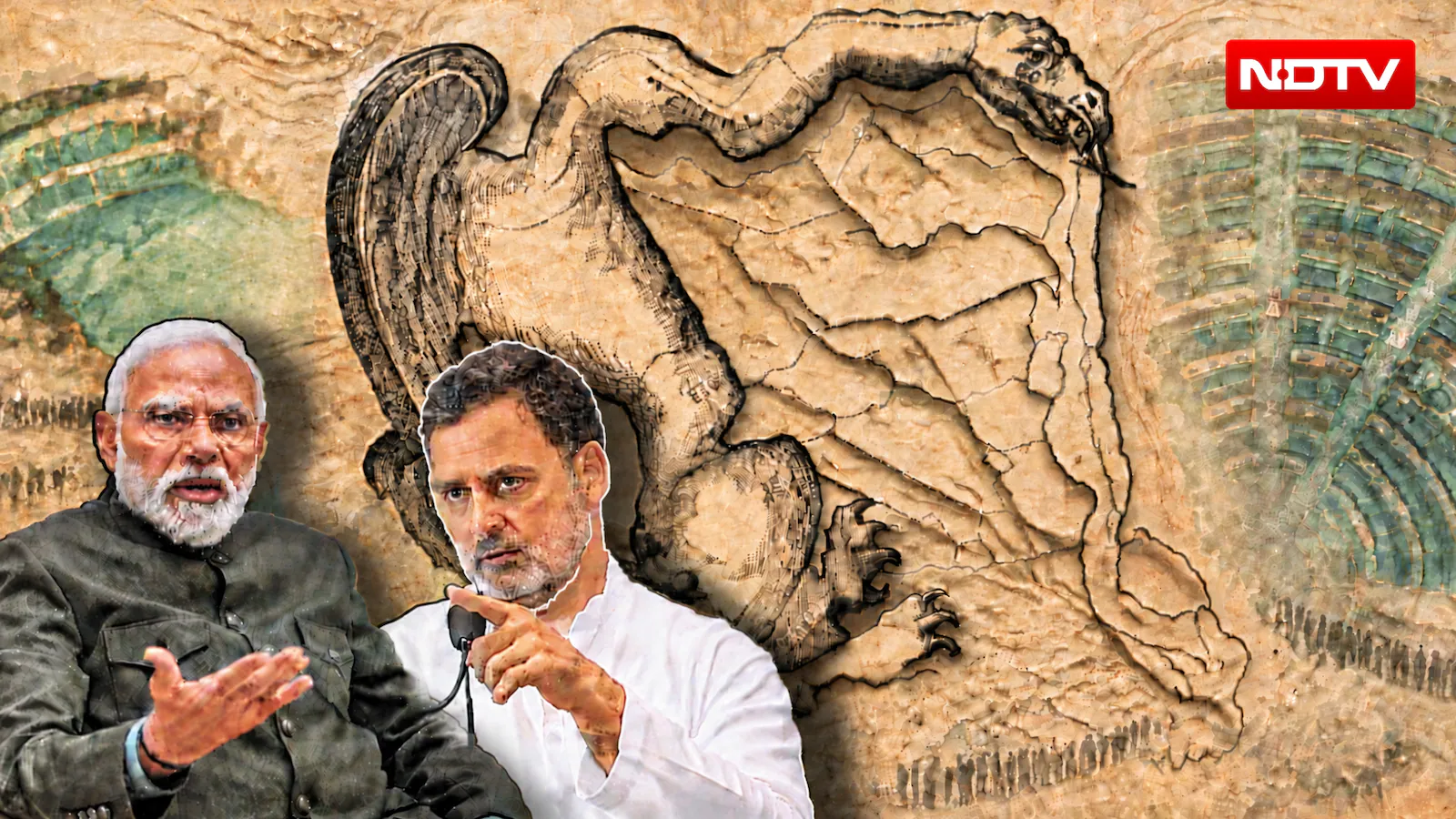
Tensions between global social media giant Meta and India’s political opposition have reached a boiling point, as the Congress party officially challenges the platform over allegations of widespread content suppression. Demonstrators are accusing the company of operating an automated censorship regime that systematically silences critics of Prime Minister Narendra Modi’s government.
The Legal Battleground
On November 25, the Indian Youth Congress filed a lawsuit at the Delhi High Court, targeting Meta for the unexplained removal of party-related content. The legal challenge highlights a dramatic surge in restricted posts, including mundane interactions such as wedding invitations and birthday greetings featuring party leader Rahul Gandhi.
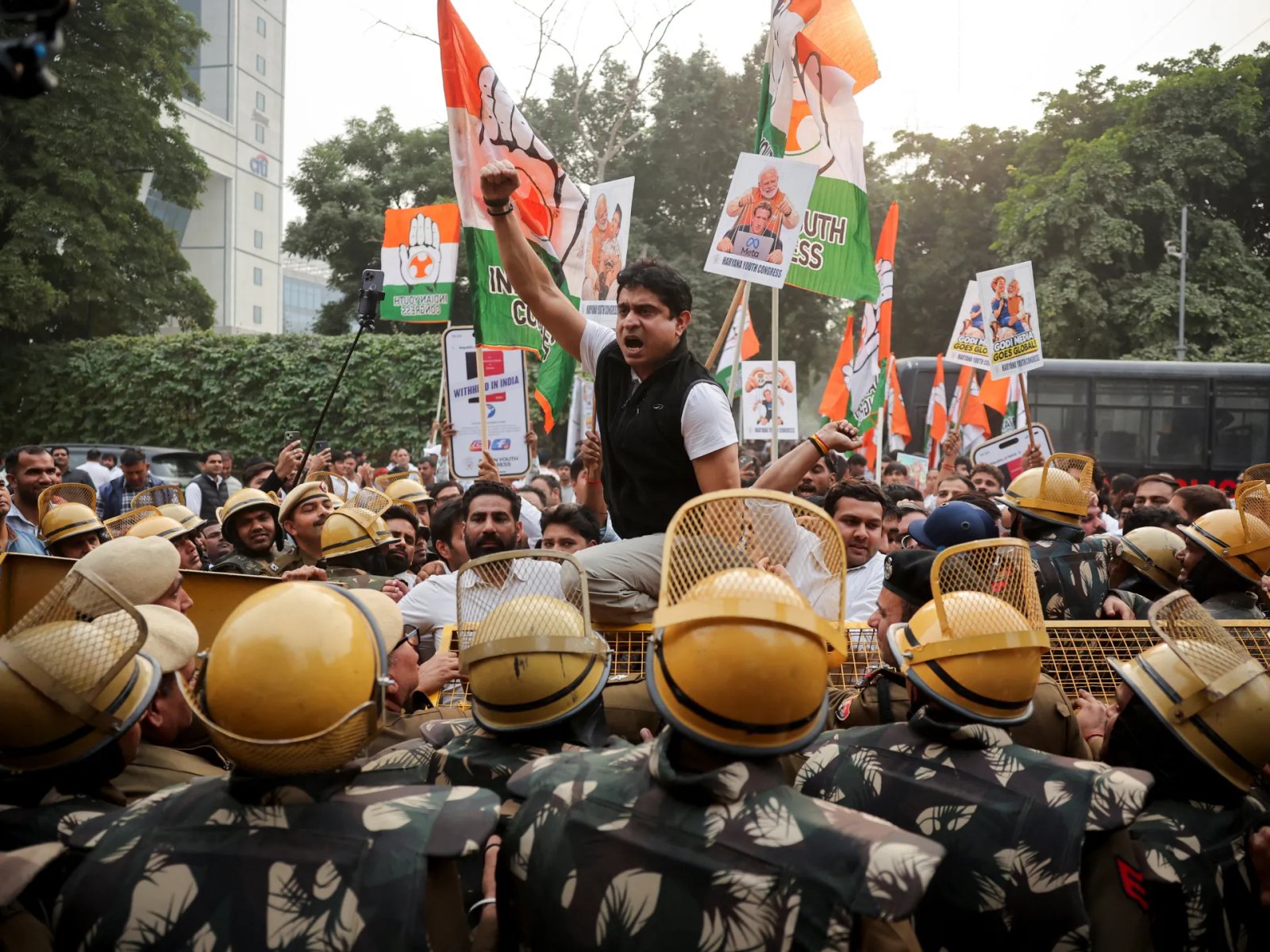
Lawyers for the petitioners argue that Meta’s automated filtering tools have spiraled out of control, sweeping up lawful political discourse under the guise of content moderation. The party contends that these restrictions threaten their ability to mobilize voters ahead of critical state elections. Following the filing, activists gathered outside Meta’s Haryana headquarters to protest, where they were met with police action, including the use of water cannons and subsequent detentions.
A Surge in Restricted Content
Data from Meta’s own transparency disclosures reveal a startling scale of intervention. In the first half of 2026, the company restricted access to approximately 5.44 million items of content in India—a massive increase compared to previous reporting periods.
Independent creators and political commentators are reporting similar difficulties. Bloggers and cartoonists have noted that their content is frequently “shadow-banned” or removed entirely without specific explanations. Users often find their reach severely throttled, leading many to believe that the platform is operating under restrictive, opaque instructions that favor the current administration.
Meta, however, maintains its stance of political neutrality. The tech giant insists that its actions are strictly mandated by India’s evolving Information Technology (IT) regulations, which require the automated removal of content flagged as unlawful.
The Legislative Shift
The friction is rooted in India’s tightening digital regulatory framework. While Section 69A of the IT Act originally allowed for content removal based on national security and public decorum, recent legislative changes have drastically expanded the government’s reach.
The introduction of the “Sahyog” platform has decentralized takedown authority, allowing local police and district-level officials to issue censorship demands. Furthermore, a February amendment requires platforms to remove flagged content within a three-hour window. This compressed timeline leaves little room for human oversight, forcing companies to rely heavily on automated algorithms to avoid losing their “safe harbor” legal protections.
Freedom of Speech at a Crossroads
Digital rights organizations are raising alarms regarding the impact of these policies on India’s democratic discourse. The Internet Freedom Foundation (IFF) has been particularly vocal, arguing that “censorship by automation” remains a direct threat to free expression. Critics point out that when platforms prioritize speed and automated compliance over nuance, the public’s right to receive information is effectively eroded.
As India continues to record high numbers of internet shutdowns, the case against Meta serves as a focal point for a broader debate on whether modern digital laws are being weaponized to stifle dissent. For now, the legal battle in the Delhi High Court remains a litmus test for how much autonomy global platforms can—or will—assert in the face of increasing state control over the digital public square.
Disclaimer: This content is auto-generated for informational purposes only.
Source: Read Original News