









3 min readNew DelhiApr 27, 2026 05:00 PM IST
India’s diverse ecosystems, from dense forests to farmlands, are home to a wide variety of snake species, many of which are highly venomous and potentially dangerous to humans. Each year, snakebites remain a significant public health concern, particularly in rural areas where human-snake encounters are more frequent. Yet, most snakes are non-aggressive and play a vital role in maintaining ecological balance by controlling pests. Understanding which species pose the greatest risk, how their venom works, and where they are commonly found can help reduce fear, improve response, and ultimately save lives through awareness and timely medical care.
1. Indian Cobra

One of India’s “Big Four,” the Indian cobra is easily recognised by its hood. Its neurotoxic venom affects the nervous system, potentially leading to paralysis and respiratory failure.
2. Common Krait
Highly venomous and often found near human settlements, the common krait is responsible for many nocturnal bites. Its bite is painless but extremely dangerous due to powerful neurotoxins.
3. Russell’s Viper
Known for its aggressive nature, this snake delivers a haemotoxic bite that can cause severe tissue damage, internal bleeding, and kidney failure.
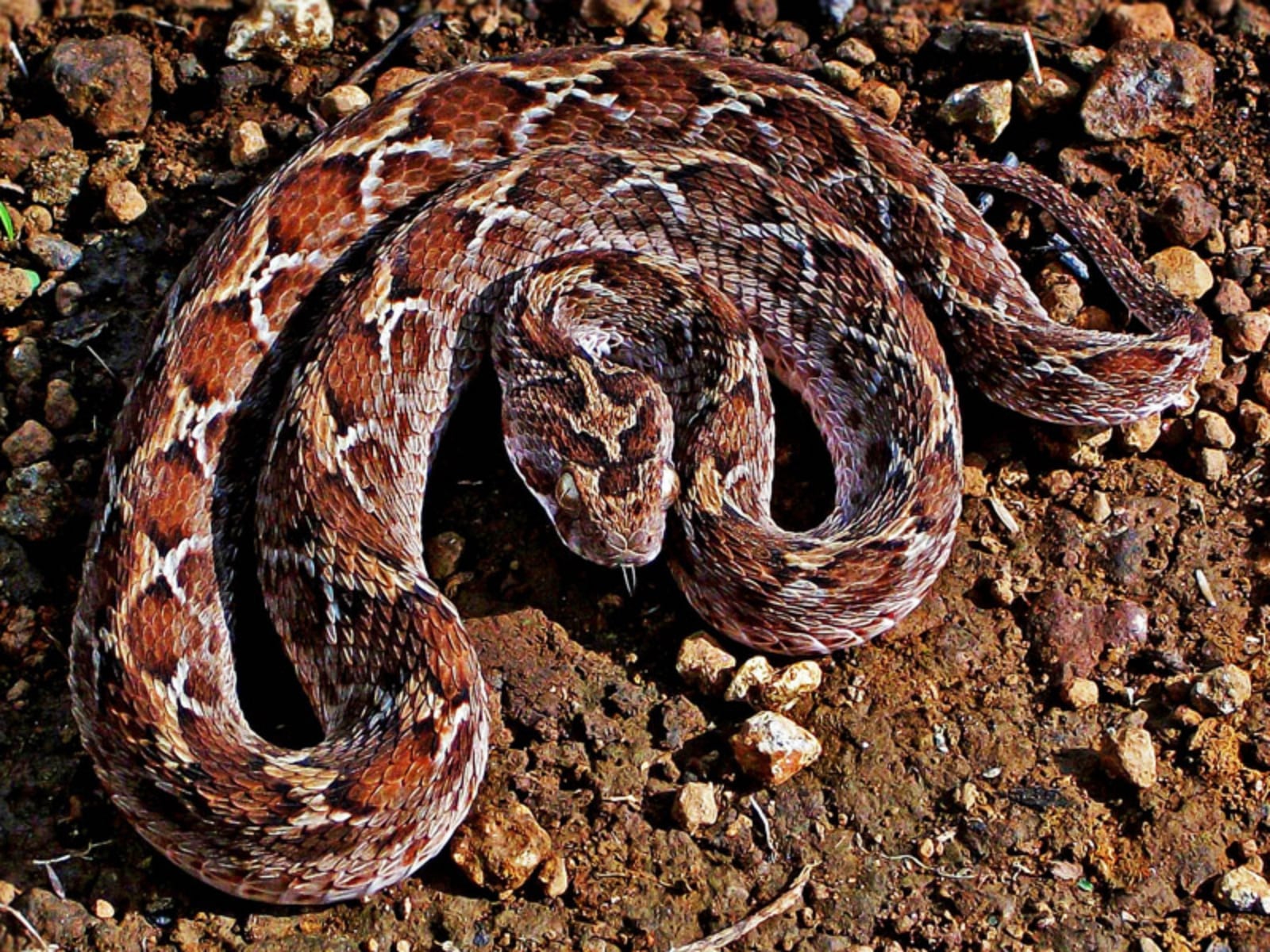 Saw-scaled Viper (Photo: Wikipedia)
4. Saw-scaled Viper
Small but deadly, this viper produces a distinctive rasping sound. Its venom disrupts blood clotting, leading to fatal bleeding complications.
5. King Cobra
The world’s longest venomous snake, the king cobra, can deliver a large dose of neurotoxic venom. Despite its fearsome reputation, it tends to avoid humans unless provoked.
6. Banded Krait
Story continues below this ad
Less aggressive than its cousin, the banded krait still possesses potent neurotoxic venom. It is typically found in wetlands and forested regions.
7. Hump-nosed Pit Viper
Common in parts of southern India, this snake’s venom can cause serious tissue damage and complications, though it is often underreported.
8. Malabar Pit Viper
Found in the Western Ghats, this species delivers a painful bite with haemotoxic effects, though fatalities are less common with timely treatment.
9. Indian Coral Snake
Story continues below this ad
A secretive species, it carries potent neurotoxic venom. Bites are rare due to its reclusive nature but can be serious.
10. Andaman Cobra
Endemic to the Andaman Islands, this cobra species is highly venomous and relatively less studied, adding to its risk factor.