









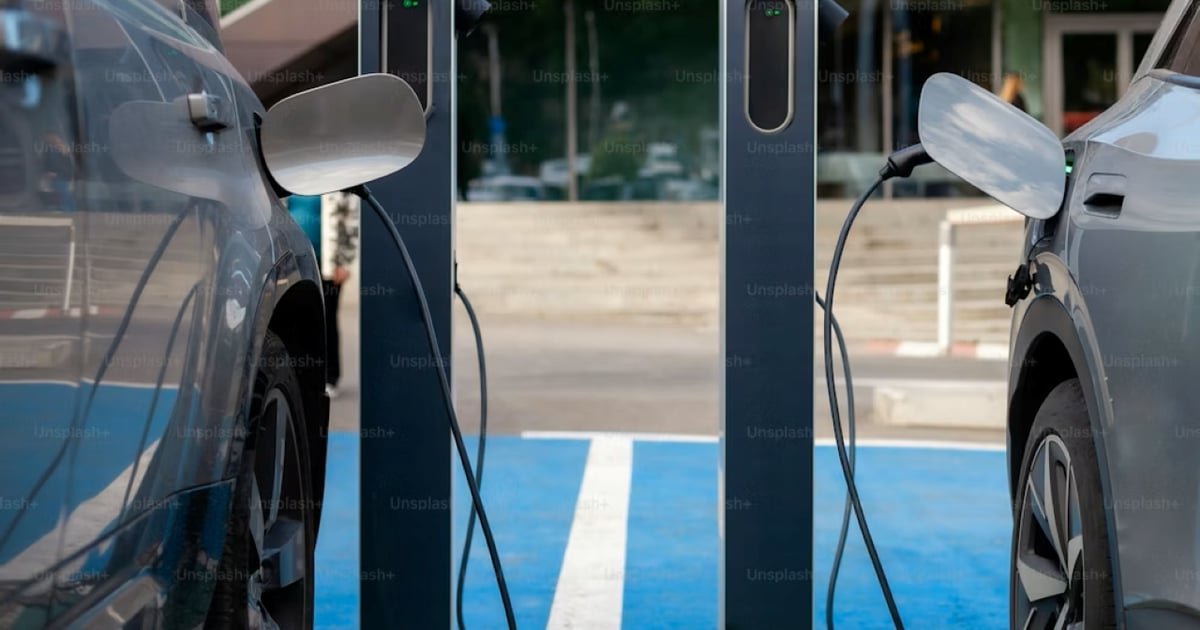
Indian engineering software firm SoftTech Engineers Limited has partnered with National Highway EV Infrastructure (NHEV) to launch India’s first single-window approval system for EV infrastructure and wayside amenities along national highways.
The approval system is powered by SoftTech’s Civit technology platform. It is designed to streamline the approval and development process for EV charging stations, fuel stations and highway-side amenities through a unified digital interface.
The system will support three stakeholder groups across India’s highway network: facility allottees developing EV and roadside infrastructure, landowners offering highway-adjacent lands, and service providers supplying equipment and operational services.
“A single-window approval system is not merely a digital approval platform — it is the infrastructure backbone for India’s EV highway future. By bringing every stakeholder, every approval, and every site onto one transparent system, we are ensuring that India’s clean mobility ambition is built faster, smarter, and sustainably,” said Vijay Gupta, CEO of SoftTech.
According to the companies, the Geographic Information Systems (GIS)-enabled platform integrates the entire project lifecycle into a single workflow, including applicant registration, geospatial site selection, compliance reviews, officer approvals, allotment and execution.
The launch comes as India accelerates EV adoption, with registrations surpassing 2.5 million units in FY2025-26, up 24% year-on-year, according to market research firm JMK. However, limited highway charging infrastructure remains a major barrier to long-distance EV travel, particularly for commercial fleets and intercity transport.
SoftTech said the platform replaces fragmented, multi-department approval systems with automated and standardised processes aimed at reducing approval timelines and improving transparency. Applicants can assess land suitability through live highway geospatial data before submitting documentation, while regulators and stakeholders can monitor project progress through a real-time dashboard.
NHEV, the government-backed initiative leading the deployment programme, said the platform will support large-scale highway EV infrastructure rollout through a more transparent approval framework. The initiative aims to electrify 5,500km of national highways by 2027 via a public-private partnership (PPP) model, including the deployment of charging and battery-swapping stations.
The companies did not disclose financial details or deployment timelines for the nationwide rollout.