









Published on
March 14, 2026

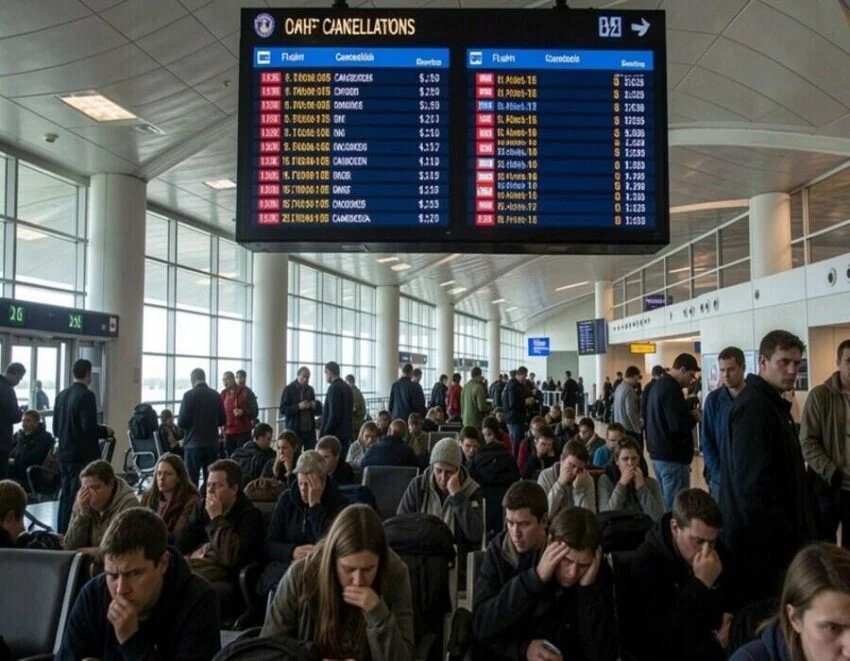
Image generated with Ai
India’s decisive expansion of visa relief for stranded travelers comes as key nations such as Qatar, Saudi Arabia, Israel, Iran, UAE and Jordan grapple with severe air travel disruptions triggered by escalating tensions in West Asia. With flight routes cancelled and international skies partially closed, India has announced a 30‑day automatic visa extension for foreign nationals whose travel plans were upended, and it has waived penalties for overstays after 28 February 2026, ensuring that those affected can remain legally in India while routes remain uncertain. This move is designed to reduce stress for travelers caught in the crisis, support their legal stay without financial burden, and provide free exit permits once flights resume — reflecting India’s urgent humanitarian response amid the intensifying regional conflict.
As the ongoing conflict in West Asia continues to disrupt international travel, India has taken a significant step to provide relief to foreign nationals stranded within its borders. The Indian government has announced visa extensions and the waiver of penalties for overstays, offering critical assistance to those affected by the flight cancellations, airspace disruptions, and other travel challenges caused by the escalating crisis in the region.
Extension of Visas and e-Visas for Foreign Nationals
In a move aimed at alleviating the stress of travelers stranded in India, the Indian government has decided to automatically extend all expiring visas and e-Visas for foreign nationals. This measure will apply to all foreign nationals whose visas were due to expire or had already expired during the ongoing conflict. The extensions are granted for an additional month at no extra cost.
This step is essential for foreign nationals whose travel plans were severely disrupted by the ongoing crisis in West Asia. The automatic visa extension is implemented through India’s Foreigners Regional Registration Offices (FRROs), making it easier for stranded visitors to remain in the country legally without facing penalties.
No Overstay Penalties for Affected Foreign Nationals
In a further relief measure, India has decided to waive any overstay penalties for foreign nationals whose stay exceeds the original validity of their visa due to the disruptions caused by the conflict. This initiative, effective from February 28, ensures that individuals affected by the crisis will not be penalized for delays that are beyond their control.
The government’s decision to waive penalties is part of a broader effort to assist those in distress and help them maintain legal status while they wait for the reopening of international air routes. The waiver is particularly crucial for those who might face challenges with their flight schedules, as many air routes remain restricted or closed due to the ongoing crisis.
Advertisement
Advertisement
Exit Permits and Temporary Landing Permits (TLP)
Another key measure announced by the Indian authorities is the provision of Exit Permits, which will be granted free of charge to foreign nationals wishing to leave the country once air routes reopen. Exit Permits are essential for those who are legally required to exit India but have found themselves unable to do so due to disrupted flight schedules. This measure ensures that stranded passengers will not face additional financial burden during this challenging period.
For foreign nationals who arrive in India due to diverted flights caused by the conflict, India is offering Temporary Landing Permits (TLP) at no cost. This is a temporary solution for travelers whose flights were rerouted to India after airspace restrictions affected the Middle East and neighboring regions. The TLP will allow these passengers to stay in India legally until they are able to continue their journey once travel routes resume.
Impact of the Conflict on Regional Air Travel
The current conflict in West Asia has caused significant disruption to air travel, particularly in the Gulf region. The conflict, which primarily involves drone and missile strikes by the US and Israel on Iran, has escalated tensions and led to the closure of several airspaces across the Middle East.
The Gulf countries have been severely impacted by these disruptions:
- Qatar: Airspace closures have made it difficult for airlines, including Qatar Airways, to maintain normal flight schedules. Qatar Airways has been instrumental in evacuating stranded passengers, including nearly 500 Indian nationals, and ensuring the safe return of Indian citizens to their homeland.
- UAE: The conflict has caused chaos in the skies over the UAE, with several flight cancellations and reroutings affecting the country’s busy international airport hubs.
- Saudi Arabia: As one of the largest air travel hubs in the region, Saudi Arabia has also been impacted by flight disruptions. Many international flights have been rerouted or delayed due to the security situation.
- Kuwait, Bahrain, and Jordan: These countries have faced similar challenges with airspace disruptions, affecting travel routes and leading to flight cancellations and delays.
The ongoing crisis has also created ripple effects in global energy markets, particularly around the Strait of Hormuz, which is a key global chokepoint through which 20% of the world’s oil passes. The disruption of air travel and the broader geopolitical uncertainty in the region have led to a decrease in global energy security, further complicating the situation.
Humanitarian Efforts by Qatar Airways
Qatar Airways has been one of the key airlines helping to manage the impact of the conflict on travel. The airline has facilitated the evacuation of passengers who were stranded due to the disruption of air routes. Qatar Airways has also played a significant role in transporting the mortal remains of two Indian nationals who passed away from natural causes, along with their families, to Kochi, India, on a humanitarian basis.
However, Qatar Airways, along with other airlines operating in the region, continues to face challenges due to the limited airspace availability. As of March 14, Qatar Airways is planning to operate a flight from Doha to Mumbai, though overall flight schedules remain heavily restricted.
As the escalating West Asia conflict disrupts air travel, India has extended a 30‑day visa relief and waived overstay penalties for stranded foreign nationals. This crucial move comes as Qatar, Saudi Arabia, Israel, Iran, UAE, Jordan, and other nations join efforts to support travelers facing unprecedented travel chaos.
India’s Commitment to Supporting Stranded Foreign Nationals
The measures announced by the Indian government underscore India’s commitment to supporting foreign nationals during times of crisis. By extending visas, waiving overstay penalties, and providing essential travel documents like Exit Permits and Temporary Landing Permits, India has offered vital relief to those caught in the chaos of the West Asia conflict. These efforts demonstrate India’s role as a responsible international partner, ready to assist citizens of other countries when crisis strikes.
With the ongoing disruption in air travel, these initiatives from India provide much-needed relief and stability for foreign nationals stranded in the country. As the situation evolves, it is expected that these measures will help restore normalcy for affected travelers, allowing them to return home once air routes are fully operational again.
India’s decisive action during this crisis has not only provided immediate relief to stranded foreign nationals but has also showcased the country’s ability to act swiftly and humanely in times of global turmoil. The world now watches as the situation unfolds, with the hope that the region’s airspace will reopen soon, allowing international travel to return to normal.