








At BlizzCon 2026, Blizzard Entertainment unveiled a significant addition to its MMORPG portfolio: World of Warcraft: Forever. Positioned as a dedicated iteration of the classic Azeroth experience, this title aims to satisfy the long-standing community demand for “Classic+” content—a version of the game that retains the core mechanics of the 2004 original while introducing new narrative paths, features, and technical enhancements.
World of Warcraft Forever vs. World of Warcraft Retail
The primary distinction between World of Warcraft: Forever and the modern retail version lies in design philosophy. Retail iterations have evolved over two decades to prioritize convenience, speed, and high-intensity, vertical progression. Conversely, World of Warcraft: Forever focuses on the social and exploratory elements that defined the early era of the franchise.
The development team emphasizes that the world itself serves as the protagonist. Features such as forced travel and a more deliberate pace are designed to cultivate organic player interactions in the open world, rather than relying on automated queue systems. While the retail version excels at providing rapid, repeatable endgame challenges like Mythic+ dungeons, Forever seeks to offer a grounded, immersive experience where the journey and community connections hold as much weight as the final rewards.
Lore Building and Horizontal Progression
World of Warcraft: Forever operates within a divergent continuity. While it begins in the same foundational era as the original game, developers intend to explore narrative gaps that were previously left unaddressed. New playable races, such as the Skyborne elves, are being introduced to flesh out historical lore regarding regions like Dire Maul and Eldre’Thalas.
Rather than chasing an infinite increase in power levels, the game implements horizontal progression. A new Legacy system incentivizes players to create alternate characters by offering account-wide perks. By completing specific gameplay milestones, players unlock talent trees that enhance trade skills and utility. Furthermore, Blizzard plans to release content updates across all level brackets—not just the level 60 cap—ensuring that the game world remains relevant regardless of a character’s current stage of development.
Approach to Difficulty and Class Balance
A notable shift in Forever is the commitment to class viability. In the original version of the game, certain talent trees were deemed inefficient for high-end raiding. The design team has confirmed that all 27 talent trees in World of Warcraft: Forever are being tuned to be viable for all content. While this does not imply that every class is identical in performance, it ensures that every specialization provides unique utility and value, making them desirable in group compositions.
Regarding difficulty, the team clarified that the game is not intended to mirror the punishing, high-wipe counts associated with modern Mythic raiding. Instead, the focus is on preparation, resource management, and strategic team building. Players are expected to research encounters, gather necessary supplies, and utilize class-specific buffs to overcome challenges, rewarding coordination rather than purely mechanical twitch-reflexes.
Accessibility and Modern Controls
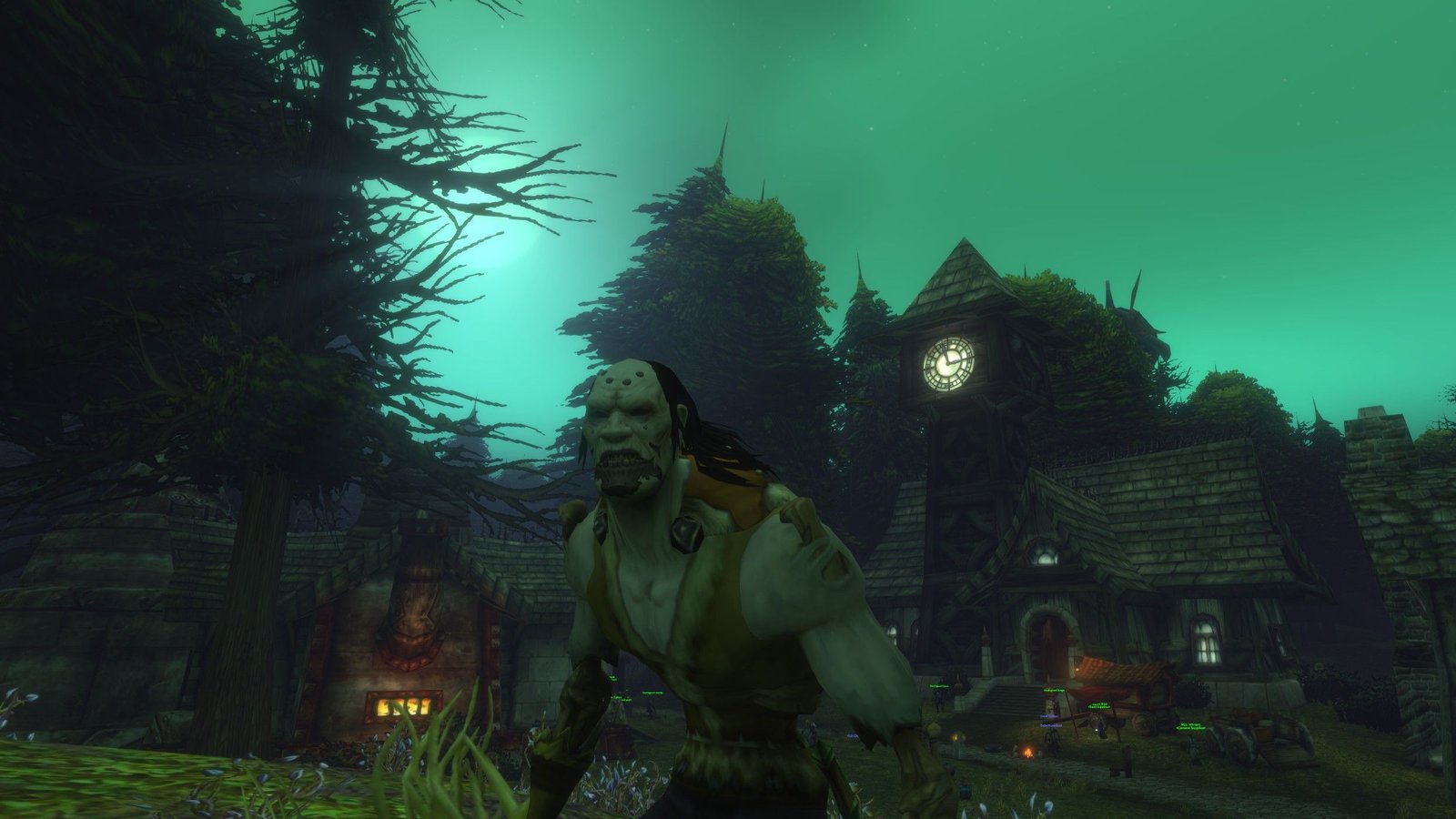
Technical modernization is a key pillar of this release. World of Warcraft: Forever includes native support for gamepads, marking a first for the franchise. The beta has demonstrated that this control scheme is functional and provides a different tactile experience for navigating the world of Azeroth. Additionally, the engine has been updated with modern lighting and fog effects, which serve to heighten the atmospheric depth of classic zones without compromising the original aesthetic.
The Future of Classic Exploration
The introduction of this title poses an interesting question regarding player behavior: will those accustomed to the rapid rewards of modern gaming find the slower, more deliberate pace of Forever engaging? The beta period suggests a strong interest among both veterans looking for nostalgia and newer players curious about the origins of the MMORPG genre.
By avoiding the “treadmill” of constant power creep and focusing on a persistent, meaningful world, Blizzard is betting that there is a sustainable audience for an experience that prioritizes discovery and social bonds. Whether the endgame content maintains player interest remains to be seen, but the initial reception at BlizzCon indicates that there is a significant appetite for a return to the roots of Azeroth. World of Warcraft: Forever is set to launch on November 4, 2026, for Windows PC.
Disclaimer: This content is auto-generated for informational purposes only.
Source: Read Original News