








Nepal is seeking $20 million from the international Loss and Damage Fund, a UN-backed mechanism designed to provide financial support to countries confronting the irreversible consequences of climate change. The request comes in the wake of catastrophic flooding and landslides in August that claimed over 1,400 lives and left thousands of people missing.
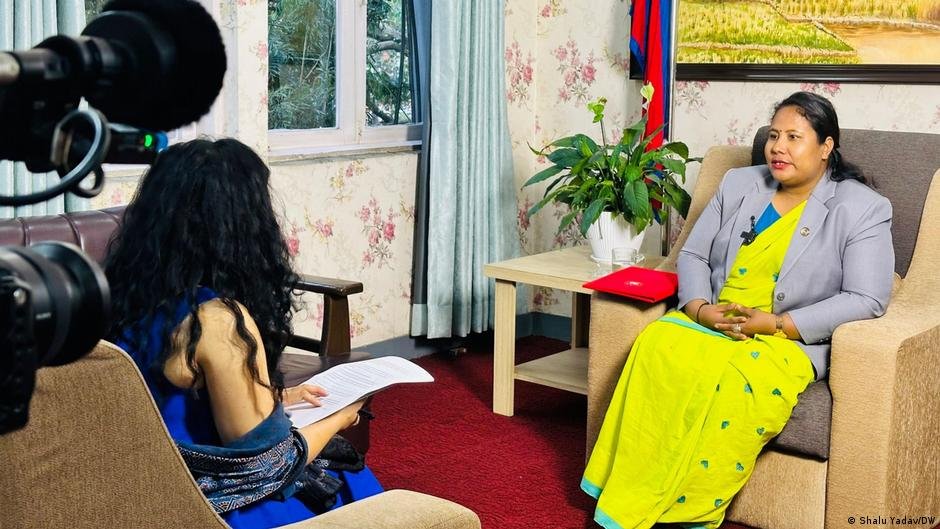
Environment Minister Geeta Chaudhary confirmed that Nepal has officially submitted a formal request for the funds. “We have already issued the official letter for the fund for the loss and damage,” Chaudhary stated in an exclusive interview. She noted that initial feedback from international partners has been largely positive.
The recent disaster resulted in widespread destruction across large swaths of the Himalayan nation, wiping out homes, critical infrastructure, and vast areas of agricultural land. As rescue and recovery efforts continue, the tragedy has crystallized the argument for climate justice—a central theme for developing nations that contribute marginally to global greenhouse gas emissions yet bear the brunt of extreme weather events.
“Sympathy alone will not work for us,” Chaudhary said, emphasizing that Nepal is past the point of needing platitudes. “We don’t need sympathy. We need justice. It’s high time. If you’re not able to give us justice, then we also don’t need the words.”
Nepal is responsible for roughly 0.1% of global greenhouse gas emissions. Despite its negligible contribution to the climate crisis, its geography leaves it exceptionally vulnerable. Rising temperatures in the Himalayas have accelerated glacial retreat, increasing the frequency of glacial lake outburst floods, landslides, and unpredictable, high-intensity weather patterns.
The government is now intensifying its push for direct access to climate funds and stronger international commitments. Chaudhary argued that the recent floods are a clear indicator of climate change at work. While scientists often stress that establishing a direct causal link between a specific, isolated disaster and global warming requires rigorous attribution studies, the Nepali government maintains that the link is undeniable. “Our evidence is showing that this catastrophic event is because of climate change,” the minister asserted. “We are the real example and the world is watching us.”
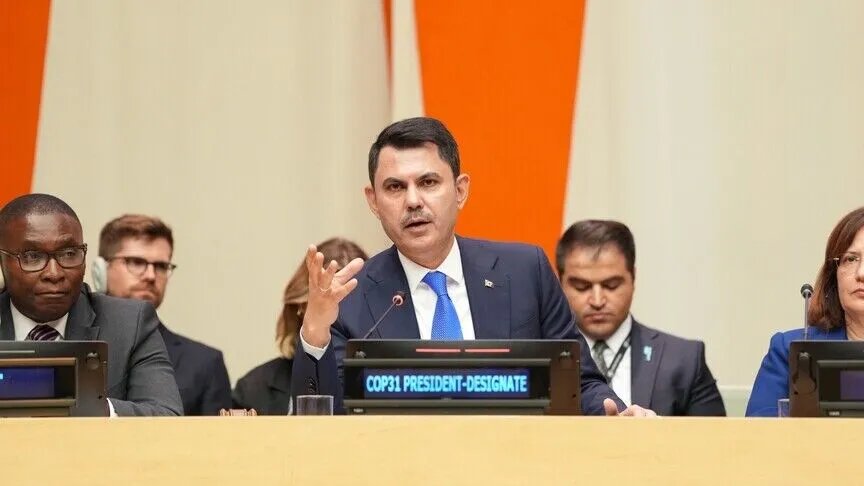
This urgency is driving Nepal’s agenda for the upcoming UN COP31 climate conference in Turkey this November. According to Chaudhary, Nepal will reject vague promises and traditional development aid in favor of concrete financial support for climate-vulnerable nations. The government plans to highlight the unique risks faced by mountainous regions, which it argues have been historically overlooked in global climate negotiations.
The severity of the August floods has also forced a critical review of domestic preparedness. While some residents reported that early warning systems were insufficient or too late to prevent loss of life, the government defended its response, noting that the scale of the destruction was “beyond imagination.” In response, the Ministry of Environment is currently working to strengthen hydrological and meteorological monitoring mechanisms. Furthermore, Nepal is deepening cross-border cooperation with neighboring countries, specifically China, to better monitor river systems and potential glacial hazards that transcend national boundaries.
For Minister Chaudhary, the catastrophe in the Himalayas serves as a grim preview for the rest of the world. “Our snow is melting, our lakes are in danger,” she warned. As the international community prepares for COP31, the minister remains skeptical that global efforts are keeping pace with the rapidly changing environment. When asked if the world is acting with the necessary speed, her answer was blunt: “I don’t think so.”
Disclaimer: This content is auto-generated for informational purposes only.
Source: Read Original News