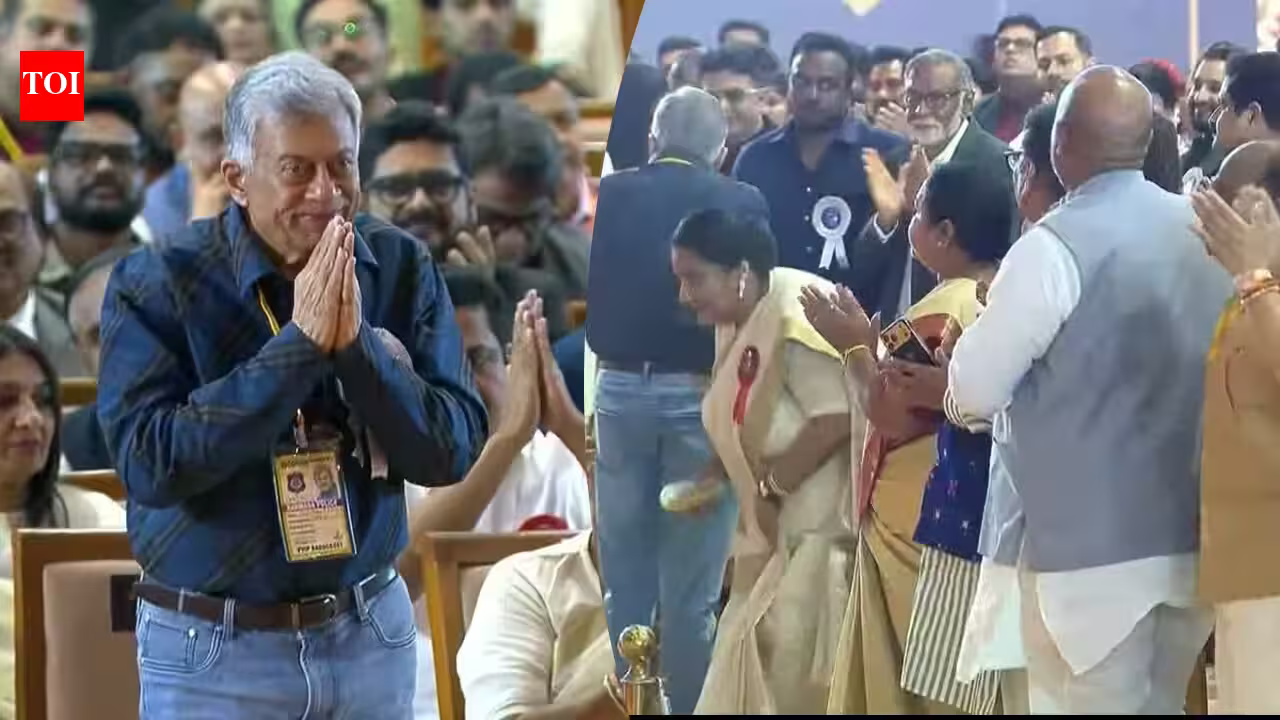






The air inside Vigyan Bhawan was thick with a mix of nerves, excitement, and the palpable weight of history this week as the 72nd National Film Awards unfolded. It wasn’t just another awards ceremony; it was a grand recognition of the seismic shifts currently defining Indian cinema. As President Droupadi Murmu took the stage to hand over the medals, the room transformed into a tapestry of creative genius, honoring the visionaries who spent 2024 blurring the lines between regional storytelling and global cinematic appeal.
While the glitz of the red carpet is often what makes the headlines, the 72nd edition served as a poignant reminder that the true soul of a film lies in the granular details—the ink on the page, the tension of a stunt, and the texture of a costume.
Sukumar, GV Prakash, and the Art of the Narrative
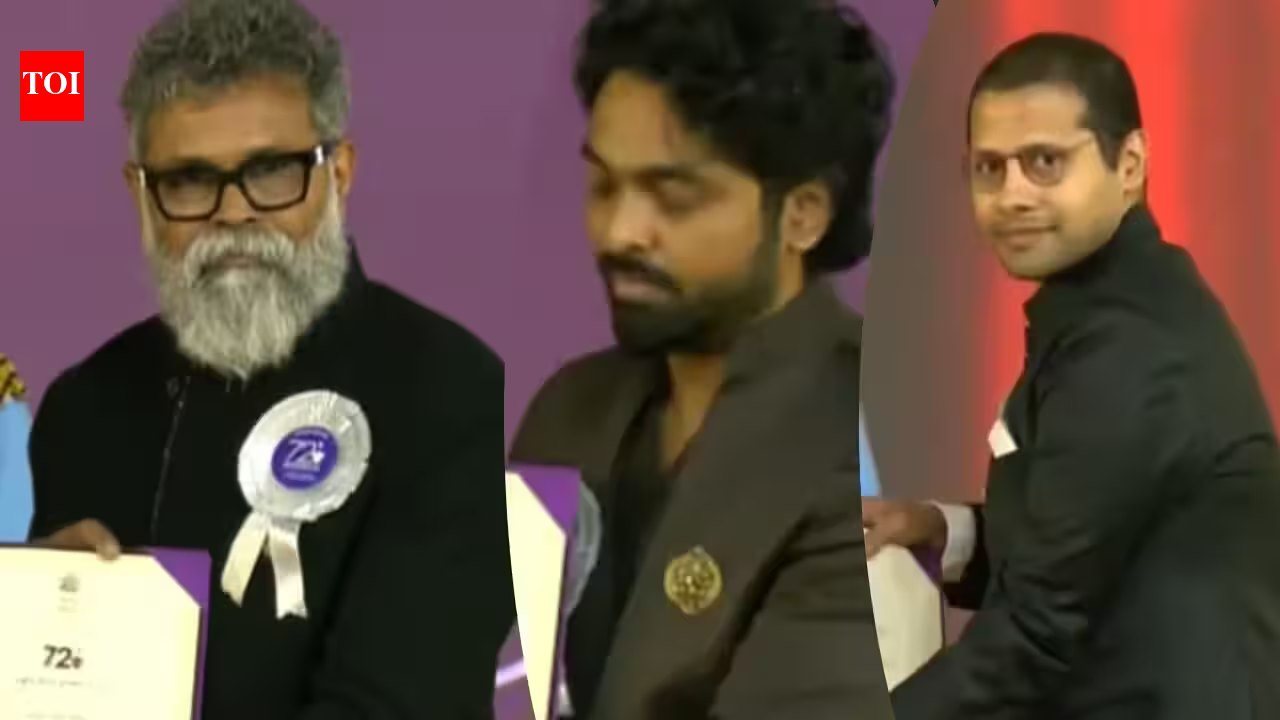
Perhaps the most anticipated moments of the day belonged to the storytellers and the soundscapers. Sukumar, the architect behind the cultural phenomenon that is Pushpa: The Rule Part 2, stepped up to accept the National Film Award for Best Original Screenplay. In an industry that often favors spectacle, Sukumar’s recognition reminds us that even the most bombastic action sequences are tethered to the rhythm of a well-written script.
Joining him in the limelight was GV Prakash Kumar, who has quietly cemented himself as a powerhouse of modern composition. His Best Music Direction win for Amaran was a testament to his ability to weave emotional depth into a score, turning soundtracks into characters of their own. Meanwhile, Venky Atluri, taking home the award for Best Dialogue Writer for Lucky Baskhar, underscored the importance of the written word in maintaining audience engagement. These men represent a new guard of filmmakers who refuse to sacrifice literary merit for mass appeal, proving that a film can be both a blockbuster and a masterpiece of craft.
Beyond the Spotlight: The Visionaries of ‘Kalki’ and ‘Committee Kurrollu’
If the directors and composers are the architects of a film, then the technical crew are the engineers who make the impossible look effortless. The awards highlighted a shift in how we appreciate production and design. Nitin Zihani Choudhary’s win for Best Production Design for the dystopian spectacle Kalki 2898 AD was a highlight of the afternoon. Creating a believable futuristic world from scratch is a monumental feat, and his ability to transport audiences to the scorched, high-tech landscape of the film clearly left an indelible mark on the jury.
The ceremony also turned its gaze toward the smaller, more grounded narratives that captured the collective imagination. Niharika Konidela and Yadhu Vamsi, producers of the critically lauded Committee Kurrollu, were honored with the Best Telugu Film award. Their win serves as a powerful endorsement of stories that prioritize character development and cultural nuance over sheer scale. It was a victory for the “content-first” movement that has been slowly but surely reclaiming the Telugu box office over the last few years.
The Unsung Heroes: Costumes, Stunts, and Artistry
It is often said that the most important people on a film set are the ones whose names scroll by the fastest in the credits. The 72nd National Film Awards made a deliberate effort to pull those names out of the shadows. The Best Costume Design award, shared by Deepali Noor and Sheetal Sharma for Pushpa: The Rule Part 2, was a well-deserved nod to the meticulous research and aesthetic daring required to dress characters that have now become iconic figures in Indian pop culture.
Equally electrifying was the recognition of Anl Arasu for Best Action Direction for Maharaja. The stunt choreography in Maharaja wasn’t just about the physical impact; it was about the storytelling conveyed through motion. In the same vein, Ravi Kumar’s win for Best Makeup Artist in Committee Kurrollu honored the visceral, transformative power of prosthetics and color, proving once again that a character’s external appearance is the gateway to the audience’s empathy.
A Diplomatic Milestone for Indian Cinema
President Droupadi Murmu’s presence lent an air of gravity to the proceedings. As she moved through the line of winners, the ceremony felt less like a standard industry gala and more like a state-sanctioned acknowledgement of India’s growing “soft power.” Film, in the Indian context, has never just been entertainment; it is our primary export of culture, emotion, and identity.
When a film like Maharaja or Pushpa receives a national honor, it signals to the international market that the standard of Indian filmmaking—across every technical department—has reached a level of sophistication that demands global respect. The 72nd National Film Awards will be remembered not just for the trophies handed out, but for the breadth of talent showcased.
The Road Ahead for the Industry
As the lights dimmed and the winners filed out of Vigyan Bhawan, the takeaway was clear: the Indian film industry is currently in a state of hyper-evolution. The blurring of language barriers, the rise of “pan-Indian” content, and the insistence on high-quality technical production have created a golden era for domestic cinema.
The winners of the 72nd National Film Awards—from the screenwriters crafting intricate webs of dialogue to the stunt coordinators risking life and limb to choreograph the perfect frame—have set a high bar for 2025. As we look toward the next year of cinema, the industry must carry this momentum forward, continuing to prioritize the technical craft that makes the magic of the movies possible. Whether through the lens of a massive budget sci-fi epic or the intimate framing of a character-driven drama, the message from the 72nd National Film Awards was unambiguous: the craft matters, the detail counts, and Indian cinema is only just getting started.
Disclaimer: This content is auto-generated for informational purposes only.
Source: Read Original News