Turbulence has hit the Indian rowing camp at the Asian Games, as a whirlwind of last-minute personnel changes threatens to derail the team’s momentum just hours before the opening of competition. What should have been a time of final focus and tactical refinement has instead descended into a period of intense mental distress for the athletes, who find themselves thrust into new boat combinations on the eve of the biggest event of their careers.
The controversy centers on a series of eleventh-hour adjustments authorized by team management on Monday. The mandate, which saw long-standing crew partnerships dismantled and reshuffled, has left members of the squad feeling alienated and, in some cases, unable to eat or sleep as the pressure of the upcoming regatta mounts.
A Disrupted Preparation
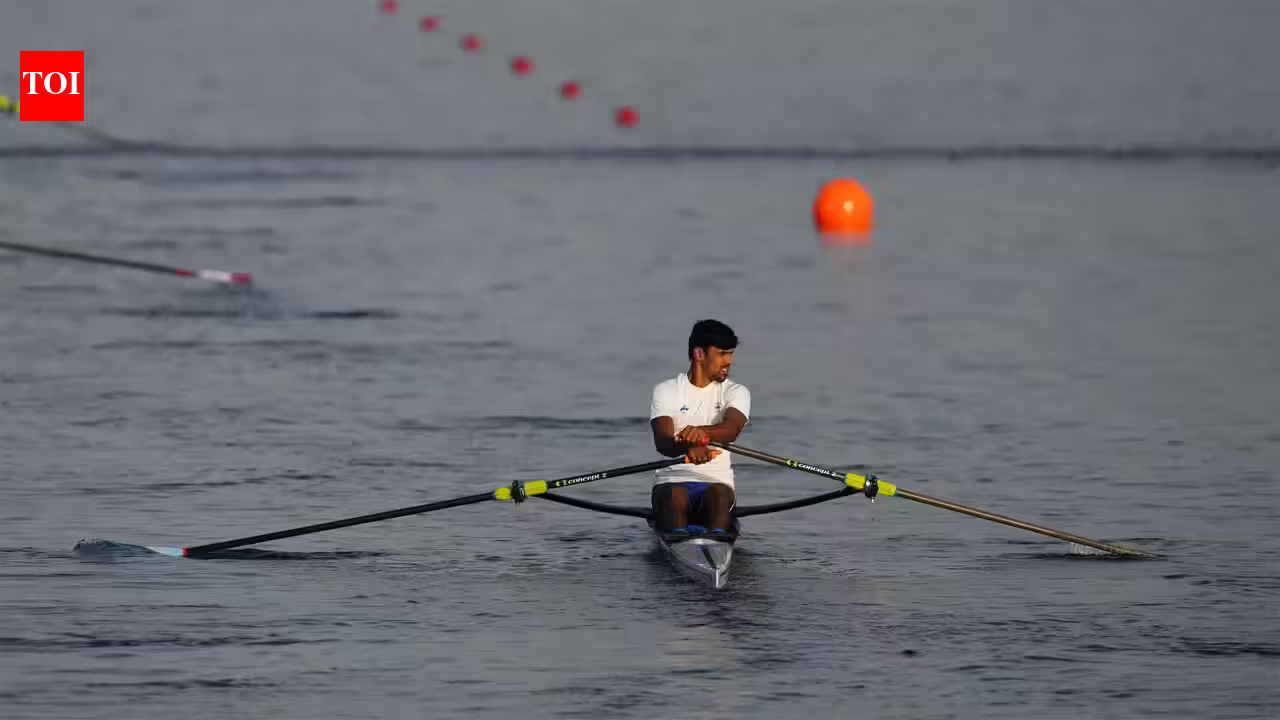
The scale of the changes is significant, affecting several high-profile athletes. Among the most notable shifts is the movement of 2022 Asian Games silver medallist Arvind Singh. Originally slated to represent India in the single sculls, Singh has been reassigned to the quadruple sculls. In a reciprocal move, Balraj Panwar, who had been training as part of the quadruple sculls, has been shifted into the single sculls event.
Further down the roster, the men’s pair of Saurav Kumar and Vipul Satish has been replaced by the combination of Nitin Kumar and Jaswinder Singh. Additional changes include the inclusion of reserve rower Jasmail Singh in the coxless four, and the movement of Navdeep Singh and Kulwinder Singh from the double sculls to the quadruple sculls.
For rowers who have spent months—if not years—perfecting the synchronization required to move a boat in unison, these changes are not merely administrative; they are fundamental disruptions to their craft. “Crew combination is set for six months or one year,” one anonymous rower told reporters. “When it is changed one day before such a big competition, the athlete gets disturbed mentally. Someone who is not in the quad for six months, what is he going to achieve in one day?”
The athlete further noted that the squad felt they were treated as subordinates rather than stakeholders, stating that the decisions were handed down to them rather than discussed. The unique position of these athletes, many of whom are members of the Indian Army, has effectively stifled open protest, with rowers fearing that speaking out could be labeled as indiscipline and risk their future careers.
Management Cites Logistical Crisis
While the athletes express feelings of betrayal, the coaching staff and federation officials maintain that the changes were a necessary reaction to an evolving crisis. Heavy rains forced organizers to drastically condense the competition schedule, shifting the start of the regatta from Monday to Wednesday and reducing the overall number of racing days.
Antony Patterson, India’s Australian head coach, defended the radical reordering of the squads as a strategic pivot. “Due to the shortened regatta programme, I as the chief coach have made the decision to focus on possible medals, not individual comfort of athletes,” Patterson stated.
Balaji Maradapa, president of the Rowing Federation of India, echoed these sentiments, highlighting the physical impossibility of maintaining the original entries under the new timeline. “Originally it was four plus one day of races,” Maradapa explained. “Now it is just two days and four sessions of races each day. How can you be doubling?”
According to management, the compressed schedule would have forced athletes to compete in multiple, physically demanding events in a timeframe that would leave them unable to recover, effectively ruining any chance of securing podium finishes. By restructuring the crews, the coaching staff hopes to consolidate strength in specific events where India is viewed as having the highest probability of winning a medal.
‘We Will Do It for the Country’
Despite the internal turmoil and the palpable sense of resentment, the Indian rowers have returned to the water, vowing to put their personal grievances aside the moment they pick up their oars at the Nagaragawa regatta course. The patriotic resolve among the squad remains unbroken, even if the atmosphere in the camp remains heavy.
“Ye Hindustan ki baat hai, Tirange ki baat hai,” one rower remarked, emphasizing that the mission remains greater than the mismanagement. “We have come here to achieve something big, and we will. We won’t return home without a medal.”
As the competition officially begins on Wednesday, the world will be watching to see if the gamble taken by the coaching staff pays off. Whether these makeshift crews can find the necessary chemistry under extreme duress remains the most pressing question. While the athletes have vowed to give their lives for the flag, the psychological toll of the last 48 hours will undoubtedly be a factor as they fight for their place on the podium. For the Indian rowing team, the Asian Games have become a test of resilience that goes far beyond the physical endurance of the race itself.
Disclaimer: This content is auto-generated for informational purposes only.
Source: Read Original News