








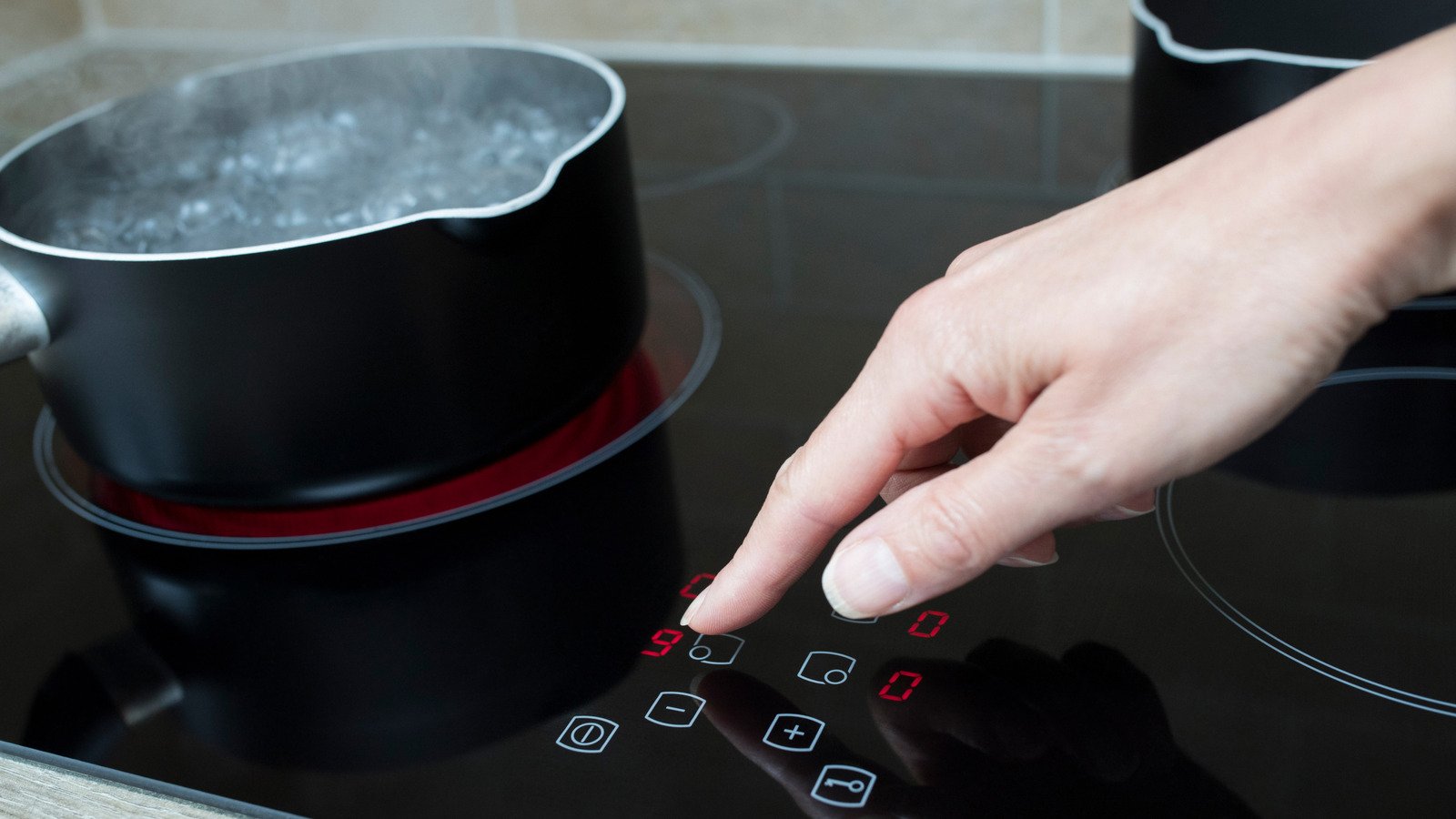
Induction stovetops represent a significant shift in kitchen technology, moving away from traditional thermal conduction found in gas and standard electric ranges toward electromagnetic energy transfer. While these appliances offer high efficiency and precise temperature control, potential buyers must weigh several functional, financial, and physiological considerations before replacing their existing cooktops.
Compatibility Constraints for Cookware
The most immediate hurdle when transitioning to an induction system is the requirement for specific materials. Because induction heating relies on the generation of an oscillating magnetic field to induce electrical currents directly into the base of the pan, the cookware must be ferromagnetic. Standard materials like copper, glass, ceramic, and high-grade aluminum will not function, rendering many existing kitchen sets incompatible.
To determine if current pots and pans are suitable, users can perform a simple test with a magnet; if the magnet adheres firmly to the base, the pan is typically compatible. Furthermore, induction technology necessitates flat-bottomed vessels to ensure consistent contact with the heating zone. Traditional round-bottomed equipment, such as carbon steel woks, lose their effectiveness on flat glass surfaces, often forcing owners to invest in entirely new, compatible cookware collections to achieve even heating.
Financial Implications and Installation
The shift to an induction range often involves costs that extend well beyond the price of the appliance itself. Induction units require a 240-volt electrical connection, which may necessitate an upgrade to home electrical wiring if the previous stove was a basic electric or gas model. This requires hiring a licensed electrician, adding to the initial project budget.
Additionally, the relative lack of market saturation for induction ranges in North America creates challenges regarding maintenance. These units are highly digitized, featuring complex circuit boards and internal sensors that differ significantly from the mechanical simplicity of gas ranges. Consequently, professional repair services for induction technology remain less available, and DIY troubleshooting is generally impractical, potentially leading to higher long-term service costs compared to traditional cooking appliances.
The Practicality of Glass Surfaces
Induction stovetops feature a sleek, tempered glass-ceramic surface that appeals to modern, minimalist design aesthetics. However, this surface presents several operational disadvantages. Modern models frequently utilize touch-sensitive controls instead of physical knobs, which can be inconsistent when the user’s hands are wet, gloved, or covered in kitchen ingredients like flour or oil.
From a durability standpoint, the glass is prone to scratching, chipping, and cracking under the weight of heavy cast-iron cookware or accidental impacts. Unlike a metal gas grate, which can withstand years of rigorous use and develop a patina, the glass surface requires frequent cleaning and careful handling to maintain its functional and aesthetic integrity. This may present an obstacle for cooks who prefer a more robust, low-maintenance environment.
The Absence of Tactile Feedback
Cooking is often a sensory process, and many professionals find that the transition to induction results in a loss of the tactile connection provided by gas flames. Observing the physical height of a flame allows for an intuitive adjustment of heat intensity, providing a visual and physical feedback loop that is difficult to replicate with digital displays.
Furthermore, because induction burners remain cool until a magnetic vessel is placed upon them, there is no inherent “warmth” to indicate an active burner, other than indicator lights or markers on the glass. This lack of a visible fire can lead to situations where a cook might inadvertently leave an induction element activated, creating a hazard where a hot pan remains on a surface that is otherwise cool to the touch.
Safety Considerations for Medical Devices
Perhaps the most critical consideration involves the interaction between electromagnetic fields and implanted medical devices. Induction technology functions by creating a high-frequency alternating magnetic field. While these fields are strictly contained by the appliance’s internal shielding, they can theoretically interfere with sensitive electronics.
The American Heart Association has noted that certain implanted medical devices, such as pacemakers and implantable cardioverter-defibrillators (ICDs), may be sensitive to electromagnetic interference. For individuals with these devices, the presence of a magnetic field—however weak or localized—requires a precautionary approach. Consulting with a physician is a standard recommendation for those considering an induction range to ensure that the proximity to the appliance remains within safe operational guidelines for their specific medical equipment. Understanding these technical and health-related nuances is essential for anyone evaluating the long-term impact of adopting induction cooking in a residential setting.
Disclaimer: This content is auto-generated for informational purposes only.
Source: Read Original News