








At the same time, Cartier has also grown in standing among watch enthusiasts and collectors, with prices for models on the secondary market gaining 8.6% in a year, according to WatchCharts.com‘s Cartier index. Auction results for vintage pieces have performed even better, with total sales of Cartier in 2025 hitting about $523 million, according to Everywatch.com, representing an impressive 43% increase from the year before.
The momentum continues as, just last month, at a record-breaking auction in Hong Kong, Sotheby’s sold a rare Cartier London Crash from 1987, believed to be just one of three examples, for $2 million, the highest price ever paid at auction for a Cartier wristwatch.
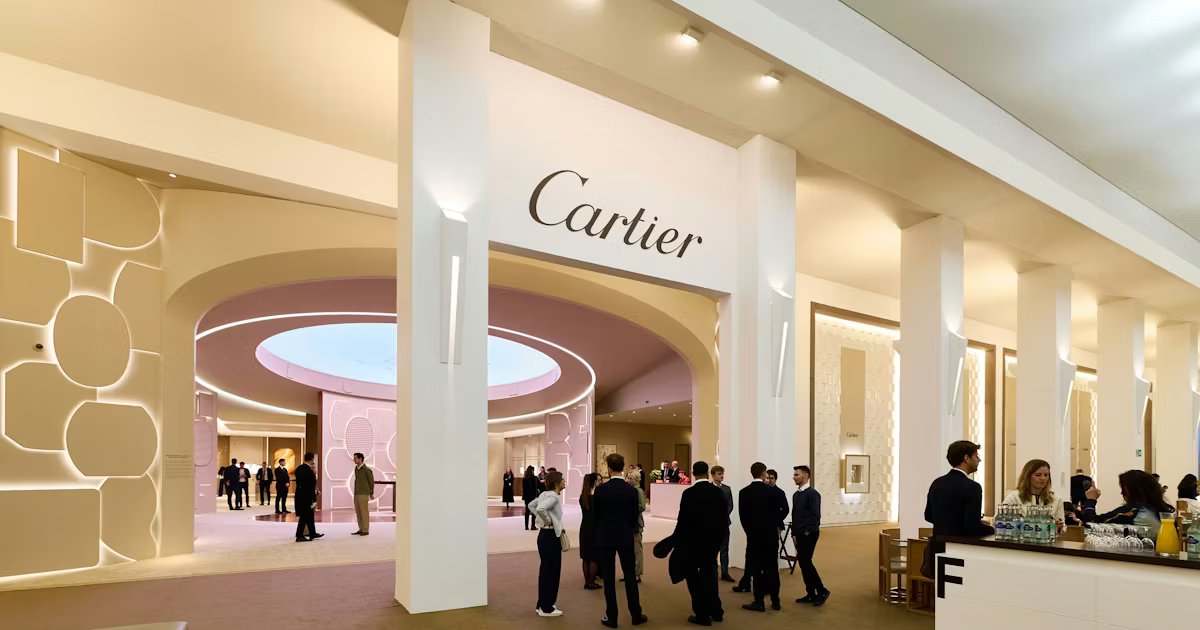
To be sure, Cartier executives haven’t confirmed that the analyst estimates are correct, but they do acknowledge the brand’s strength in both the primary and secondary markets in recent years. At a roundtable discussion at Watches and Wonders in Geneva, Chief Executive Officer Louis Ferla and long-time head of image, heritage, and style, Pierre Rainero, both said the Maison is constantly in dialogue with clients while monitoring market developments that inform its design and production decisions. That’s not to say that Cartier is reactive to short-term market shifts. It’s making decisions that it expects to play out over decades with the goal of creating icons, not fleeting trends.
“It’s in the DNA of the Maison. We are jewelers, we are watchmakers, but we are merchants as well,” said Ferla, who took over the top job at Cartier in September, 2024, after a successful seven-year run as CEO at fellow Richemont brand Vacheron Constantin that saw the celebrated Geneva watchmaker top $1 billion in sales for the first time.