






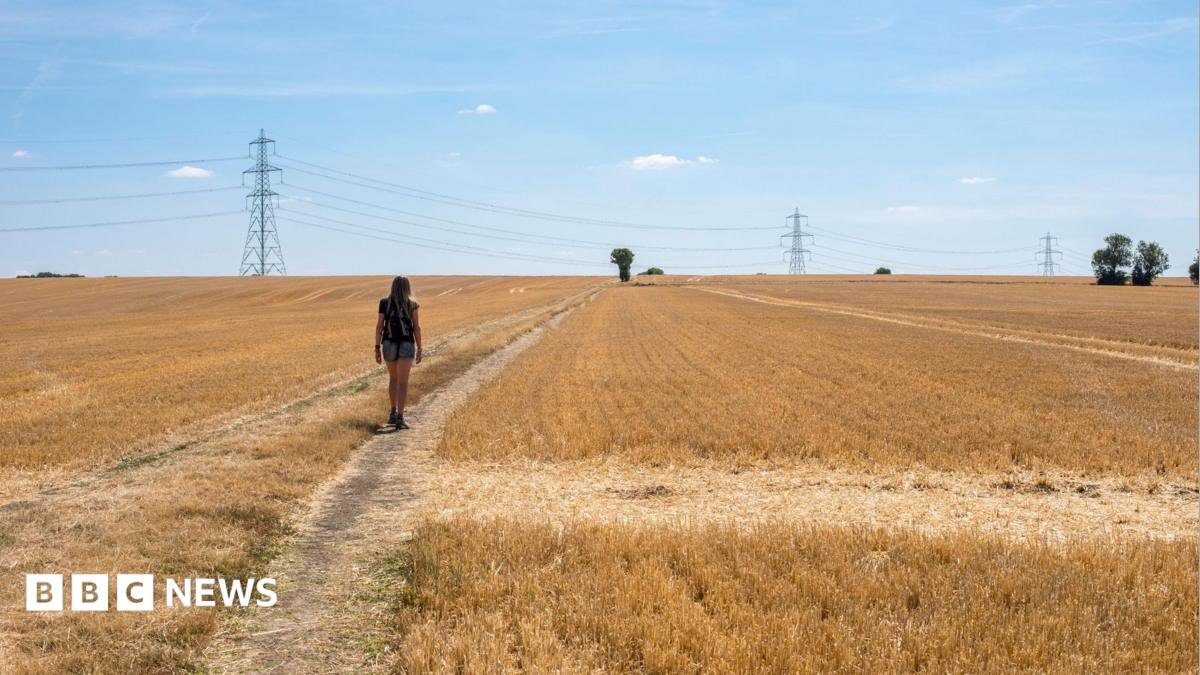
The prolonged high temperatures combined with low rainfall means water reserves have rapidly depleted, which sparked what the Environment Agency called a “flash drought,” beginning suddenly rather than over many months or years.
While droughts happen naturally, scientists say that climate change is raising the risks, with higher summer temperatures drying out soils more quickly. This can lead to more severe and longer-lasting droughts.
Multiple water companies have implemented temporary hosepipe bans across England, including Southern Water, South East Water, and Thames Water.
“We’re under water use restrictions and we keep being told that these records are breaking and we should be paying attention,” said Cloke.