







CAIRO – 8 August 2026: Nature reserves in Egypt are no longer managed as closed areas solely focused on protecting plants and animals.
The state is currently moving towards developing a new model based on achieving a balance between preserving natural resources and utilizing them sustainably. This supports ecotourism and creates economic opportunities for local communities without harming the country’s environmental wealth.
31 nature reserves represent more than 17% of the area
Egypt boasts 31 nature reserves covering more than 17% of the country’s area. These reserves, ranging from marine and desert to mountainous, are among the most important elements of biodiversity in the region, in addition to possessing significant tourism, scientific, and economic potential.
In this context, the Ministry of Local Development and Environment continues to work on implementing a vision aimed at modernizing protected area management.
This includes developing infrastructure, enhancing visitor services, improving monitoring and biodiversity conservation systems, and expanding the use of nature-based solutions, which are considered a modern trend in environmental resource management.
Dr. Manal Awad, Minister of Local Development and Environment, affirmed that the Ministry adopts a vision based on developing protected areas in parallel with developing the surrounding local communities.
This approach aims to achieve economic benefits while simultaneously preserving nature and environmental resources for future generations.
This vision is based on the understanding that the success of any protected area development plan is not limited to infrastructure development or increasing visitor numbers. It also depends on engaging the local community in the development process, creating sustainable job opportunities, and preserving the environmental identity of each protected area.
Wadi Sannur Cave Reserve in Beni Suef
Among the files the Ministry is currently focusing on is the development of the Wadi Sannur Cave Reserve in Beni Suef Governorate, given its unique geological value. An executive plan is being prepared to enhance the reserve’s efficiency and equip it in anticipation of reopening it to visitors, while preserving its distinctive natural environment.
Nabq Reserve in South Sinai
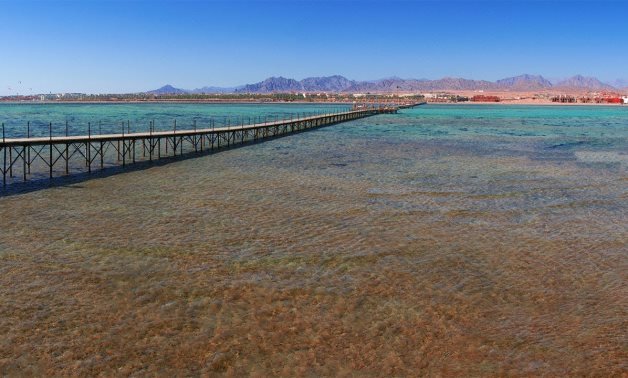
The Nabq Reserve in South Sinai stands out as a proposed model for implementing the integrated management concept. This concept combines environmental protection with the development of tourism and investment activities within a framework of clear environmental regulations.
The Nabq Protected Area is distinguished by its biodiversity, encompassing marine and desert environments, mangrove forests, coral reefs, and a vast array of plant and animal life, making it a prime location for implementing sustainable ecotourism models.
The proposed model is based on several pillars, most notably the preservation of ecosystems, the restoration of damaged areas, and the empowerment of local communities to participate in economic activities. It also aims to attract investments that adhere to environmental standards, thereby achieving long-term economic returns.
Sustainable Ecotourism
The Ministry emphasized that developing protected areas does not mean expanding investment activities at the expense of the environment. Rather, it is based on achieving a balance between the requirements of protection and development, ensuring the preservation of natural resources while maximizing their economic benefit.
Meanwhile, environmental awareness is a key focus of the development plan.
The Ministry aims to increase awareness of Egyptian nature reserves both domestically and internationally, highlighting their environmental and tourism value through informational materials and promotional videos, thereby strengthening Egypt’s position on the ecotourism map.
The Ministry is also concentrating on improving visitor services within the reserves, developing guidance systems, and enhancing the overall visitor experience, all while adhering to the specific characteristics of each reserve and fully committing to preserving ecosystems and avoiding any negative impact on them.
Dr. Manal Awad explained that developing the reserves represents an investment in the country’s natural capital. She noted that the Ministry continues to support modern models that integrate environmental protection with economic and social development, thereby enhancing Egypt’s standing in the field of sustainable ecotourism.