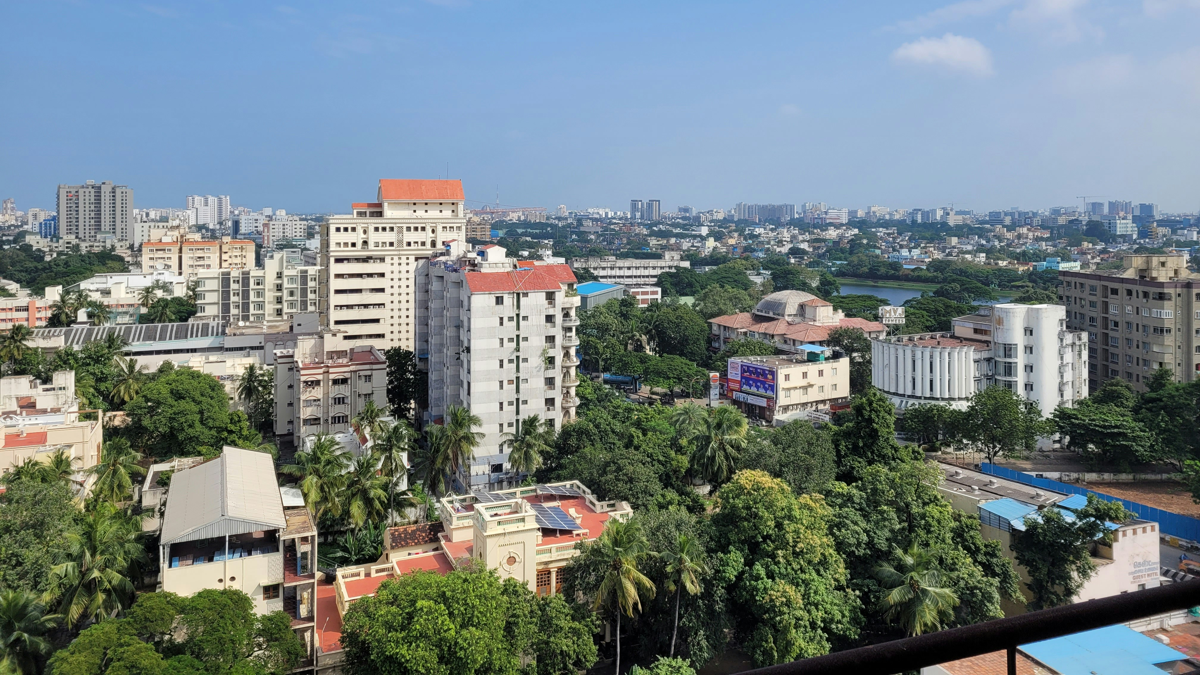







Mumbai, India
In 2016, Oscar-nominated actress Kate Winslet graced the red carpet in an exquisite, custom-tailored black Ralph Lauren gown. While her nomination for “Steve Jobs” and her attire might have captivated Western audiences, nearly 8,000 miles away in India, an entirely different aspect garnered attention.
Indian commentators were fixated on the dazzling diamonds adorning her ears.
These delicate earrings were the masterful creations of Nirav Modi, an Indian jeweler who had risen to international prominence, his name becoming synonymous with exceptional gemstones and high-profile allure far beyond his native country.
“Kate Winslet sparkled in Indian jewellery designer,” proclaimed The Times of India, a sentiment echoed by competing newspapers, all praising the striking ensemble.
This moment marked the pinnacle of Modi’s meteoric rise, from relative obscurity to a coveted presence in the wardrobes of the world’s elite. His eponymous brand attracted celebrity endorsements, and his exquisite designs graced red carpets from Hollywood to Cannes. A third-generation diamantaire, Modi cultivated the image of a contemporary mogul and a symbol of India’s burgeoning global influence.
His retail empire spanned some of the most prestigious shopping districts globally, including Madison Avenue in New York, Bond Street in London, and Canton Road in Hong Kong. With approximately a dozen boutiques worldwide and an expanding roster of celebrity advocates, Modi appeared to command the world at his feet.
However, beneath the veneer of dazzling spotlights, a starkly different narrative was unfolding. This story, yet to be chronicled in glossy fashion publications, was materializing through a complex web of alleged illicit transactions facilitated by one of India’s largest state-owned banks.
In 2018, Indian authorities accused Modi of orchestrating one of the nation’s most significant bank frauds in contemporary history.

The Central Bureau of Investigation (CBI) and the Enforcement Directorate (ED) jointly charged him with defrauding Punjab National Bank (PNB) of approximately $2 billion. Prosecutors alleged that Modi had been financing his lavish empire with borrowed capital that he had no intention of repaying.
Modi vehemently denies these accusations, asserting that his debt to the bank is considerably less. For nearly seven years, he has actively resisted extradition attempts from London, where he was apprehended in 2019, to face charges of fraud and money laundering in India. CNN has reached out to his legal representation for a statement.
Currently, India’s Foreign Ministry indicates that his remaining legal avenues are nearing exhaustion.
It appears the legal battle may soon conclude.
Modi’s origins trace back to Palanpur, a city nestled in India’s western Gujarat state, renowned as the ancestral homeland of the nation’s prominent diamond merchant class. Born in 1971, Modi inherited a rich, multi-generational legacy deeply rooted in the world of precious gems.
His grandfather, Keshavlal Modi, initiated the family’s diamond trading ventures in the 1930s, navigating the Mumbai-Singapore commercial route and establishing the bedrock of their enterprise. However, Modi’s early life was also marked by profound sorrow; at the tender age of eight, he tragically witnessed his mother’s suicide, an event later referenced by his legal team during a UK extradition appeal to highlight his struggles with depression.
Modi’s father, Deepak Modi, subsequently established his own diamond business in Antwerp. There, the Palanpuri Jains, followers of the Jain faith, played a pivotal role in transforming the city’s diamond industry from its historically Jewish roots into a thriving Indian-dominated powerhouse.
“Dinner table conversations would often revolve around diamonds and jewellery,” Modi recounted in a 2015 interview with Millionaireasia magazine.

Modi frequently expressed a desire to pursue a career as an orchestra conductor, but instead enrolled at the prestigious Wharton School at the University of Pennsylvania.
However, he soon abandoned his business studies, returning to India in 1989.
“It was a great high for my parents when I got in, and let’s say it was not such a high when I dropped out,” he quipped in a 2016 interview with CNBC.
At the age of 19, Modi commenced his professional apprenticeship under his uncle, Mehul Choksi, who was the chairman of the Gitanjali Group, then one of the world’s largest branded jewelry retailers. Headquartered in Mumbai, Gitanjali operated thousands of stores throughout India.
According to author Pavan Lall, the ambitious young entrepreneur quickly became Choksi’s “protégé.”
While the Gitanjali Group dominated the mass market jewelry sector, offering gold and diamonds across numerous brands, Modi harbored a vision for something significantly more exclusive.

He “was driven to focus on ultra-premium and be like Harry Winston or Bulgari, and focus only on diamonds,” stated Lall, author of “Flawed: The Rise and Fall of India’s Diamond Mogul Nirav Modi,” in an interview with CNN.
“His rise was in essence driven by a desire to build India’s first super-luxury diamond jewelry brand and have it go international.”
In 1999, he established Firestar Diamond (originally Firestone), a venture that supplied major retailers and global markets, thereby laying the groundwork for his eventual global success.
Brand Expansion and Global Footprint
While Antwerp, where Modi spent part of his formative years, is globally recognized as a premier diamond trading hub, another significant diamond center exists approximately 150 miles (240 kilometers) north of Mumbai, in the city of Surat. This region is responsible for cutting and polishing an estimated 90% of the world’s diamonds.
The city’s manufacturing ecosystem thrives on raw stones sourced globally, processed by tens of thousands of skilled workers, and distributed to international markets through intricate trading networks primarily centered in Mumbai. This industry, according to Anoop Mehta, president of the Bharat Diamond Bourse (which operates one of the world’s largest diamond trading exchanges), operates largely on a foundation of “trust.”
Modi emerged from this very ecosystem. Firestar operated a substantial factory within Surat’s Special Economic Zone, a duty-free enclave that facilitated the cutting, polishing, and manufacturing of jewelry specifically for export markets.

Over time, his enterprise expanded its international reach. In 2005, Modi strategically acquired the wholesale division of American jewelry firm Frederick Goldman, a move he described to CNBC as requiring “chutzpah” given that no Indian company had previously acquired a U.S. firm in the industry. This acquisition marked his significant entry into the American market.
Two years later, he further solidified his presence by purchasing Sandberg & Sikorski, another prominent jewelry supplier and vendor to the U.S. Armed Forces.
Then, in 2008, a pivotal moment arrived when a friend requested Modi to design a pair of earrings for her.
“When I saw the joy my creation brought to her, I decided that this is what I wanted to do,” he shared with Millionaireasia.
This marked the inception of the Nirav Modi brand in 2010.
India is widely acknowledged as the birthplace of diamonds, with the earliest discoveries dating back over four millennia.
For centuries, India’s royalty and rulers held these precious stones in high esteem, adorning their palaces, thrones, and crowns, and showcasing them in magnificent displays of wealth and grandeur.
However, a significant portion of these jewels were ultimately removed from India by the British during the era of colonization.
Upon gaining independence in 1947, India was a nation grappling with severe poverty, reeling from a brutal partition that claimed up to 2 million lives. Even as the country began to embrace foreign investment in the 1990s, fostering a burgeoning middle class, it continued to bear the pervasive stigma of poverty.
For many Indians, Modi’s rapid ascent symbolized India’s capability to achieve global eminence. His brand emerged as a powerful emblem of national pride and cultural influence.
A defining moment occurred in 2010 when the prestigious luxury auction house Christie’s sold one of his creations for slightly over $3.5 million.
The Golconda Lotus Necklace, featuring a 12.29-carat center stone framed by an array of white and pink diamonds, made international headlines and was prominently featured on the cover of the esteemed auction house’s catalog – a groundbreaking achievement for an Indian brand.


“It was important in demonstrating how an Indian designer could create something worth millions of dollars with the best quality and most coveted stones in the world,” explained Lall, who lauded Modi’s meticulous craftsmanship and his sourcing of the stones for the piece.
“He actually pored over years and years of Christie’s catalogs to see exactly what worked well in sales and what didn’t. Cut, color, clarity, design, value… were all taken note of before creating for the auction.”
Five years later, Modi inaugurated his first international boutique on New York’s prestigious Madison Avenue. To commemorate this milestone, he hosted a lavish grand opening at Rockefeller Center, drawing a high-profile guest list that included Donald Trump Jr. and his then-wife Vanessa Trump. Actresses Naomi Watts and Nimrat Kaur, alongside supermodel Coco Rocha, were also in attendance.
“The brand is created for a woman who wants to look spectacular every day,” Modi elaborated in a 2015 interview celebrating the store’s debut. Highlighting his Maharani diamond necklace and earring set, valued at $1.6 million and available for purchase at the boutique, he added: “These diamonds were what Indian kings and queens wore centuries ago.”
The subsequent year saw model Rosie Huntington-Whiteley fronting his Fall/Winter campaign. In 2017, actress Priyanka Chopra was appointed as the global brand ambassador – the same year Forbes estimated his net worth at an astonishing $1.8 billion.

Further stores opened in prominent global cities including London, Hong Kong, Beijing, Macau, Las Vegas, Honolulu, Kuala Lumpur, and Singapore.
Lall highlighted Modi’s New York and London boutique openings as crucial junctures. Not only did these ventures occur in prestigious locations typically accessible only to businesses with decades of establishment, “but also because he was the only Indian to do it.”
As Modi’s name adorned billboards and storefronts across the globe, whispers and inquiries began to circulate within the industry, with some questioning the origins of his considerable wealth.
Punjab National Bank (PNB), now India’s second-largest public sector bank, served as Modi’s primary financial institution for his business operations. The alleged fraudulent activities transpired at its Brady House branch, situated in Mumbai’s art district – a highly coveted area within the city’s affluent southern region. This unassuming location, a modest office with confined workspaces where employees sat behind glass partitions, became the backdrop for an alleged multi-billion-dollar scheme. It has since been repurposed as a cafe, serving organic coffee.
According to Indian investigators, specific PNB officials allegedly issued financial instruments known as Letters of Undertaking (LoUs) to companies under the control of Modi, Choksi, and their associates. These guarantees reportedly enabled them to secure credit lines from international banks, which were then utilized for diamond purchases and global business transactions.

LoUs, a trade-finance instrument specific to Indian business, acted as bank guarantees for overseas borrowing and were widely employed by importers. They were subsequently discontinued shortly after the alleged scam came to light.
Investigators contend that the scheme capitalized on a severe failure of internal controls. PNB officials purportedly issued LoUs without securing the mandatory cash collateral stipulated by banking regulations and deliberately omitted to record these transactions in the bank’s core systems. This alleged omission kept the liabilities concealed from auditors and senior management for an extended period.
In January 2018, when Modi’s associates sought new letters, a newly assigned official requested cash collateral, a demand that ultimately exposed the alleged fraud.
A month later, the news of the scandal broke, but Modi and his family were nowhere to be found.
As the scandal dominated primetime television and became front-page news nationwide, speculation surrounding Modi’s whereabouts became a story in itself. Rumors proliferated, suggesting he was either in hiding in Hong Kong, had reappeared in New York, or was living discreetly under the radar in London.
An Interpol red notice was subsequently issued for his apprehension. Domestically, Indian authorities acted decisively, seizing his assets, which included high-end vehicles, jewelry, and valuable artworks.
As CBI investigators delved deeper into the case, they arrested two PNB employees, deputy manager Gokulnath Shetty and junior clerk Manoj Kharat, for allegedly issuing the fraudulent letters.
Both individuals were arrested in February 2018 and are currently out on bail, awaiting trial. Both maintain their innocence.
CNN has sought comment from Shetty’s lawyer.
Kharat, in an interview with CNN, asserted that he was made a “scapegoat” in the case.
He hails from a middle-class family in Karjat, a mountain town approximately 60 kilometers from Mumbai. As the eldest son, he recalled being a source of immense pride for his family, who celebrated his securing what they considered a stable and prestigious banking position in the city in 2014.
“Everyone was happy with me,” Kharat stated. However, he adamantly insists that his role in the alleged multi-billion-dollar fraud was minimal.
“My work was to only enter data. That’s it. No power. No authorization. No authority.”
He added that years of legal battles, including intermittent incarceration and escalating legal fees, have inflicted a severe toll on his family.
“Financially, I’ve completely collapsed. I’m not doing anything now. I have no source of income anymore. What am I supposed to do?”
Modi was arrested in London in March 2019 at the behest of Indian authorities, over a year after the alleged fraud came to public attention. He has remained incarcerated in a London prison since then, consistently losing appeals against his extradition.
In India, officials have indicated that Modi’s eventual destination will be the historic Arthur Road Jail – Mumbai’s largest and oldest correctional facility – where he will await trial. This high-security prison is an expansive complex housing thousands of detainees, including notorious criminals, terrorists, and prominent white-collar offenders.
His uncle and former mentor, Choksi, was apprehended last year in Belgium. He is also actively contesting extradition to India, where he is anticipated to be held in the same correctional facility as his nephew. Choksi has denied multiple charges, including fraud and money laundering. CNN has reached out to his legal representatives for comment.
Santosh Srivastava, a former employee of Choksi’s and head of the India retail arm of Gitanjali Gems, informed CNN that he had harbored concerns regarding the company’s financial practices during his tenure.
He recalled meeting Modi multiple times at fashion shows and corporate events, describing him as incredibly “charismatic” and a “good negotiator” – a personality capable of commanding an entire room.
For the Indian government, the scandal became a source of political embarrassment, igniting protests from the opposition. Prime Minister Narendra Modi (no relation to Nirav Modi), who had ascended to power four years prior on an anti-corruption platform, faced intense media and public pressure to secure the extradition of the fugitive jeweler.

The affair also cast a shadow over India’s diamond industry, according to Mehta, president of the Bharat Diamond Bourse. “There were some difficult times at that time due to the banks and everything,” he stated, elaborating that businesses faced increased difficulty in securing loans.
“From the financial side, because of the reputation, the market took a hit,” he acknowledged. “But things have moved on.”
For Indian prosecutors, however, progress in their pursuit of Modi has been minimal, as the fugitive intensifies his increasingly desperate efforts to prevent his extradition to India.
His legal team contends that sending him back could expose him to “torture and ill-treatment” and exacerbate his fragile mental health, potentially rendering him unfit to stand trial.
The UK High Court dismissed his appeal, concluding that the Indian government’s assurances adequately addressed concerns regarding his prison conditions and medical care. Indian authorities affirmed that Modi would be housed in a designated section of Arthur Road Jail and would have access to specialized treatment, including care from a private doctor or mental health expert of his choosing.
After exhausting his legal options in the UK, Modi reportedly lodged an appeal with the European Court of Human Rights (ECHR), which granted him anonymity. In July, Indian media reported that this appeal was also rejected.
The ECHR, in a written statement to CNN, clarified that the court’s proceedings are generally public, with exceptions made for cases where an applicant is granted anonymity or the case file is confidential. “There is no case pending before the Court in the name of Nirav Modi. This either means that nothing is pending before the Court concerning Nirav Modi; or that anonymity has been granted,” the statement read.
For years, Modi, a man of modest stature and receding hairline, has commanded an outsized presence in the imagination of the Indian public. Despite granting interviews to international media during his phenomenal ascent, author Lall characterized him as “extremely shy.”
“For someone in such a flamboyant business, he was actually very soft-spoken,” Lall noted. “You had to strain to hear what he was saying.”
When and if he eventually arrives in India, news channels are expected to provide comprehensive, wall-to-wall coverage.
For the Indian government, his extradition would signify the long-awaited prosecution of a figure whose name has become synonymous with corruption and deceit. For many Indians, it could assuage some of the lingering public outrage stemming from the perception that the wealthy and influential can evade accountability.
“If he’s ultimately extradited it would likely be a spectacle,” Lall predicted.
For Modi, a man who aspired to achieve international recognition in the diamond trade, it will mark a return home. However, it will undoubtedly be a homecoming far removed from his ambitions.