








Indigenous Voices: Unpacking the Nuances of Local Conservation and Climate Solutions
Global Indigenous leaders emphasize the critical role of community-led, culturally-aligned strategies in safeguarding biodiversity and tackling climate change, highlighting both successes and persistent systemic hurdles.
FOR IMMEDIATE RELEASE
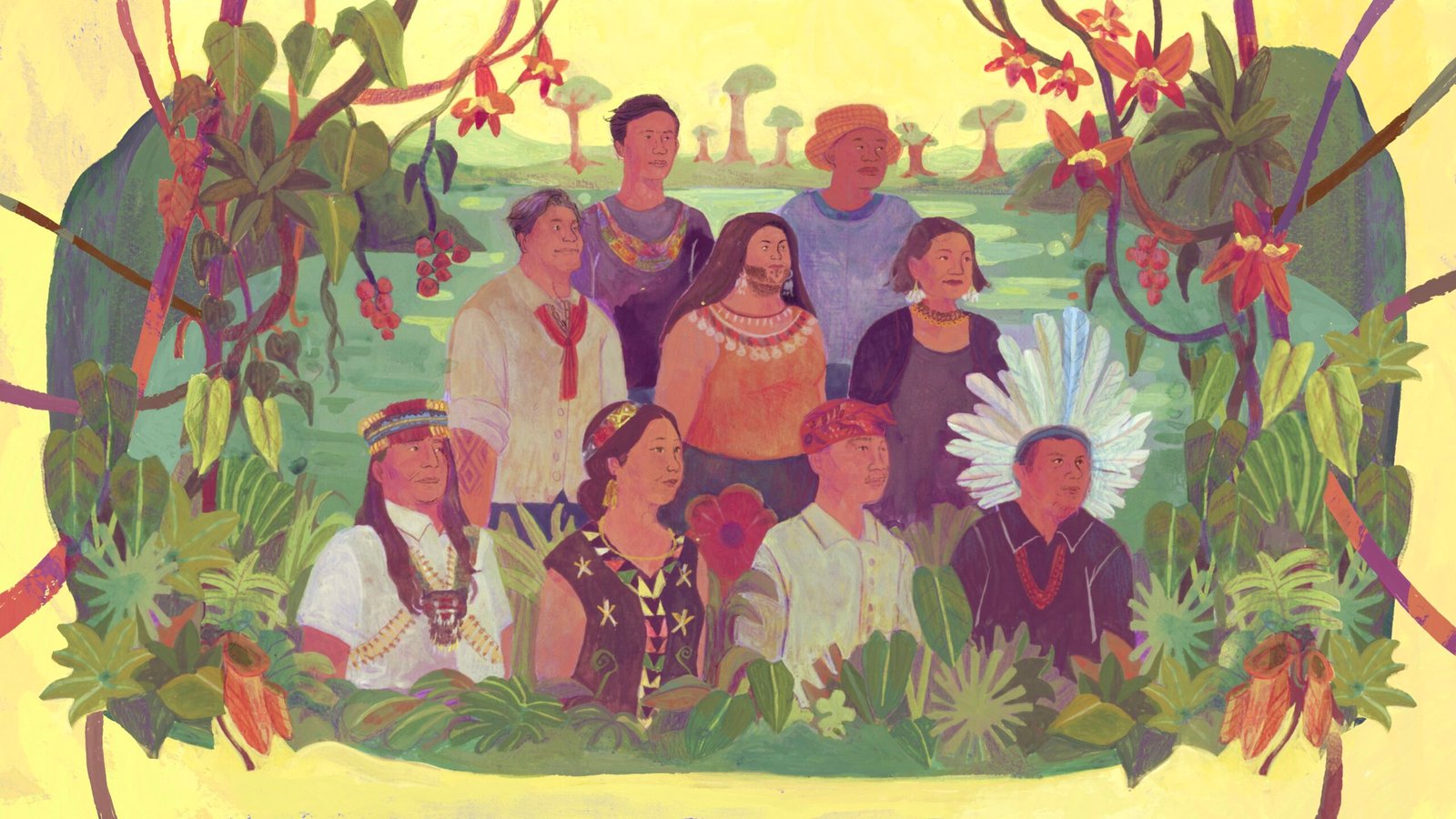
[City, State] – August 9, 2024 – As the world marks the International Day of the World’s Indigenous Peoples, a new series of interviews conducted by Mongabay sheds light on the intricate and often overlooked complexities of biodiversity conservation and climate solutions implemented by Indigenous communities worldwide. From the Peruvian Amazon to the Malaysian Borneo and the Democratic Republic of Congo, nine Indigenous representatives reveal that while their deep-rooted traditional knowledge offers potent pathways to ecological stewardship, external interventions frequently falter due to a profound lack of local input and cultural understanding.
The interviews, published today, underscore a critical message: effective environmental solutions are not one-size-fits-all. They require genuine recognition of Indigenous rights, robust community governance, and financing mechanisms that are Indigenous-led and culturally relevant.
Eriberto Guerra, an Indigenous farmer in the Peruvian Amazon, perfectly encapsulates this sentiment. With a chuckle, he dismisses the term "agroforestry" as inadequate for his thriving, biodiverse forest garden. "They promoted growing just one or two other food crops with some trees," Guerra tells Mongabay. "But you need to plant dozens of species along with traditional plants… This is what is working." His diverse system, sustained for a decade, demonstrates the efficacy of nuanced, locally-adapted approaches.
Mongabay’s extensive discussions with leaders like Jenifer Lasimbang (Indigenous Peoples of Asia Solidarity – IPAS, Malaysia), Juan Carlos Jintiach (Global Alliance of Territorial Communities – GATC, Ecuador), Olo Villalaz (Guna General Congress, Panama), João Victor Pankararu (APOINME, Brazil), Abdi Akbar (Indigenous Peoples’ Alliance of the Archipelago – AMAN, Indonesia), Sara Omi Casama (Mesoamerican Alliance of Peoples and Forests – AMPB, Panama), Joseph Itongwa Mukumo (REPALEF, DRC), Toya Manchineri (COIAB, Brazil-Peru border), and Valéria Paye (Podáali Fund, Brazil) reveal a spectrum of working solutions and recurrent pitfalls.
Successful Strategies: Rooted in Tradition and Community
Common threads among successful initiatives include:
- Traditional Knowledge Systems: The Tagal system in Malaysian Borneo, which zones rivers for sustainable harvesting and protection, is a prime example. Similarly, traditional water storage and resource protection practices are vital in Brazil’s irregular rainy seasons, as highlighted by João Victor Pankararu.
- Indigenous Governance and Tenure Security: Leaders consistently emphasize the need for legal recognition of Indigenous territories and customary laws. Toya Manchineri notes that over 100 million hectares of Indigenous territories in the Brazilian Amazon have significantly lower deforestation rates compared to external areas, proving their effectiveness.
- Community-Led Monitoring: From using drones and new technologies for surveillance in Mesoamerica, as detailed by Olo Villalaz, to Ecuador’s Nunka pénker iisar initiative for understanding and monitoring ecosystems, Indigenous communities are actively collecting data to protect their lands.
- Cultural Revitalization: Abdi Akbar stresses that rehabilitation isn’t just physical; it’s about restoring mindsets. Indigenous schools play a crucial role in passing down values, traditions, and knowledge to younger generations, ensuring long-term stewardship.
- Holistic Approaches: Eriberto Guerra’s "forest garden" and Juan Carlos Jintiach’s chakra agricultural system illustrate how Indigenous practices integrate medicine, food, economy, knowledge, and spirituality, offering a comprehensive model for sustainability.
Challenges and Failures: The Impact of External Impositions
Conversely, interviewees identified numerous reasons why conservation and climate solutions fail:
- Lack of Consultation and Understanding: Jenifer Lasimbang points out that "top-down conservation concepts continue to be imposed on us and our lands." This was starkly evident in the Sabah Nature Conservation Agreement, a carbon deal implemented without Indigenous consultation. Sara Omi Casama reinforces this, stating that projects "designed from above, from outside the territory," often weaken collective spirit and fail to consider local realities.
- Misaligned Metrics and Short-Term Funding: Olo Villalaz notes that external organizations often measure success over short periods, failing to appreciate the long-term, intergenerational goals of Indigenous practices, such as the preservation of medicinal plants. Short-term financing further exacerbates this issue, leaving communities vulnerable.
- Bureaucracy and Mistrust: Excessive bureaucracy and a lack of trust in Indigenous organizations’ administrative capacities hinder effective collaboration and access to funding, according to Olo Villalaz.
- Disregard for Indigenous Rights: Joseph Itongwa Mukumo highlights how, despite legal frameworks, Indigenous peoples in the DRC still face exploitation without free, prior, and informed consent. Abdi Akbar criticizes rigid conservation models that restrict Indigenous access to their ancestral territories, severing vital human-nature connections.
- Divisive and Exploitative Projects: Toya Manchineri recounts how past initiatives like coffee planting, disconnected from community knowledge, and hydroelectric projects, which caused pollution and divided communities, ultimately failed. João Victor Pankararu describes how large-scale "renewable energy" projects, implemented without consultation, have privatized lands and denied communities access to vital resources.
- External Threats and Lack of State Support: Valéria Paye underscores the increasing violence, drug trafficking, and organized crime impacting Indigenous territories, particularly in the Amazon. She laments the state’s failure to monitor and enforce protections, shifting responsibility onto Indigenous communities who are on the front lines of defense.
Moving Forward: A Call for Recognition and Collaboration
The overwhelming consensus among Indigenous leaders is a call for genuine partnership and respect. Juan Carlos Jintiach advocates for translating global policies into culturally resonant terms and fostering dialogue between different worldviews. Jenifer Lasimbang emphasizes "recognition" as the biggest factor for success, encompassing land tenure, identity, and ways of life.
The interviews collectively argue that true progress in conservation and climate action hinges on empowering Indigenous peoples, recognizing their invaluable knowledge and practices, and integrating their solutions into broader environmental strategies. Without this fundamental shift, external interventions will continue to fall short, undermining both ecological health and the well-being of the world’s most effective environmental stewards.
###