








New Zealand has officially aligned itself with the Climate Resilient Coral Reef Commitment, marking a significant step in the international effort to protect marine ecosystems that are increasingly threatened by global climate change. By joining this coalition, New Zealand has pledged to focus on the mobilization of financing and the expansion of capacity-building initiatives, placing a specific emphasis on the role of Indigenous knowledge, community-led stewardship, and technology transfer in the Pacific region.
The Commitment serves as the inaugural global political pledge specifically dedicated to safeguarding climate-resilient coral reefs. These reefs, identified through rigorous scientific analysis, are those possessing a greater biological capacity to withstand warming oceans and ocean acidification, serving as potential anchors for wider marine recovery. Under the terms of the agreement, signatory nations commit to integrating reef protection into national biodiversity and climate agendas, reducing local stressors such as overfishing and pollution, and establishing transparent systems for tracking and reporting conservation progress.
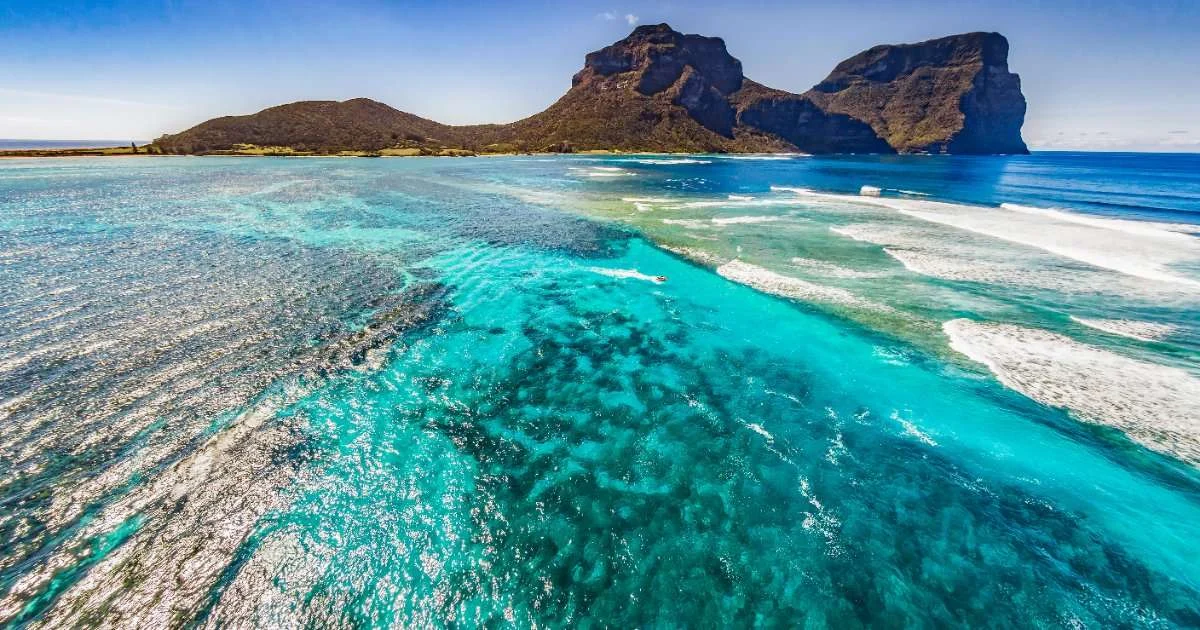
For the Pacific, the health of coral reefs is not merely an environmental concern but a foundational pillar of regional survival. The Pacific region accounts for approximately 26.2 percent of the world’s total reef area, covering over 65,000 square kilometers. These ecosystems are essential for food security, coastal protection against increasingly volatile storm surges, and the maintenance of deep-seated cultural traditions.
“Healthy coral reefs are vital to the Pacific,” said New Zealand’s Minister of Climate Change, Hon Simon Watts. “Through our partnership with the Global Fund for Coral Reefs, we are mobilizing investment that strengthens reef resilience, supports sustainable businesses, and delivers benefits for local communities.”
A primary hurdle for many reef-holding nations, particularly Small Island Developing States (SIDS), is the lack of long-term, predictable financing. While political will is often high, the implementation of large-scale conservation projects is frequently stymied by a reliance on short-term grant cycles that lack the longevity required for meaningful ecological recovery. New Zealand’s focus on capacity-building and technology transfer is designed to address this implementation gap, providing the technical infrastructure needed to ensure that conservation efforts can endure beyond initial funding periods.
New Zealand’s participation bolsters a growing regional consensus, joining an expanding list of Pacific partners including Australia, Fiji, Palau, Papua New Guinea, the Solomon Islands, Tonga, Vanuatu, the Federated States of Micronesia, and French Polynesia. This regional unity is essential for the management of the Pacific’s vast and interconnected marine environments.
The move comes at a pivotal time as global stakeholders prepare for COP31 in Antalya. By prioritizing equitable, inclusive, and science-led solutions, New Zealand is signaling that it views coral reef protection as a core element of its international climate strategy. The focus on traditional and Indigenous knowledge is particularly noteworthy, as it acknowledges that the most effective conservation practices often stem from the local communities who have acted as stewards of these reefs for generations.
As the international community pivots toward more aggressive climate action, the success of the Climate Resilient Coral Reef Commitment will depend on its ability to translate political promises into tangible, on-the-ground outcomes. For New Zealand, the commitment is an extension of its long-standing role as a regional partner. By bridging the divide between high-level policy and local community requirements, the initiative aims to build a robust framework that can sustain one of the planet’s most vital and vulnerable ecosystems in the face of an uncertain climate future.
Disclaimer: This content is auto-generated for informational purposes only.
Source: Read Original News