








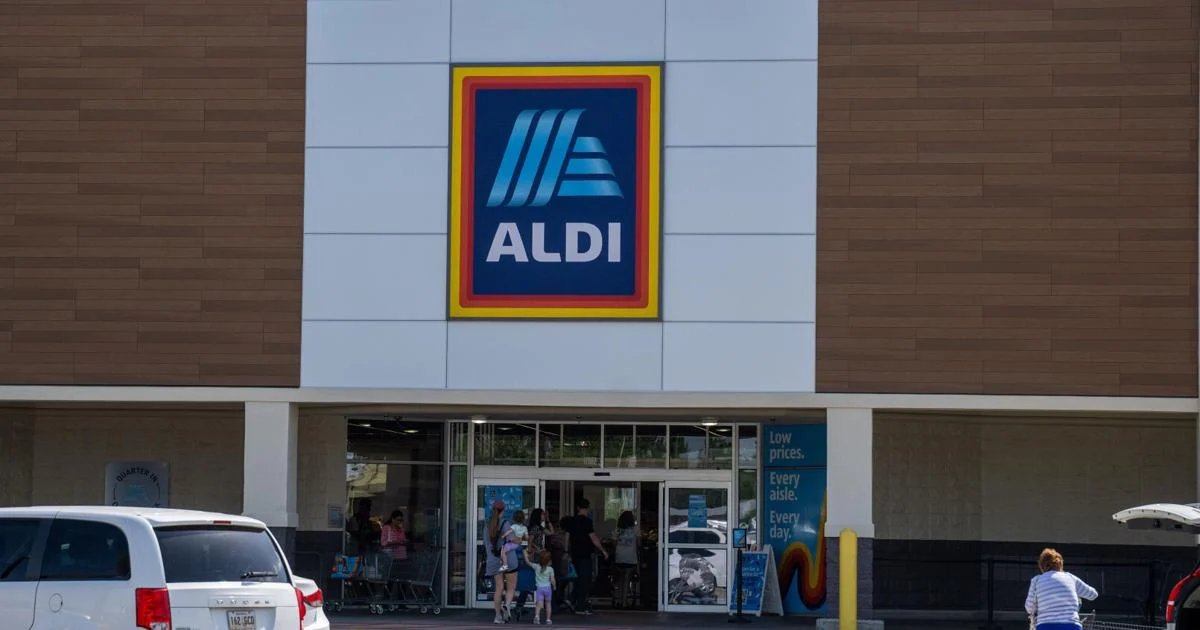
METAIRIE, La. — The retail landscape along Veterans Memorial Boulevard has undergone a significant transformation this week as the German-born discount grocery giant Aldi officially opened its newest location at 215 Veterans Blvd. The store, which occupies the real estate formerly held by a Winn-Dixie, marks a continued aggressive expansion for the company as it seeks to reshape the supermarket industry through data-driven logistics and high-efficiency operations.
This latest opening serves as the third Aldi location within Metairie and represents the 33rd store for the brand in Louisiana, with 28 of those situated across the southeast portion of the state.
A Strategy Powered by Scale and Analytics
Aldi’s rapid footprint growth is not merely a matter of traditional real estate acquisition; it is a calculated effort supported by modern retail technology and predictive analytics. As the company pushes toward its goal of opening 180 new stores nationwide by the end of this year, it is leveraging sophisticated supply chain software to minimize overhead. By streamlining its inventory and focusing on private-label goods, Aldi utilizes a business model that relies on automated restocking protocols and AI-driven demand forecasting, allowing the retailer to maintain lower prices compared to traditional legacy competitors.
In the digital era, the competition for the grocery dollar has moved far beyond the physical shelf. As Aldi scales its presence, it is competing against a digital ecosystem where major retailers use machine learning to track consumer habits and price sensitivity. While Aldi remains known for its “no-frills” in-store experience, the company is increasingly integrating smart tech into its backend operations, ensuring that the transition from a traditional Winn-Dixie floor plan to an Aldi format is as operationally efficient as possible.
The Great Grocery Realignment in New Orleans
The arrival of the new Metairie Aldi is part of a broader, systemic shift in the New Orleans grocery market. In 2024, Aldi finalized an agreement to acquire hundreds of Winn-Dixie locations, a move that is effectively repurposing existing infrastructure to accommodate a modern, high-volume retail model. Nearly 80 of the new nationwide Aldi openings will be “conversions,” breathing new life into older storefronts that struggled to adapt to modern consumer demands.
This period of consolidation has seen significant turnover in the region. Beyond the Aldi-Winn-Dixie transition, the market has seen iconic brands like Langenstein’s selling locations to Robert Fresh Market, and regional powerhouses like Rouses Markets acquiring a significant portfolio of former Winn-Dixie sites. These changes reflect a larger trend in the U.S. grocery sector, where the pressure to integrate e-commerce, digital loyalty programs, and automated inventory systems has pushed independent or legacy grocers to either consolidate or exit the market entirely.
Technological Resilience in Modern Retail
For local shoppers in Metairie, the opening represents more than just a new place to purchase groceries; it highlights the resilience required to thrive in a tech-centric retail environment. As traditional grocery stores face mounting pressure from digital delivery platforms and AI-driven grocery assistants, successful brick-and-mortar operations are those that successfully merge physical convenience with optimized backend performance.
Aldi’s expansion into the space at 215 Veterans Blvd—along with its existing locations at 5901 Airline Dr. and 8855 Veterans Memorial Blvd—demonstrates a commitment to density. By clustering stores, the company optimizes its distribution logistics, ensuring that its proprietary fleet management software can maintain consistent stock levels with minimal carbon impact.
As the retail sector continues to be influenced by advancements in AI and automated logistical planning, the transformation of this specific Metairie property serves as a microcosm of the industry at large. Consumers in the region can expect the landscape to remain fluid as retailers continue to invest in the data infrastructure necessary to stay competitive in a post-pandemic economy.
Disclaimer: This content is auto-generated for informational purposes only.
Source: Read Original News