








How Gen Z Changed Bollywood’s Narrative After the CJP Protest Victory and Dharmendra Pradhan’s Exit
From being labelled the “reel generation” to being hailed as history makers, Gen Z has completely changed the national conversation. Following the CJP protest victory and Dharmendra Pradhan’s resignation over the NEET paper leak controversy, Bollywood celebrities including Alia Bhatt, Sonakshi Sinha, Dia Mirza, Priyanka Chopra, Prakash Raj and others celebrated the youth movement. This video also explores how PM Narendra Modi’s evolving Instagram Reels strategy reflects a changing approach to communicating with India’s youngest generation.
3.1K views | 12 days ago
Gen Z: From “Reel Generation” to Real Impact
In a dramatic shift, India’s Gen Z, once largely dismissed as the “reel generation” engrossed in digital entertainment, has emphatically rewritten its narrative, emerging as a potent force for change. Recent events, particularly the resounding CJP protest victory and the subsequent resignation of Dharmendra Pradhan amidst the NEET paper leak controversy, have catapulted this demographic into the national spotlight, solidifying their role as history makers.
The collective power of youth activism, amplified by digital platforms, proved instrumental in these pivotal moments. The CJP protest victory, though specifics are not detailed, undoubtedly showcased the ability of young people to mobilize, organize, and demand accountability. This triumph served as a powerful precursor to the widespread outrage ignited by the NEET paper leak, an incident that directly impacted the aspirations of countless students.
Bollywood’s Embrace: Acknowledging Youth’s Power
The reverberations of these events were felt deeply within India’s cultural landscape, particularly in Bollywood. Once perceived as a distant, often escapist industry, Bollywood celebrities have increasingly aligned themselves with social and political discourse, especially when it concerns the youth. The recent youth movement, culminating in the significant political ramifications, saw a remarkable outpouring of support from prominent figures.
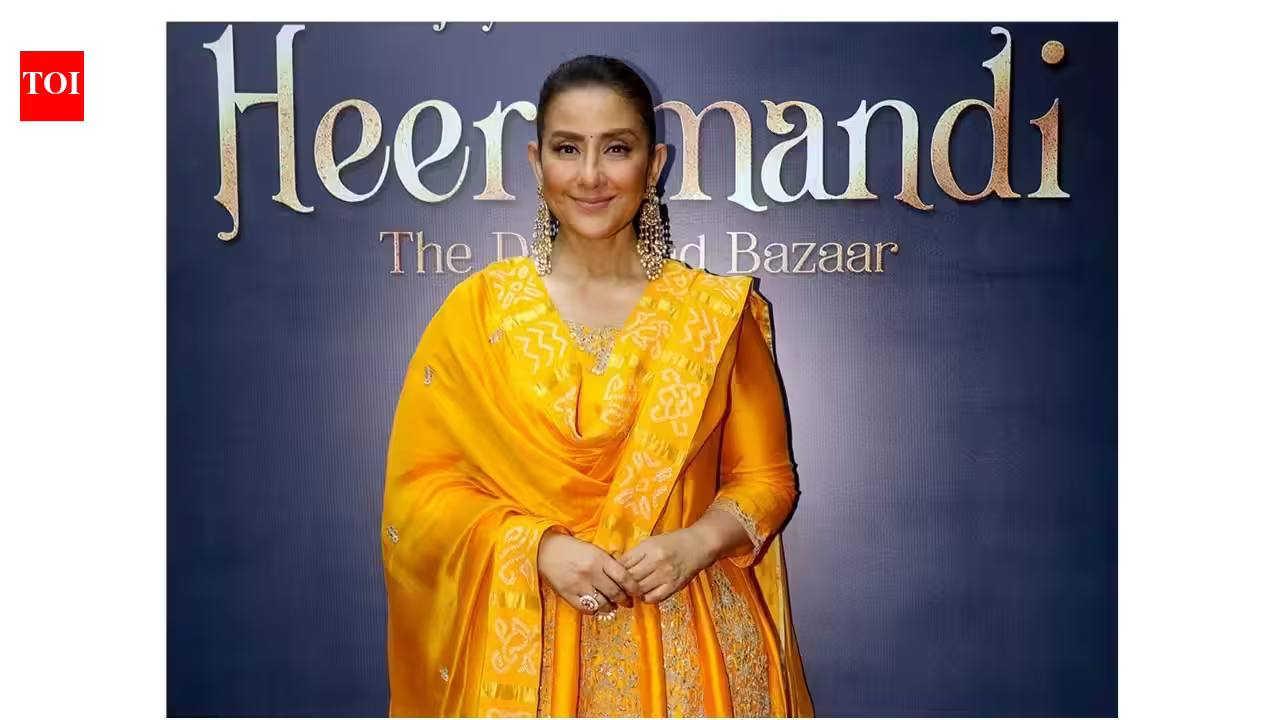
High-profile names such as Alia Bhatt, Sonakshi Sinha, Dia Mirza, Priyanka Chopra, and Prakash Raj were among those who publicly celebrated the youth’s activism. Their endorsements, often shared across their vast social media followings, served not only to validate the movement but also to significantly amplify its reach and legitimacy. This celebrity embrace marks a crucial turning point, signaling a recognition within the entertainment industry of Gen Z’s growing influence and their capacity to shape national conversations. It underscores a shift from mere observation to active acknowledgement and celebration of youth agency.
Dharmendra Pradhan’s Exit and the Demand for Accountability
The resignation of Dharmendra Pradhan, then a prominent figure in the government, in the wake of the NEET paper leak controversy, stands as a testament to the undeniable pressure exerted by Gen Z and their allies. The NEET incident, which threatened to derail the academic futures of millions, sparked a nationwide outcry, with young people at its forefront demanding transparency and justice. The swift and decisive action of a high-ranking official stepping down in response to public pressure, largely driven by youth, is a powerful precedent.
This event has underscored a crucial lesson: that Gen Z is not merely concerned with digital trends but deeply invested in the integrity of national institutions and the fairness of systems that directly impact their lives and futures. Their ability to galvanize public opinion and hold powerful figures accountable marks a significant evolution in India’s political and social landscape.
PM Modi’s Shifting Strategy: Adapting to the Gen Z Landscape
The profound impact of Gen Z has not gone unnoticed by political leaders. The article highlights an intriguing observation: Prime Minister Narendra Modi’s evolving Instagram Reels strategy. Historically, political communication in India has often relied on more traditional media. However, the rise of short-form video content platforms, primarily populated by Gen Z, has necessitated a strategic rethink.
PM Modi’s adaptation to this digital format suggests a conscious effort to engage with India’s youngest generation on their terms. This shift is not merely about presence but about adopting the visual language and engagement patterns native to platforms like Instagram Reels. It reflects an understanding that effective communication with Gen Z requires authenticity, brevity, and a keen awareness of digital trends. This strategic pivot by a prominent political figure further illustrates the undeniable influence Gen Z now wields in shaping public discourse and the strategies employed to connect with them.
The New National Conversation
The confluence of the CJP protest victory, Dharmendra Pradhan’s resignation, and Bollywood’s unified support for youth movements, all underscored by PM Modi’s digital strategy adjustments, paints a vivid picture of a transforming India. Gen Z is no longer a passive demographic to be marketed to; they are active participants, critical thinkers, and powerful agents of change. Their ability to harness digital tools for collective action has fundamentally altered the power dynamics, creating a new national conversation where their voices are not just heard, but are instrumental in shaping policy and public opinion. The “reel generation” has indeed become the real generation of influence.