








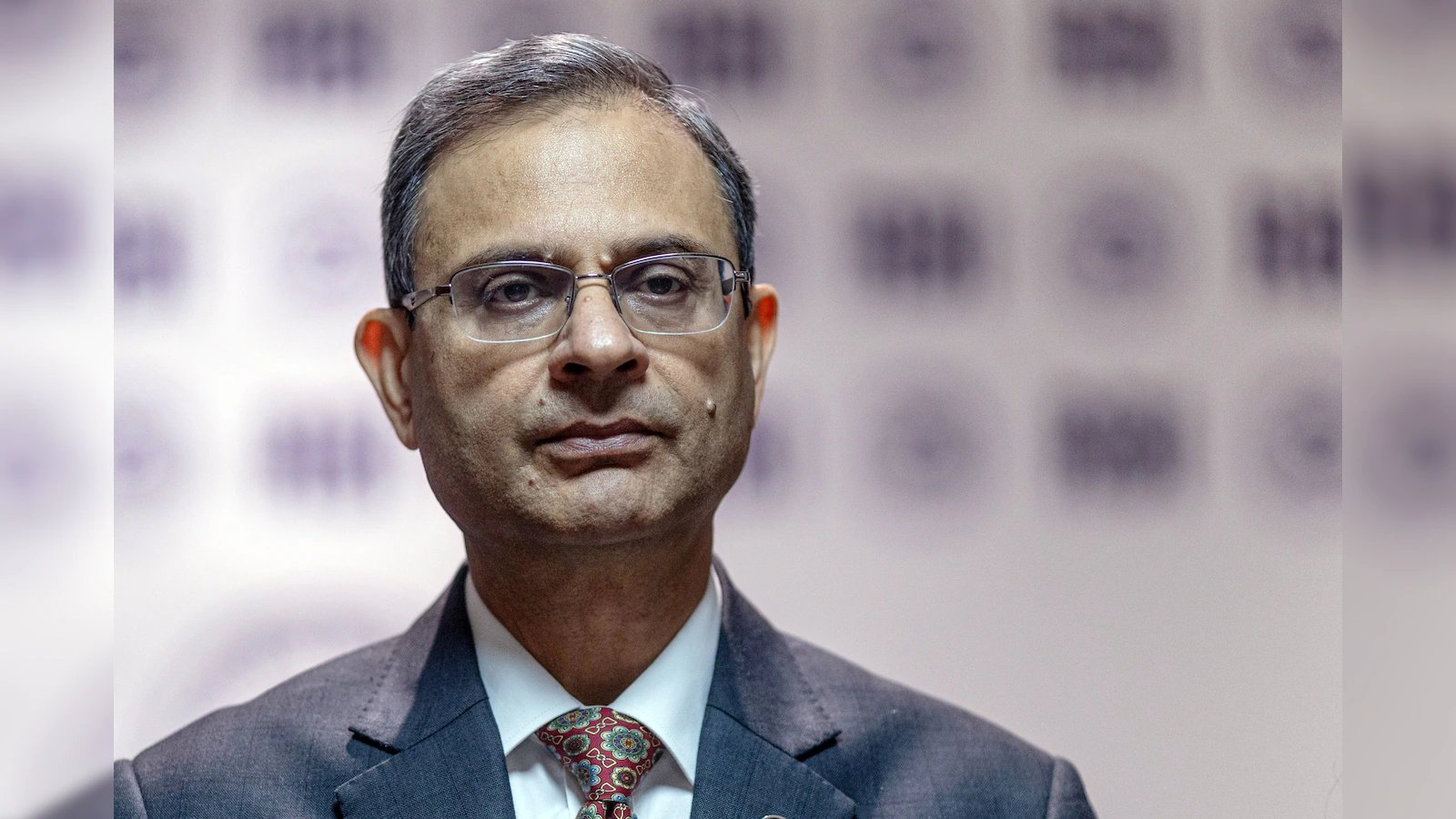
The Reserve Bank of India (RBI) has issued a stern signal to the financial markets, warning that it stands ready to deploy additional measures to curb speculative activities currently pressuring the rupee. RBI Governor Sanjay Malhotra, speaking in a recent interview, emphasized that the central bank’s primary mandate remains the maintenance of an orderly foreign exchange market, dismissing claims that recent policy shifts amount to draconian capital controls.
As the central bank navigates a complex global landscape defined by shifting geopolitical headwinds and high-interest rate environments, its focus has shifted toward curbing non-essential, speculative bets that exacerbate currency volatility.
## Tackling Speculative Overhang
Governor Malhotra highlighted a troubling trend observed by central bank monitors: a significant surge in high-frequency trading where currency trades are being canceled and rebooked within the same business day. In some instances, as much as one-third of total daily trade volumes have been liquidated, suggesting that market participants are attempting to game the currency rather than utilizing it for genuine hedging purposes.
The RBI’s recent defensive actions—including broader restrictions on derivatives and the establishment of a dedicated dollar window for oil companies—are designed to purge this speculative noise. These interventions, coupled with an aggressive 25-basis-point hike in the benchmark repurchase rate, serve as a multi-pronged strategy to fortify the rupee against external fund outflows.
## The Intersection of Financial Stability and Tech Analytics
The scrutiny of these high-frequency trading patterns underscores the growing role of advanced data analytics in financial regulation. While the RBI uses traditional monetary levers, the ability to identify systemic risks in real-time is increasingly dependent on the digital infrastructure that monitors market integrity.
In the broader technology sector, the demand for sophisticated data analysts has reached an inflection point. As financial institutions and central banks rely on increasingly complex algorithmic models to track speculative behavior, professionals who can synthesize these large datasets are finding their skill sets in high demand. Even as the tech industry faces intermittent cycles of workforce restructuring, those with expertise in predictive modeling and real-time data monitoring are proving essential to maintaining the “financial stability” that Governor Malhotra described as the cornerstone of India’s economic health.
## Economic Fundamentals vs. Market Sentiment
Despite the current volatility, the RBI remains optimistic about the underlying trajectory of the Indian economy. Governor Malhotra noted that the external challenges currently facing the nation should not overshadow the reality of robust corporate earnings and healthy bank balance sheets.
The central bank believes the current bearish sentiment in the forex market is “unduly pessimistic” and fails to account for the structural strengths of the Indian economy. As the RBI monitors geopolitical risks—ranging from conflict-driven oil price fluctuations to global inflationary pressures—it remains committed to maintaining a equilibrium that protects the rupee without stifling economic growth.
For now, the message from Mumbai is clear: the RBI is prepared to act decisively to ensure that the forex market functions as a tool for economic progress, not a platform for speculative excess. By balancing monetary policy with strict oversight of derivative transactions, the central bank aims to guide the rupee toward a more stable footing in an increasingly uncertain global landscape. Finance Minister Nirmala Sitharaman has echoed this sentiment, confirming that the government and the central bank are in lockstep regarding the necessity of stabilizing the rupee to ensure long-term, sustainable development.
Disclaimer: This content is auto-generated for informational purposes only.
Source: Read Original News